Alishan High-Mountain Oolong
台湾阿里山高山乌龙
Alishan Highlands (Shizhuo, Xiding, Ruili; 1,000–1,600 m), Chiayi, Taiwan
92–95°C
1:18 (approx. 7 g per 130–150 ml)
45 s first steep to unfurl tight pearls; 30 s second steep
White porcelain gaiwan or round teapot giving room to unfurl (6–8)
History & Provenance
Pioneered in the 1970s as growers pushed Qingxin Oolong and Jin Xuan cultivars above 1,000 meters into cloud-wrapped slopes, Alishan High-Mountain Oolong defined modern Taiwan tea through light oxidation, minimal roasting, and bright floral-creamy clarity.
Cultivar & Raw Leaf
Hand-picked high-altitude one-bud-two-to-three-leaf shoots of Qingxin Oolong or Jin Xuan (TTES #12).
Processing Craft
Brief sun and indoor withering precede gentle bruising to a light 15%–20% oxidation; fixation locks delicate aromatics before multi-round cloth-ball rolling into emerald pearls and gentle low-heat drying.
Dry Leaf Appearance
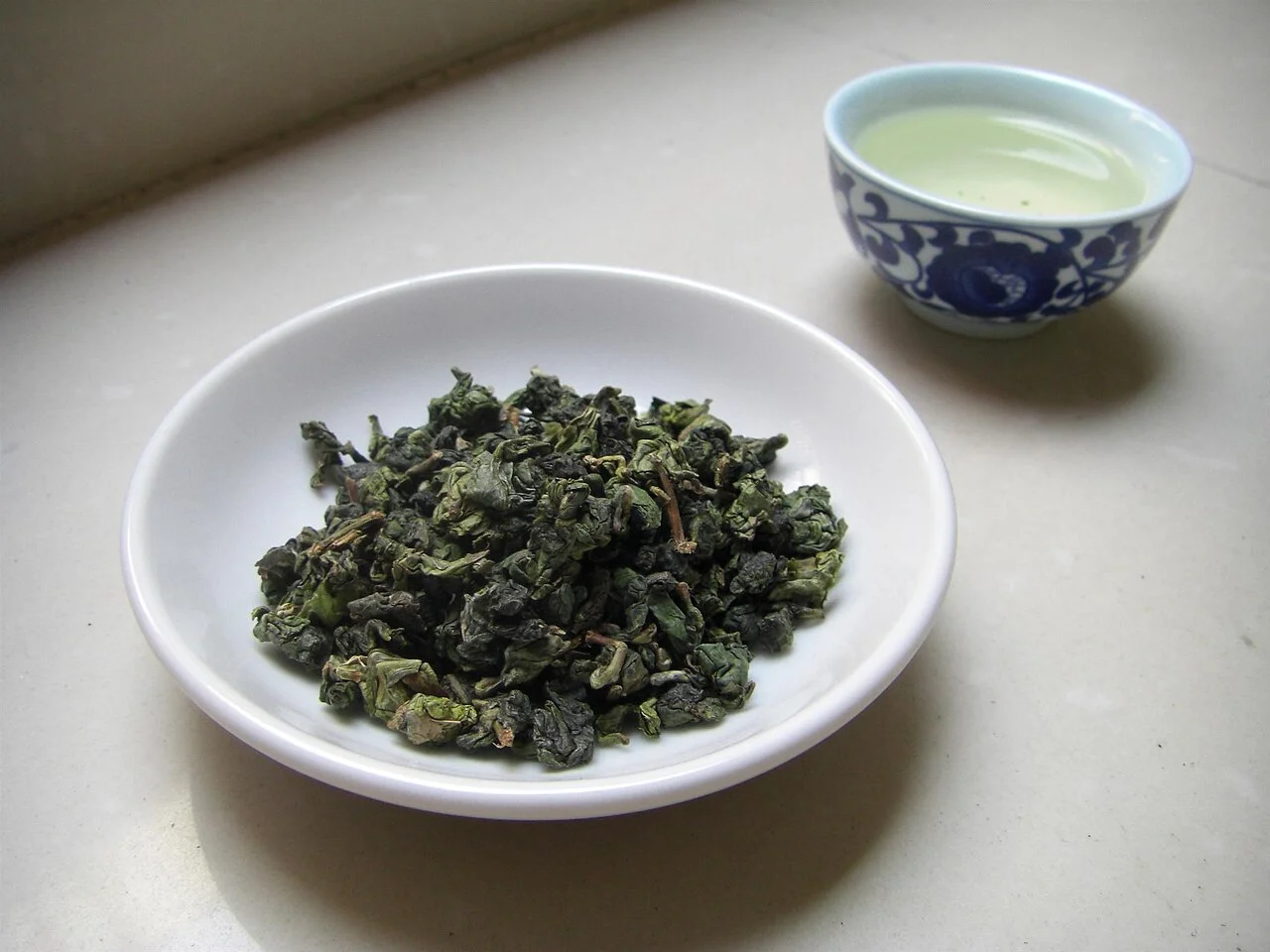
Dense, glossy, jade-emerald rolled hemispheres.
Brewed Liquor Color
Luminous pale golden-jade, sparkling clear.
Aroma & Palate Profile
Buoyant white magnolia, gardenia blossom, crisp mountain air, and subtle sweet-cream lift. — Silky, sweet, and remarkably refreshing—highland pectin gives soft, coating broth with zero harshness.
Practical Buyer & Drinker Guide
Price Benchmarks, Authenticity Tips & Storage
Reference Price Range
Approachable lots ~$35–$75/500g; hand-picked winter/spring Qingxin lots ~$100–$240/500g
Authenticity & Buying Tips
Buy current-year vacuum-sealed spring or winter lots; real Jin Xuan offers only a faint natural creaminess—heavy confectionery vanilla signals added flavoring.
Home Storage Advice
Keep unopened vacuum packs cool; once opened, enjoy within 2–3 months while floral notes are brightest.
Related Teas in This Category
Unmistakable high-note orchid perfume ('Guanyin rhyme'), deepening to caramelized stone fruit and toasted grain when roasted.
Layered charcoal-toast cacao, dried stone fruit, and spiced orchid over wet-stone minerality.
Explosively aromatic: intoxicating gardenia, ripe white peach, honeysuckle, or baked sweet-potato honey depending on the clone.
Verified References & Provenance
- [01] 1979Source
Chen Chuan's Six-Category Tea Classification (1979) & Camellia sinensis Phylogeography
Chen Chuan (1979) / Chen Zongmao (ed., China Tea Classic)
Chen Chuan (1979) established the modern scientific taxonomy of six tea families based on processing mechanisms (enzyme inactivation, withering, yellowing, semi-oxidation, full oxidation, microbial piling) rather than linear fermentation; Chen Zongmao's China Tea Classic synthesizes modern agronomy and tea chemistry.
- [02] 2022Source
Traditional tea processing techniques and associated social practices in China
UNESCO Intangible Cultural Heritage · Nomination File No. 01884
Inscribed in 2022; documents the six core Chinese tea categories, reprocessed teas, and their embedded social rituals across 44 national heritage items.