01 · Green Tea
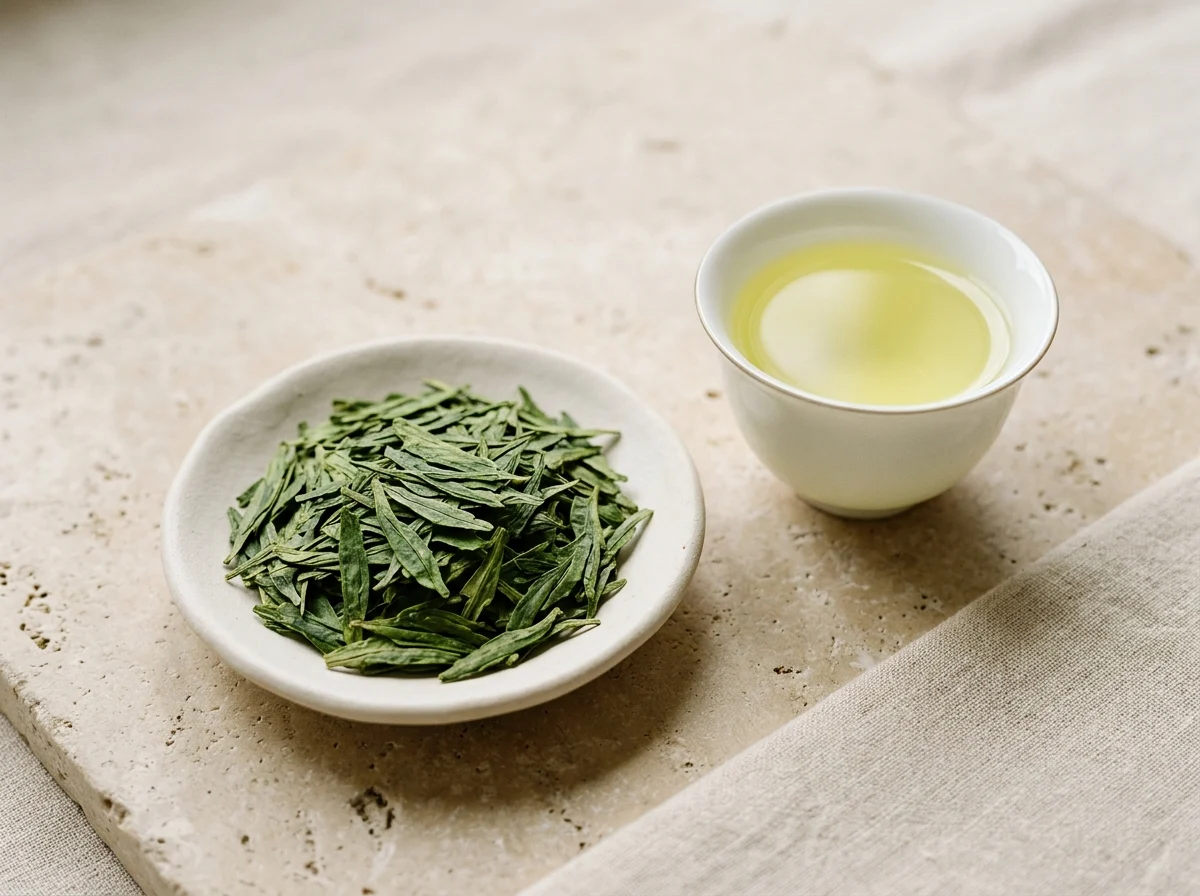
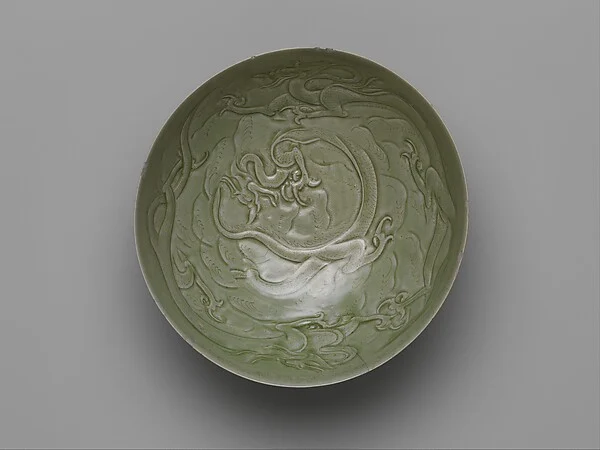
Curatorial Visual (AI Generated)
Green Tea
High-Heat Fixation (Shaqing) → Shaping/Rolling → Drying
Crisp vegetal freshness, toasted chestnut, steamed marine umami, or delicate orchid notes with pale jade to chartreuse liquor.
一叶见世界
From mist-veiled hillsides to the depths of human civilization. How did a single Camellia leaf become a daily drink, an aesthetic discipline, an imperial commodity, and a mirror of modern life?
Quick Paths · Start Here
Find your tea, brew cleanly, and avoid hypeAnswer five intuitive palate questions to match with 3 ideal teas and download a shareable flavor card.
02 · BUYER REALITY CHECKUnpack scarcity narratives, wholesale auction benchmarks, and how to judge real quality without jargon.
03 · DAILY BREWING TOOLKITTemperature presets for mugs and gaiwans, cold-brew recipes, six myth-busts, and your local tasting log.
ACT II · SIX FATES OF ONE LEAF
Tea processing is not a linear 0%–100% oxidation dial, but a branching mastery of heat fixation, withering, bruising, yellowing, and microbial maturation.
Enter Gallery II: The Six Families →High-Heat Fixation (Shaqing) → Shaping/Rolling → Drying
Crisp vegetal freshness, toasted chestnut, steamed marine umami, or delicate orchid notes with pale jade to chartreuse liquor.
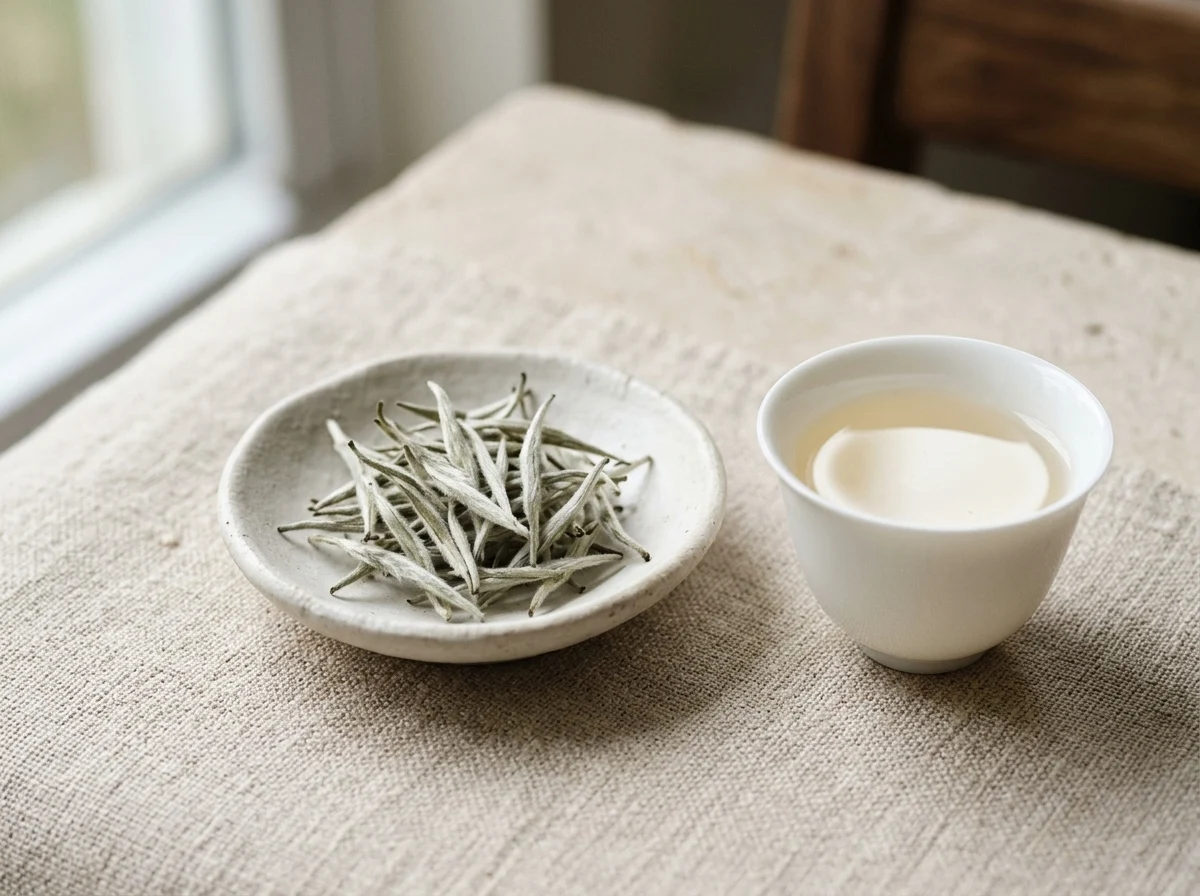
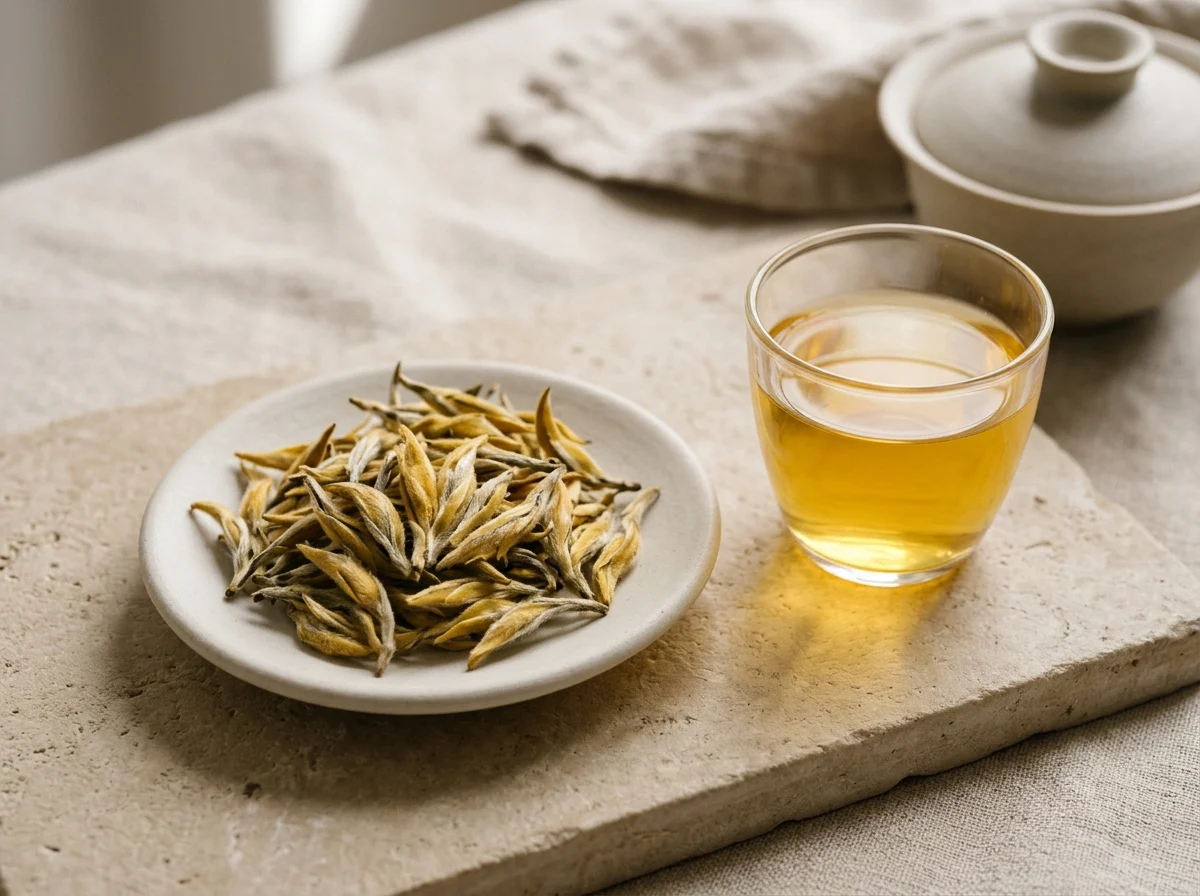
Extended Natural Withering → Gentle Low-Heat Drying (No Fixation, No Rolling)
Silvery downy sweetness, subtle hay and white blossom notes, silky mouthfeel; aged cakes deepen into jujube and warm woodiness.
Fixation → Initial Drying/Rolling → Wet-Heat Yellowing (Menhuang) → Final Drying
Retains spring delicacy without grassy sharpness, offering toasted rice, sweet corn silk, and a remarkably smooth, gentle broth.
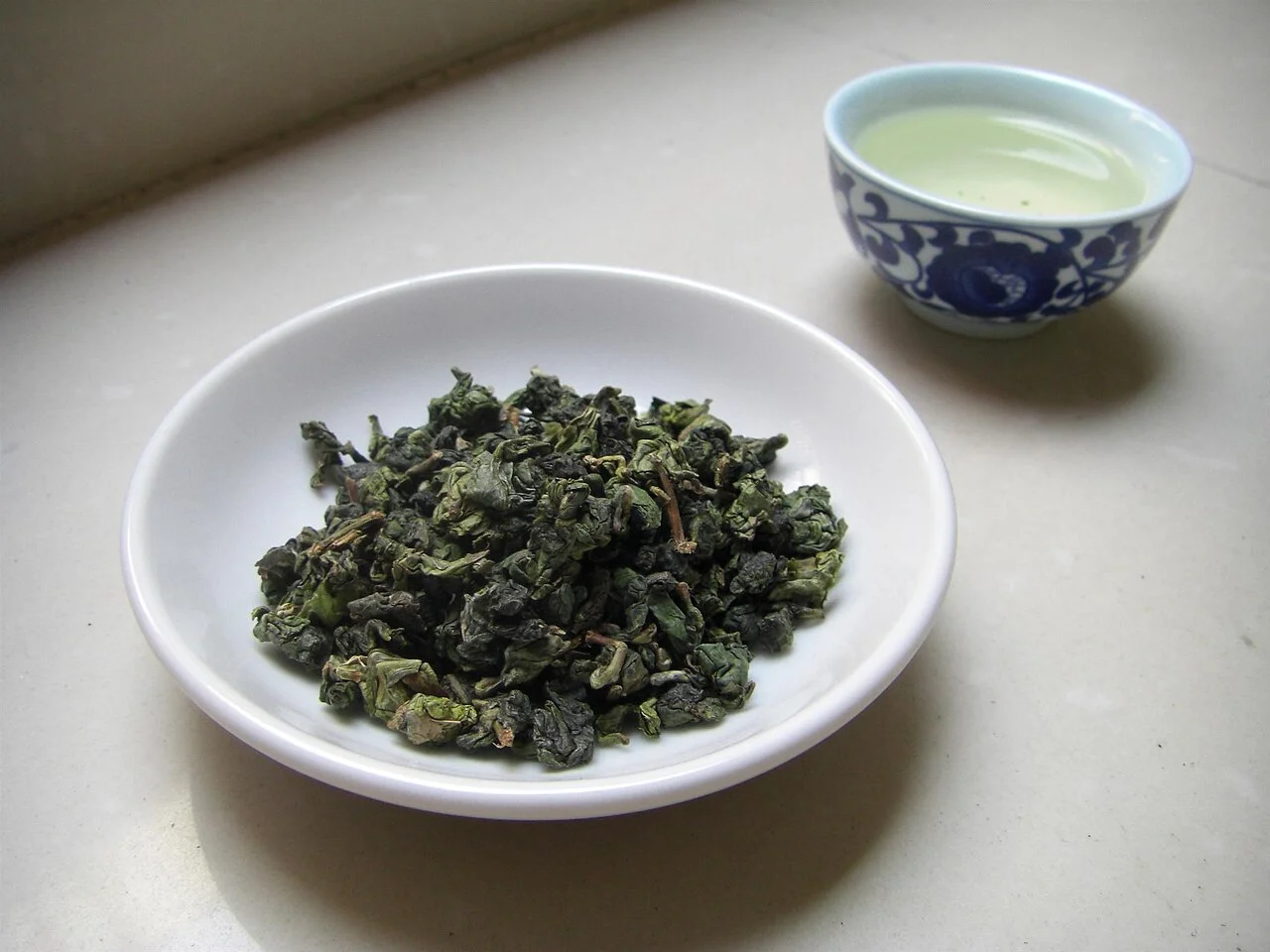
Sun Withering → Shaking & Resting (Zuoqing) → Fixation → Rolling → Roasting
Spanning bright orchid and creamy gardenia to deep roasted cacao and mineral stone resonance—the broadest aromatic spectrum in tea.
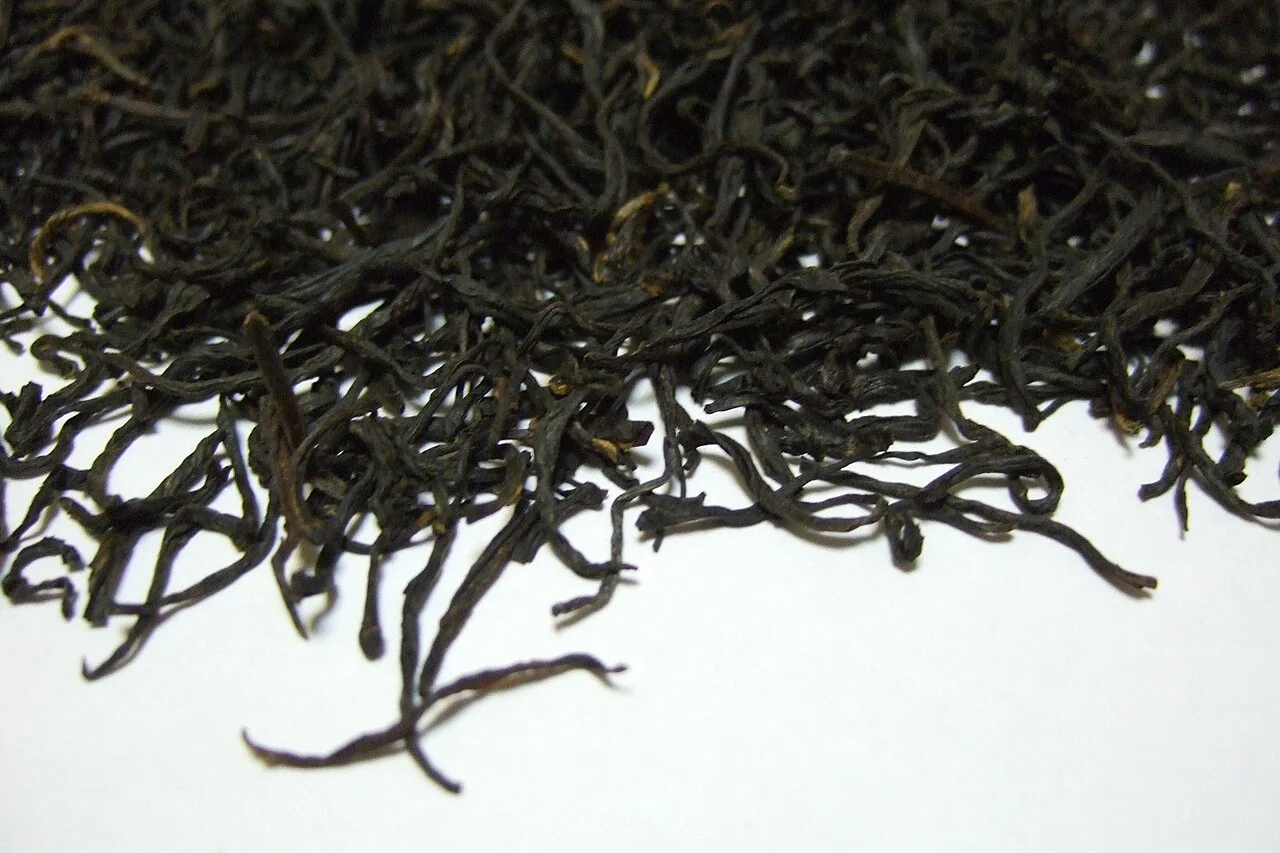
Withering → Rolling (or CTC) → Full Enzymatic Oxidation → Drying
Honeyed sweet potato, malt, rose, cacao, or pine smoke over glowing copper-ruby liquor with smooth, comforting structure.
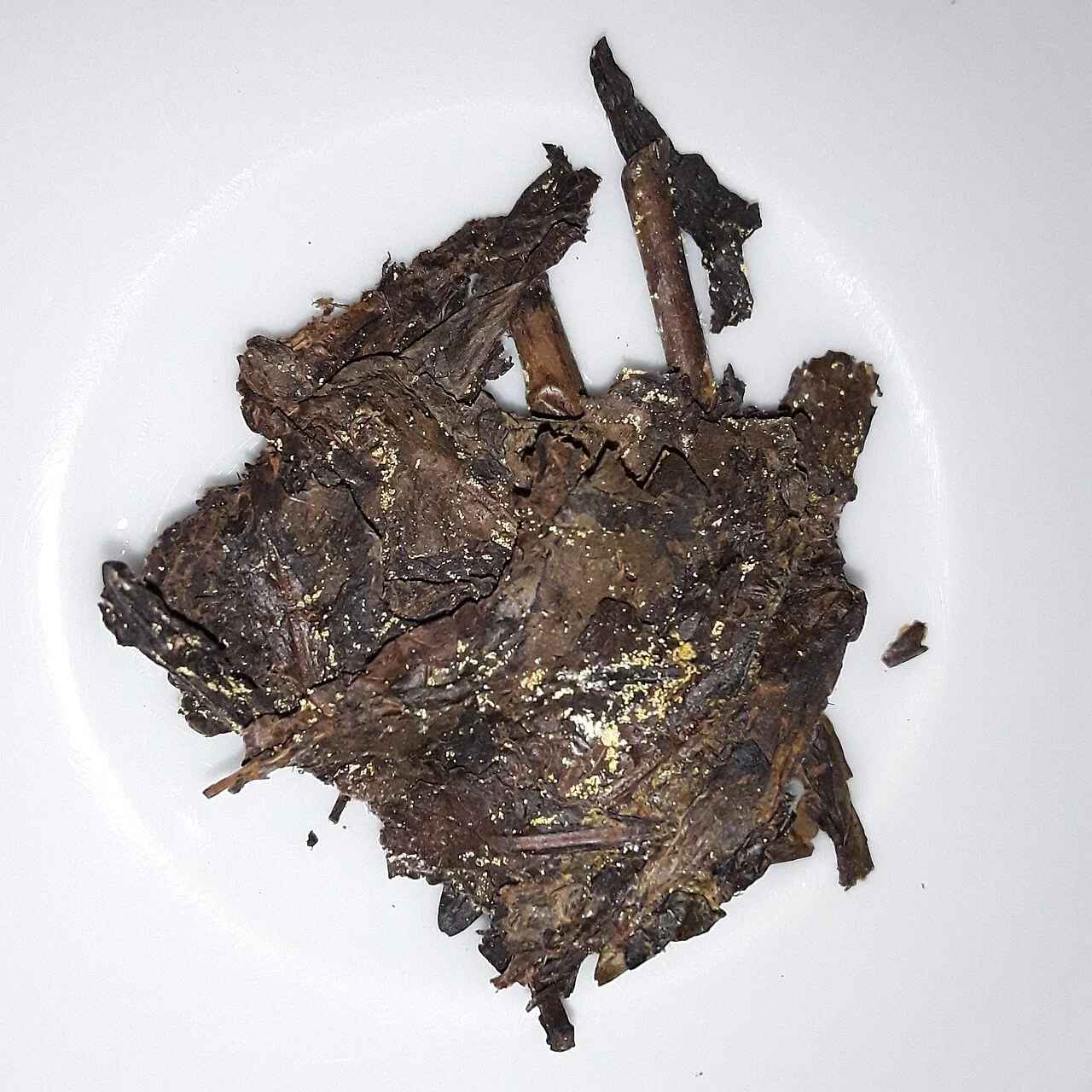
Fixation → Rolling → Wet-Piling (Wodui Microbial Fermentation) → Pressing & Aging
Aged timber, damp forest floor, golden-flower fungal sweetness, betel-nut aroma, or sweet dates over deep mahogany liquor.
ACT III · STEEPED IN TIME
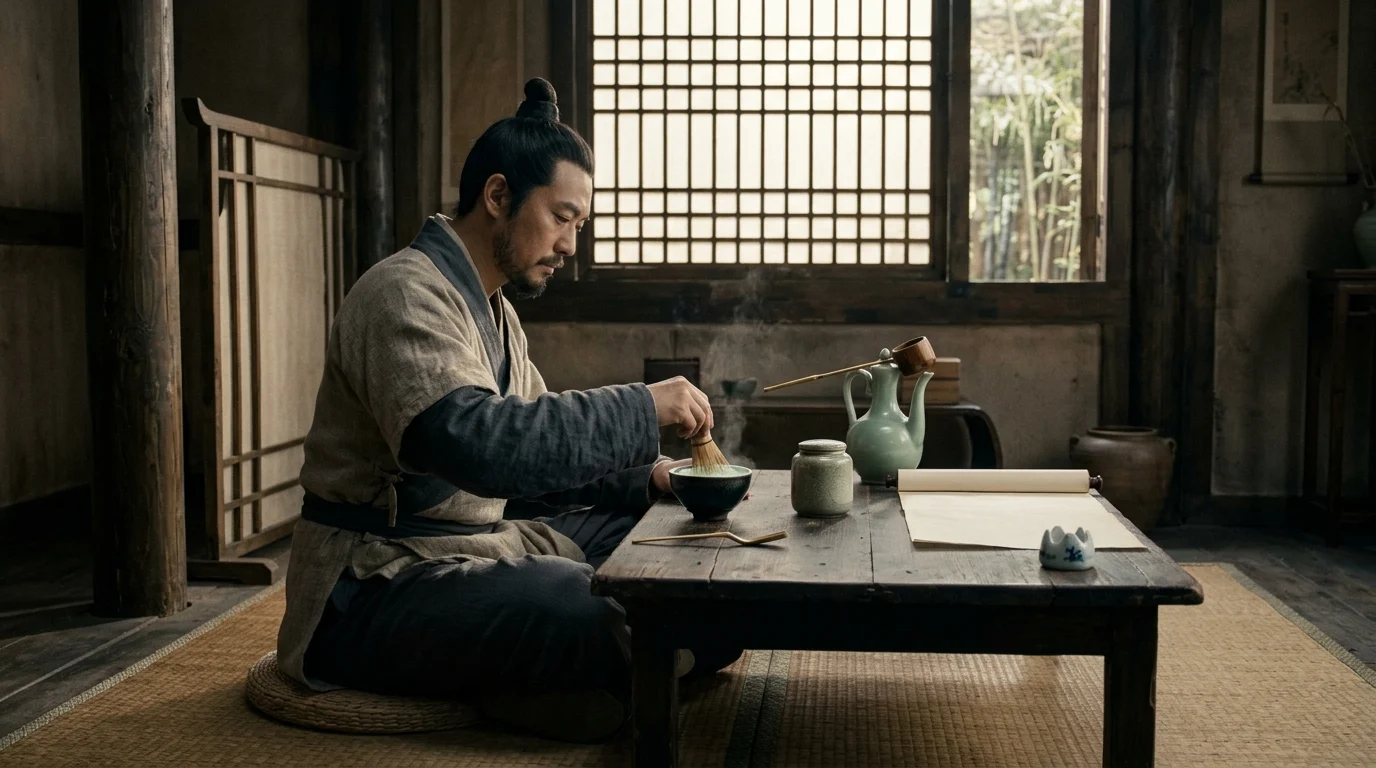
Over two millennia, preparation leaped from Tang boiled cakes to Song whisked foam, Ming steeped loose leaves, and global commerce—redefining vessels and sociability.
Enter Gallery III: Timeline →Phytolith and mass-spectrometry evidence (Lu et al., 2016) confirms real Camellia buds in Emperor Jing's mausoleum.
Finely ground tea whisked into snowy froth inside dark iron-glazed Jian bowls (shown via labeled reconstruction).
ACT IV · DIFFERENT CIVILIZATIONS, ONE CUP
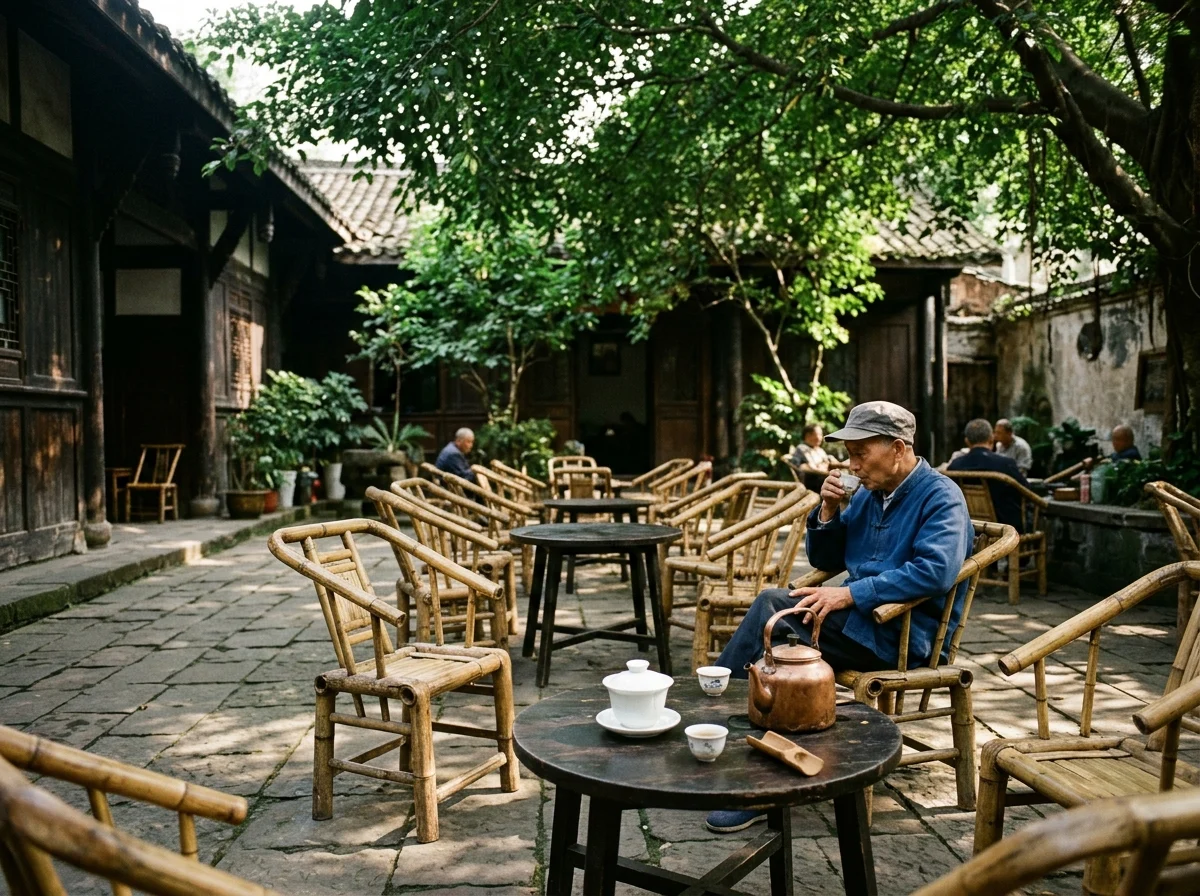
Bamboo courtyard sociability and coastal precision
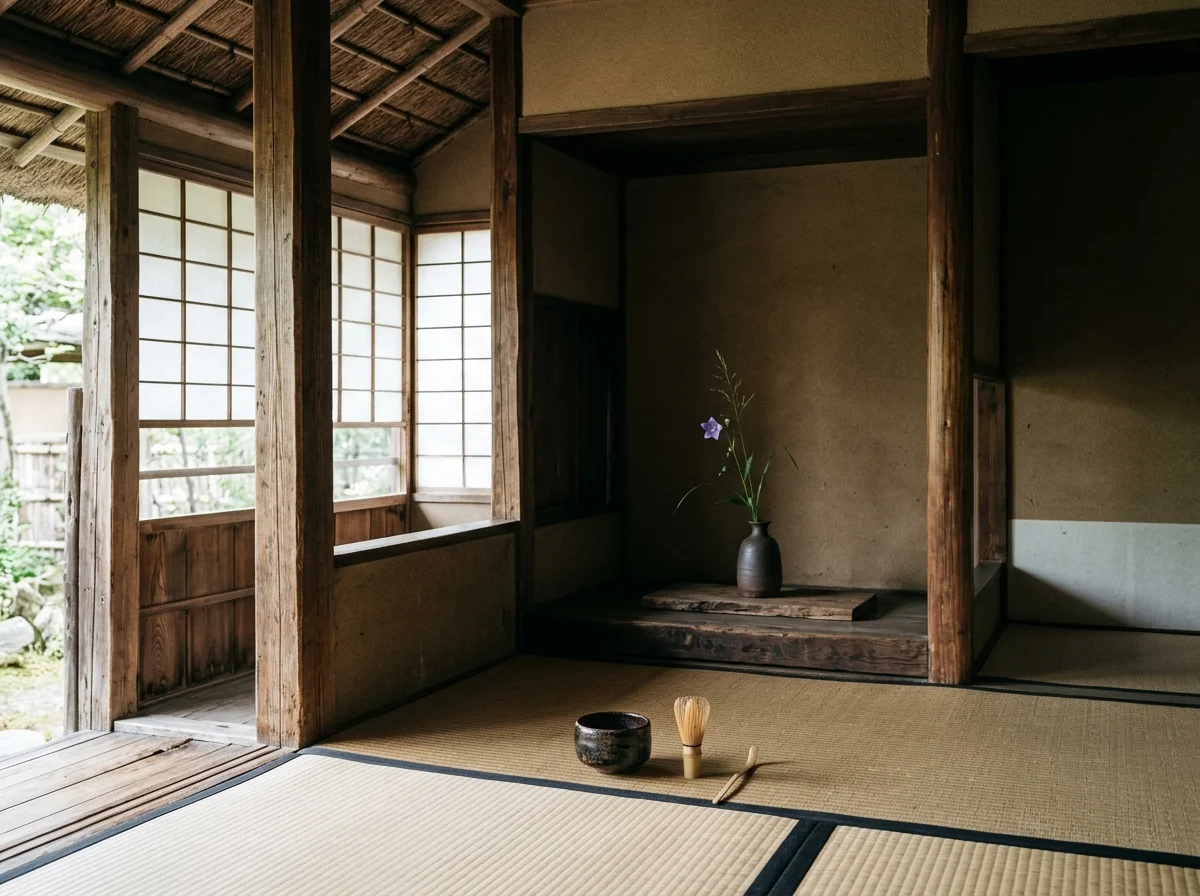
Wa-Kei-Sei-Jaku, Ichigo Ichie, and understated craft
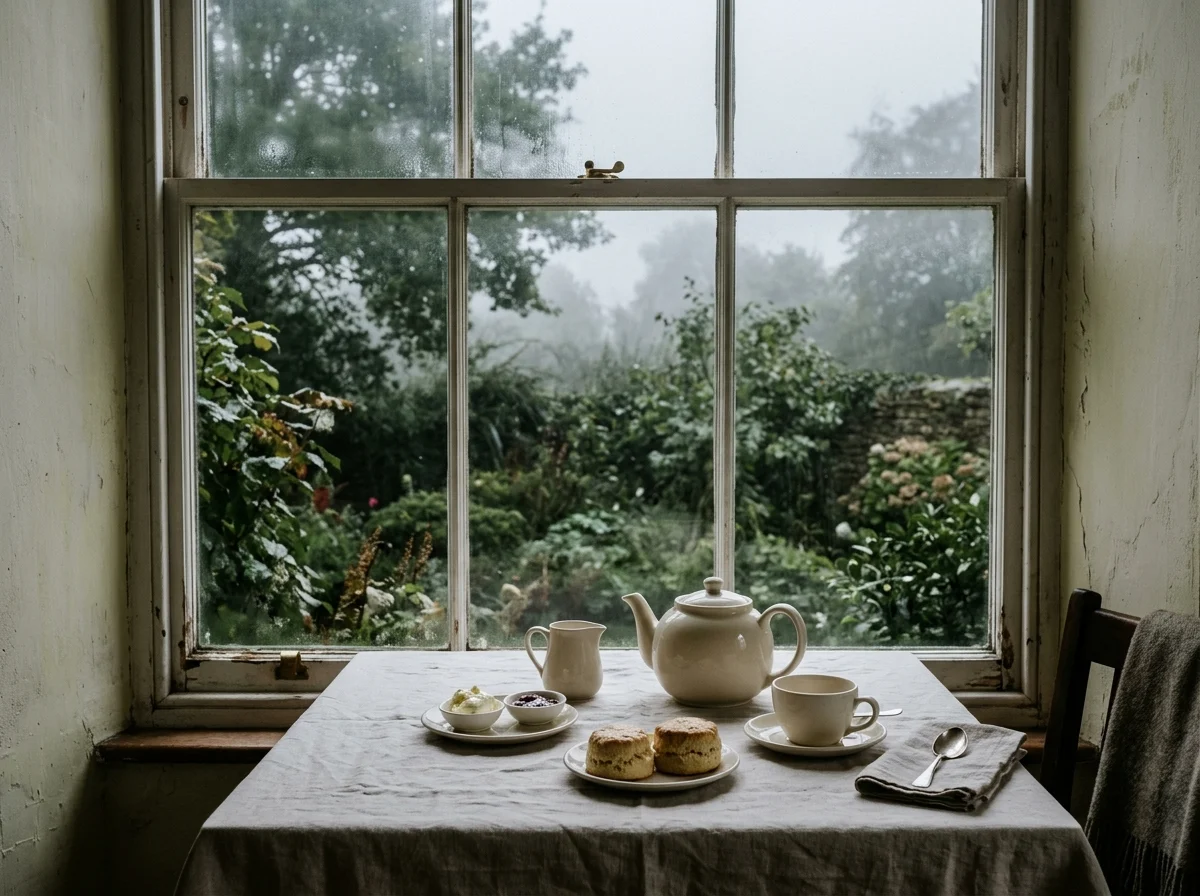
From aristocratic parlor luxury to working-class fuel
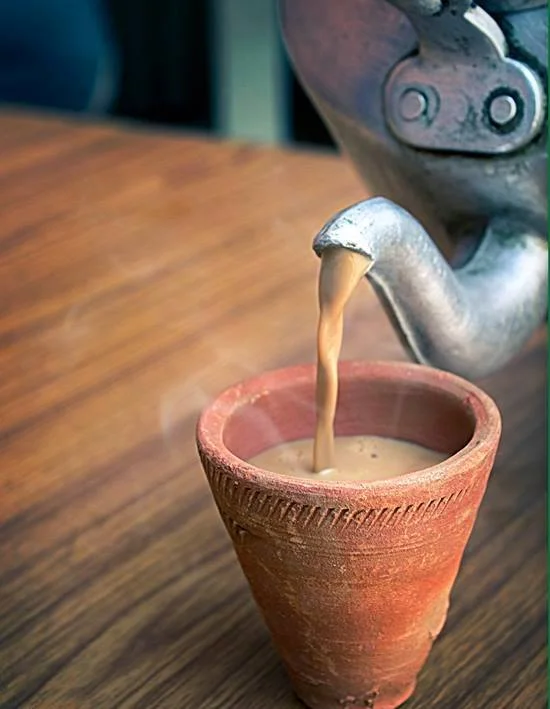
Spiced milk decoction poured into earthen kulhars
ACT V · TEA AND EMPIRE
Tea did not merely ride the wave of empire—it helped build it. From Canton silver balances and opium triangulation to Assam penal labor and Lipton's mass-branded cartons, tea forged early global supply chains.
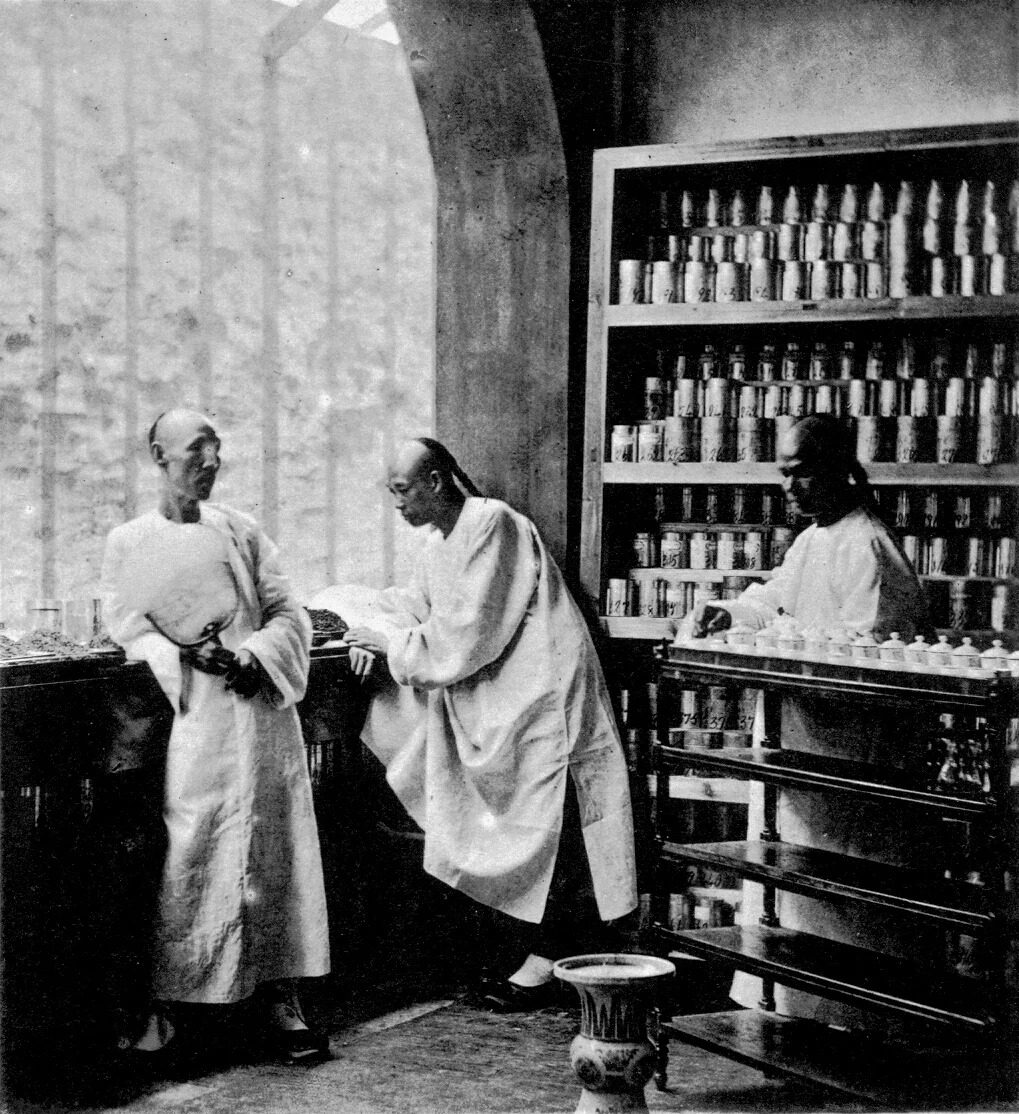
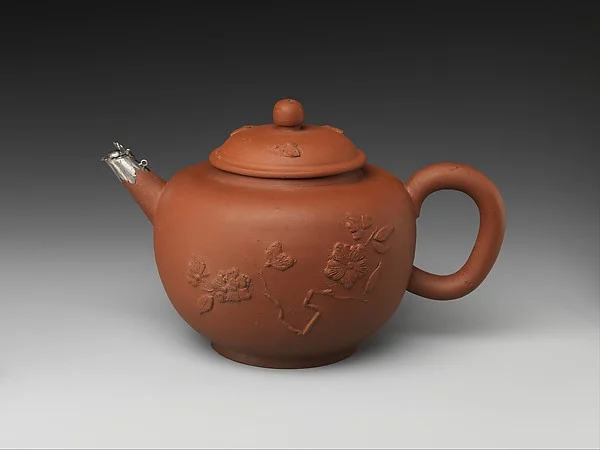
ACT VI · THE OTHER SIDE OF THE CUP
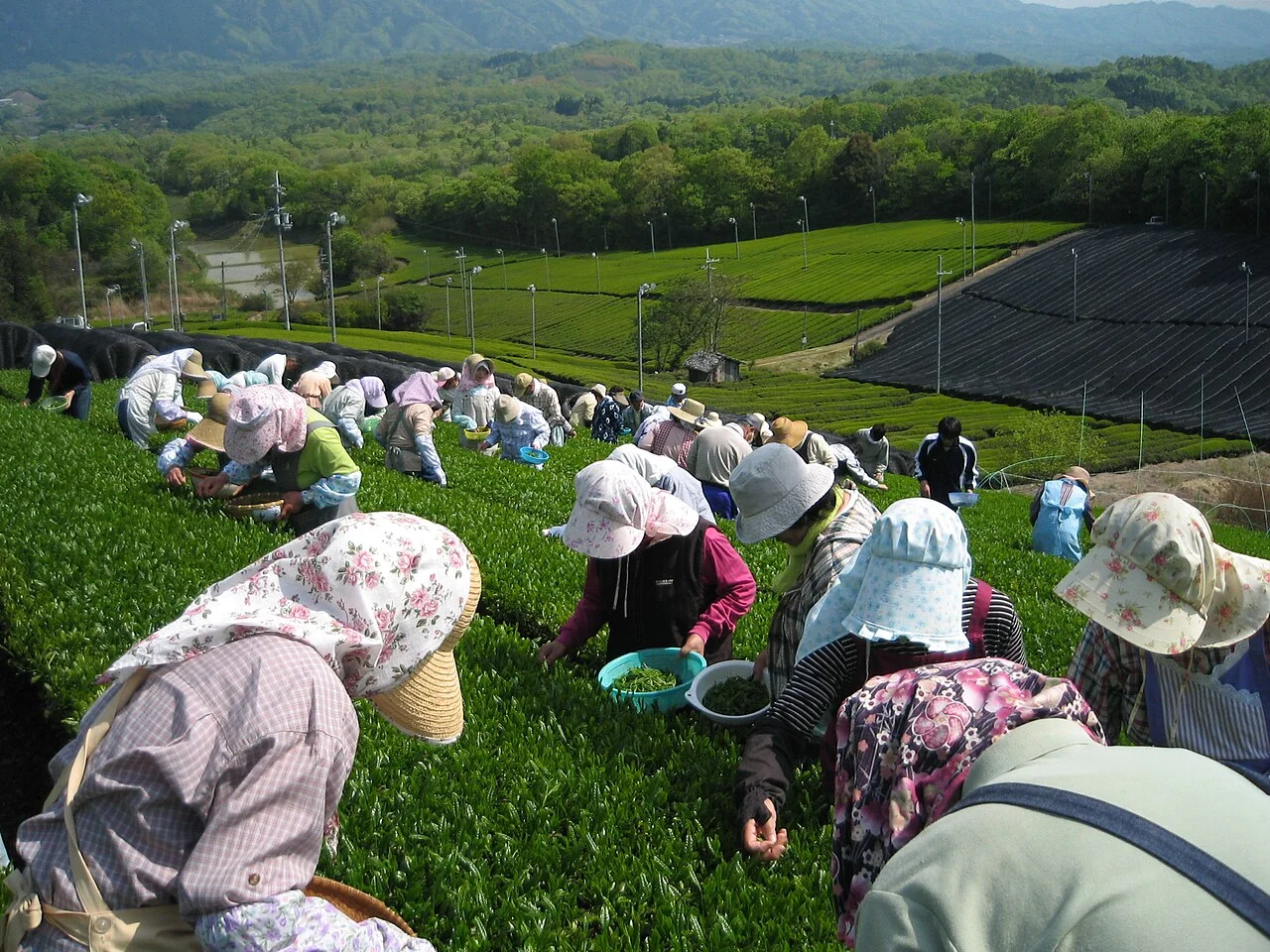
More than 60% of the world's tea is grown by smallholders (FAO 2025). China's 2025 exports crossed 418,800 tonnes at USD 3.69/kg while Japan's powdered-tea exports surged 98.2% to ¥72.1B JPY. Gallery VII investigates six structural paradoxes.
ACT VII · RETURNING TO A CUP
The world is vast, daily life is small. Sometimes, a single cup of tea is enough to let us see everyday life anew.
Drinking tea requires neither costly porcelain nor esoteric jargon—only clean water, attentive temperature, and a few unhurried minutes.