Skip to content
中文

GALLERY VII · Industry & Critical Research

Curatorial Analysis

The Paradox of Modern Tea

Between Romanticized Heritage and Supply-Chain Reality

This gallery rejects both romantic nostalgia and uncritical industrial triumphalism. Every essay pairs verified data with steel-manned counterarguments and open questions.

Verified Quantitative Observatory

Export Structure, Matcha Surge & Value-Chain Distribution

2025 China Tea Exports by Category (% of Export Volume)

2025 · % (Total 418,800 t / USD 1.546B)
Green Tea (369,000 t)88.11%

88.11% of volume; 80.40% of USD value

Black Tea6.18%

Second largest export category

Oolong, Jasmine, Dark, White & Other5.71%

Combined specialty & scented tea share (~5.71%)

Six Structural Tensions

Six Dilemmas Defining Twenty-First-Century Tea

TENSION 01

Terroir Diversity vs. Industrial Standardization

Micro-terroir, cultivar & craft nuance↔Consistent blending & scalable standards

Global retail brands rely on blending to erase seasonal variance and secure cross-border trust, yet strict standardization often flattens single-origin, heirloom, and artisanal distinction.

Standards are not inherently anti-craft: grading and residue testing allow smallholders to access distant markets. The real choice is whether standards certify origin or erase it.

TENSION 02

Gift Premiumization vs. Everyday Accessibility

Scarcity narratives & collector pricing↔Transparent grades & daily affordability

Collector teas and status gifting lean heavily on 'ancient tree' and 'master craft' scarcity, raising price opacity and intimidating everyday newcomers.

High prices are not automatically fraudulent—tiny spring harvests and hand labor genuinely cost more. Trouble arises when opaque nomenclature lets hype masquerade as verifiable rarity.

TENSION 03

Ceremonial Depth vs. Modern Pace of Life

Chashitsu discipline, vessels & mindfulness↔Commuter bottles, cold brew & effortless access

Both Japanese chadō and Chinese gongfu tea ask for time, specialized ware, and learned etiquette—qualities that in hurried cities can feel less like sanctuary and more like social gatekeeping.

Historically, tea rituals repeatedly migrated between courts, monasteries, and street stalls. Formal ritual preserves sensory discipline; convenience keeps tea alive in daily routines.

TENSION 04

Commercial Efficiency vs. Labor Value

Downstream branding, packaging & scale↔Farm-gate income & skilled artisan pay

In conventional export tea chains, over 70% of final retail value accrues to blending, branding, and retail, leaving smallholders who absorb climate and input shocks with a thin sliver.

Downstream margins are not pure rent—logistics, compliance testing, store rent, and marketing require real capital. The structural flaw is asymmetric risk transfer onto unorganized growers.

TENSION 05

Cultural Heritage vs. Consumer Innovation

Pure-leaf brewing & heritage craft lineage↔Matcha lattes, new-style tea & unsweetened RTD

New-style tea chains and the global matcha boom have brought millions of young drinkers to tea, yet dairy, syrups, and automated extraction spark fears that leaf craft is being sidelined.

Tradition was never static—Tang boiling, Song whisking, and Ming steeping were each disruptive innovations. What matters is whether modern formats pull demand back to real tea farmers or replace leaf with flavoring.

TENSION 06

Ecological Resilience vs. Economic Expansion

Biodiverse agroforestry & climate adaptation↔Monoculture expansion & yield maximization

Tea flavor depends on delicate climatic rhythms governing secondary metabolites. Extreme drought-monsoon swings already dilute key leaf compounds, while monoculture expansion erodes ecological buffers.

Economically vulnerable mountain growers cannot bear conservation costs alone. Ecology and livelihood align only when shade-grown and biodiverse cultivation earns verifiable price premiums.

Six Original Research Essays

Original Dialectical Investigations

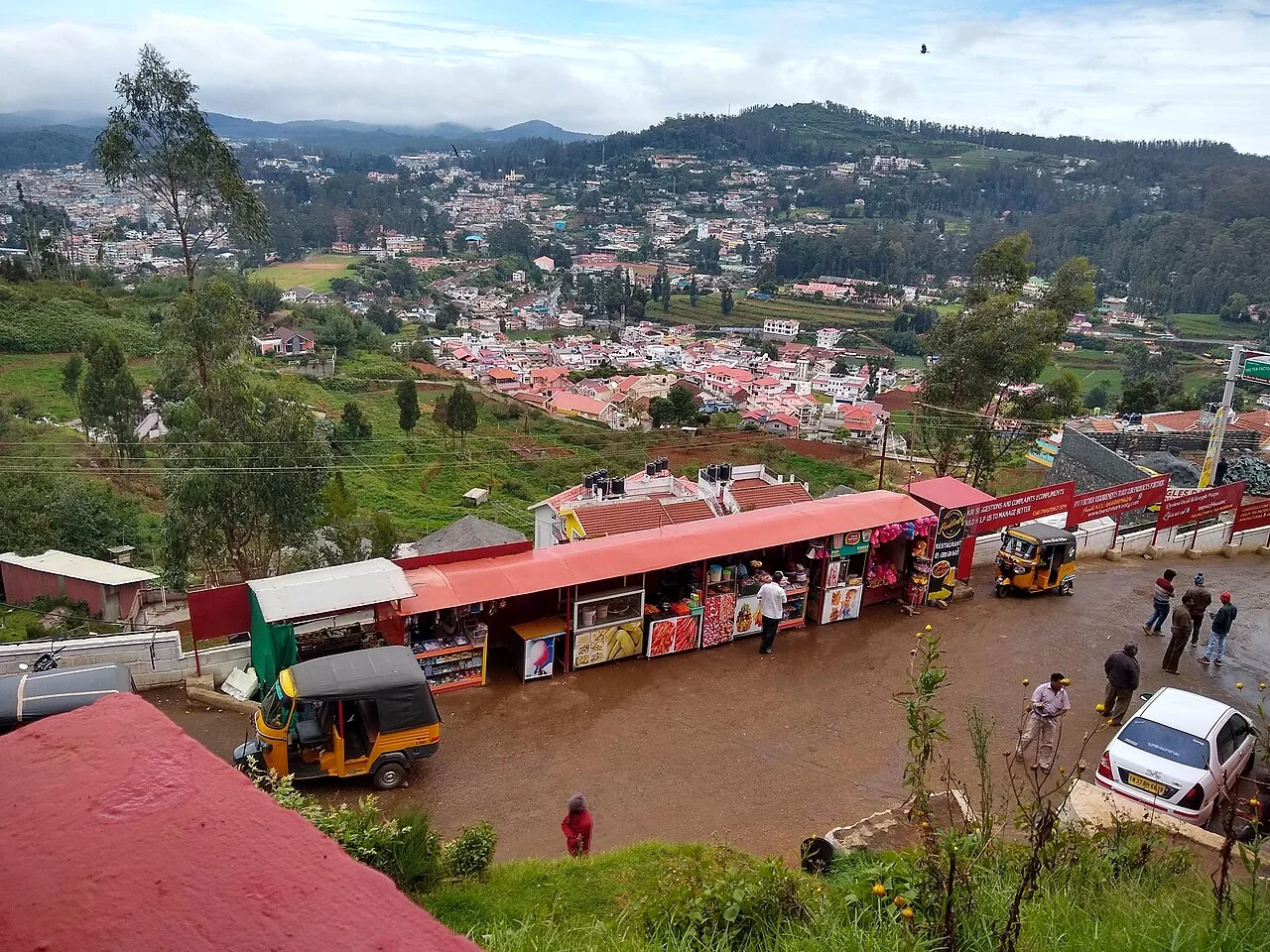
Mechanized rolling and sorting machinery inside a tea processing factory
CC BY 4.0 · Wikimedia Commons
ESSAY 01Curatorial Analysis8 min read

Why Doesn't Ancient Tea Culture Guarantee Global Brand Power?

Why deep origin heritage and UNESCO craft recognition do not automatically convert into global retail dominance

Research Question: China possesses over two millennia of tea history and the world's largest output—so why has cultural primacy not translated smoothly into globally dominant consumer brands or higher average export unit prices?

Read Full Essay, Dialectic & Sources →
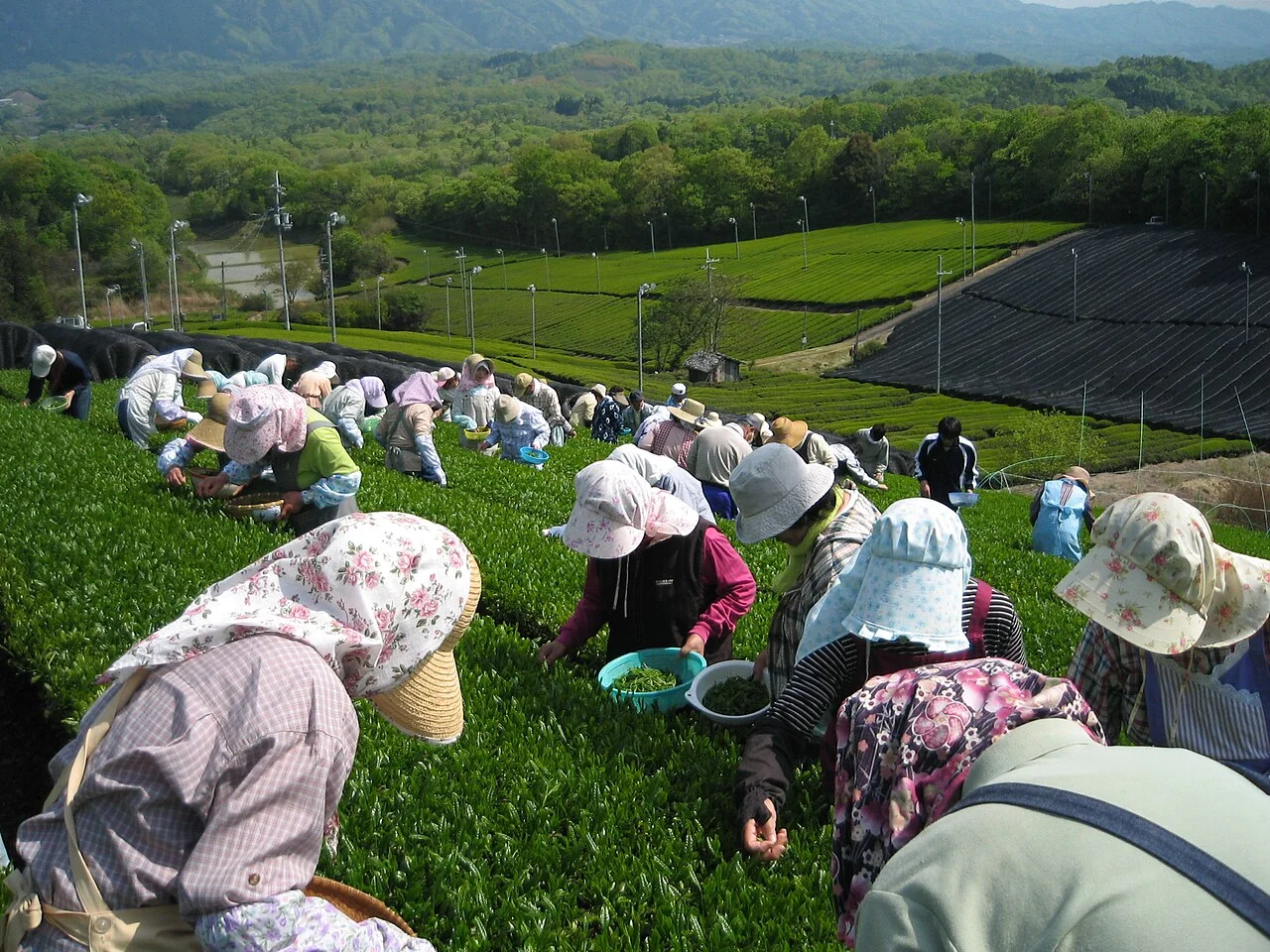
Tea grower's hands carefully plucking fresh green tea shoots
CC BY 2.0 · Wikimedia Commons
ESSAY 02Curatorial Analysis8 min read

What Is Half a Kilo of Tea Really Worth? Quality, Price, and Trust

Untangling agricultural cost, hand-craftsmanship, and scarcity premiums in opaque tea markets

Research Question: Why does dried leaf from the exact same botanical species span from a few dollars per kilo to thousands—and how much of that gap measures sensory quality versus information asymmetry and social signaling?

Read Full Essay, Dialectic & Sources →
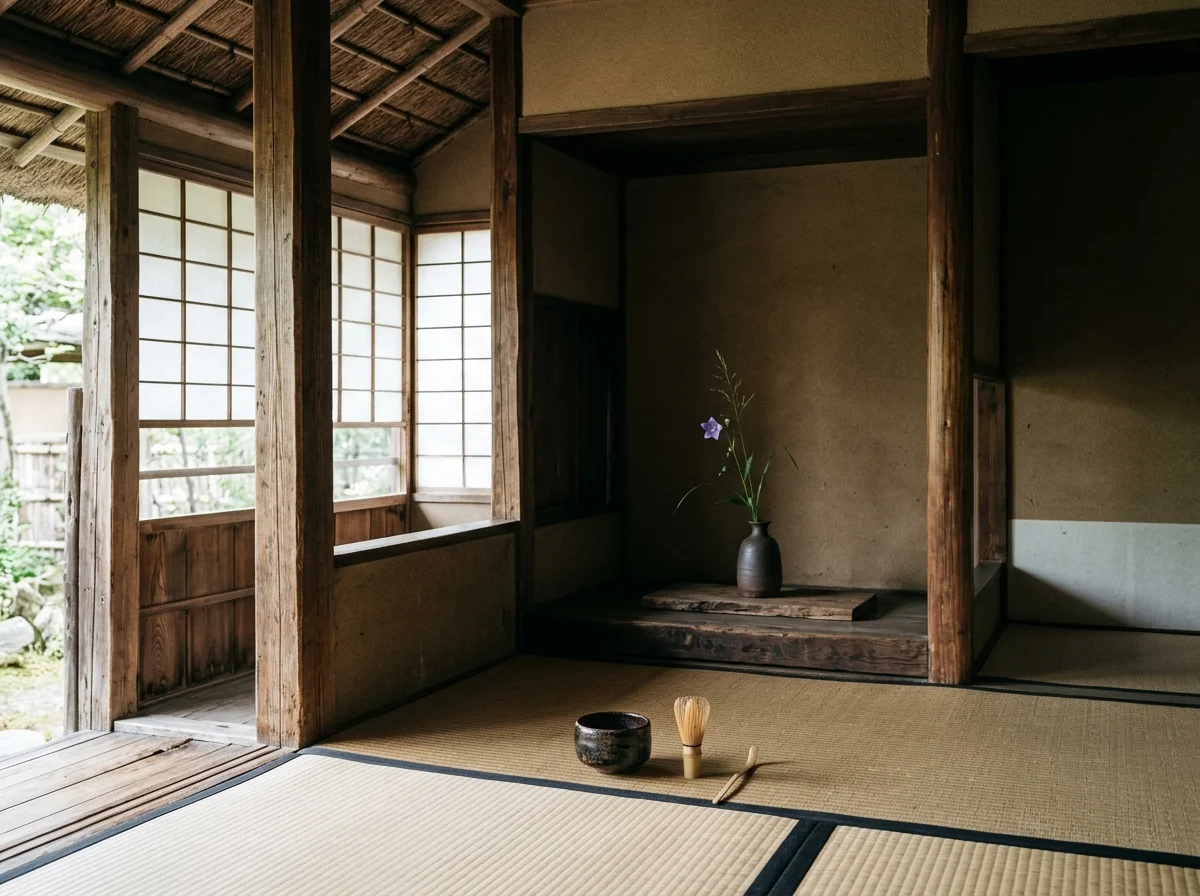
Traditional Japanese chashitsu tea room with tatami, shoji paper screens, chabana, and matcha bowl
Curatorial Visual (AI Generated)
ESSAY 03Curatorial Analysis7 min read

Is the Way of Tea Becoming an Expensive Ritual?

From humble thatched huts and street teahouses to curated studio aesthetics and social gatekeeping

Research Question: Are East Asian tea rituals preserving mindfulness and aesthetic care in modern cities, or are they drifting into costly performances dependent on rare vessels, studio real estate, and leisure privilege?

Read Full Essay, Dialectic & Sources →
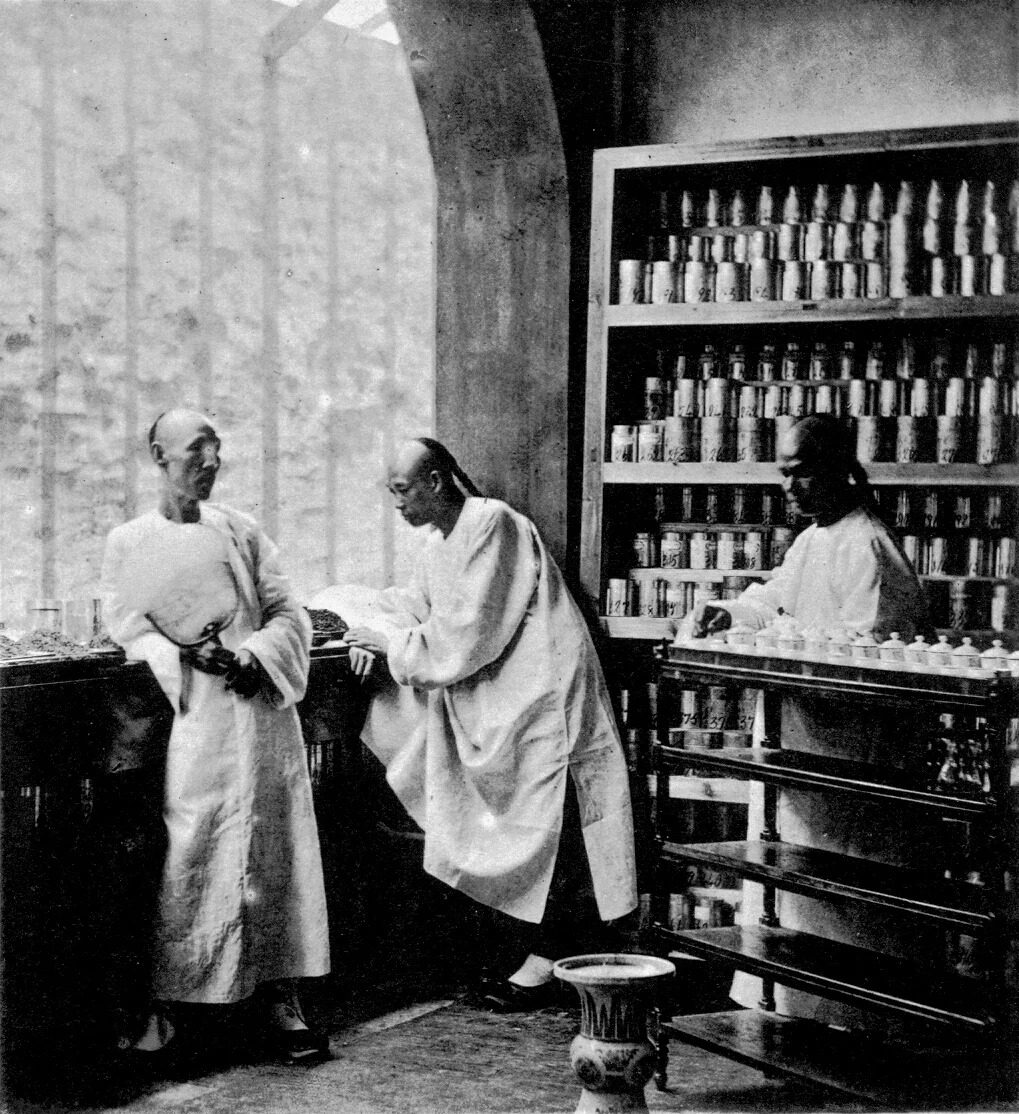
19th-century historical photograph of a tea-tasting room in Canton by John Thomson
Museum Open Access · CC0 · Wikimedia Commons
ESSAY 04Curatorial Analysis8 min read

Who Captures the Margin in a Cup of Tea?

Mapping value distribution from smallholder tea gardens to London auctions, supermarkets, and urban tea counters

Research Question: Over 60% of the world's tea is grown by smallholders—so why do farm-gate growers routinely capture the smallest share of final retail value while downstream blenders, brands, and retailers take the lion's share?

Read Full Essay, Dialectic & Sources →
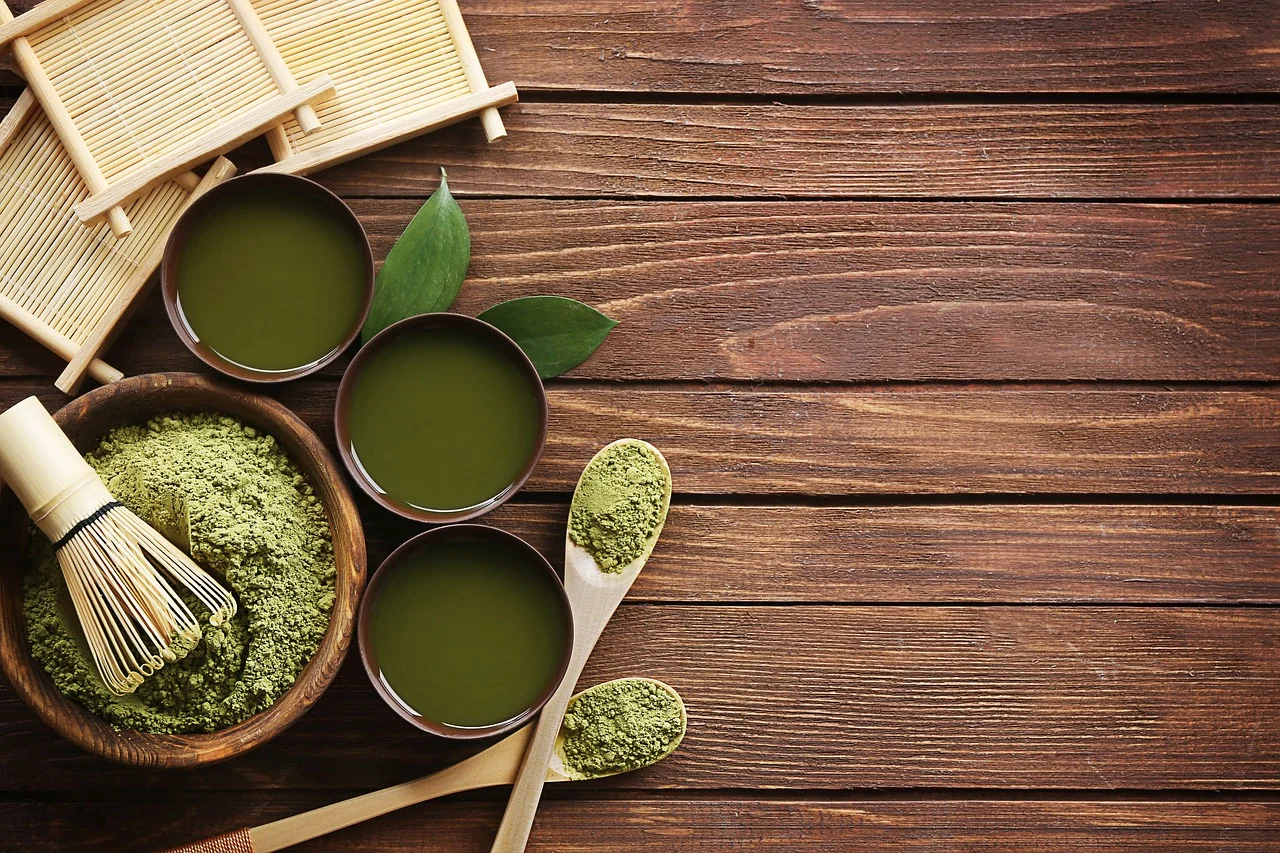
Vibrant green stone-milled Japanese matcha powder
Museum Open Access · CC0 · Wikimedia Commons
ESSAY 05Curatorial Analysis8 min read

Matcha, New-Style Tea, and Unsweetened RTD: Decline or Reinvention?

From Song-era powdered tea and Japanese tencha to global café lattes and convenience-store cold cases

Research Question: As Gen Z and global city dwellers encounter tea primarily through oat-milk matcha lattes, fruit-topped café drinks, and bottled unsweetened oolongs, is leaf tradition eroding—or reinventing itself yet again?

Read Full Essay, Dialectic & Sources →
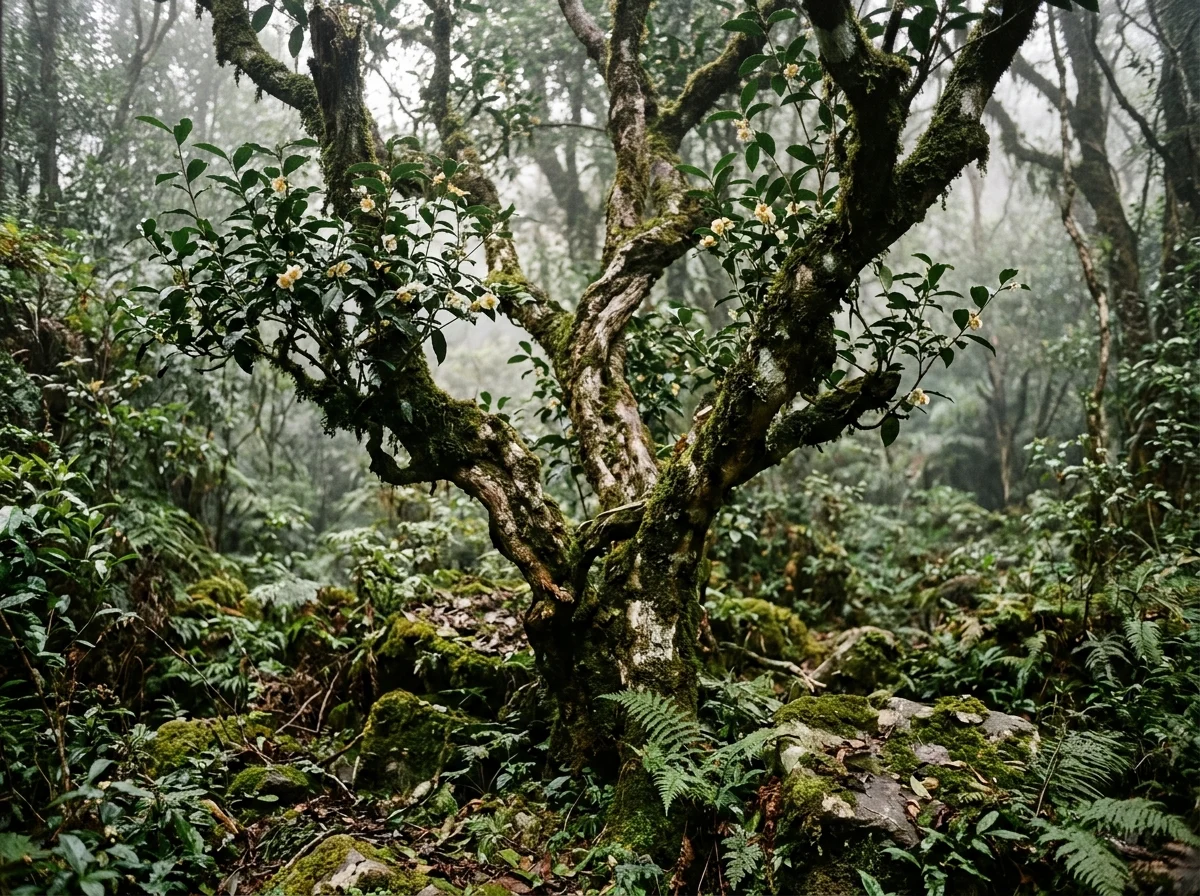
Ancient wild-arbor tea tree amid mossy forest undergrowth in misty Yunnan
Curatorial Visual (AI Generated)
ESSAY 06Curatorial Analysis8 min read

What Happens to Tea Flavor When the Climate Shifts?

How erratic droughts, intense monsoons, and warming elevations rewrite leaf chemistry and mountain livelihoods

Research Question: Terroir is often treated as an unchanging guarantee of tea quality—yet as warming temperatures, spring droughts, and erratic monsoon deluges intensify, how are leaf chemistry and grower livelihoods actually shifting?

Read Full Essay, Dialectic & Sources →

Verified References & Provenance

  1. [01] 2026Source

    2025 China Tea Import and Export Briefing

    China Tea Marketing Association (CTMA)

    Based on China Customs data: 2025 tea exports reached 418,800 tonnes (+11.93% YoY), USD 1.546 billion (+8.91%), avg price USD 3.69/kg (-2.70%); green tea accounted for 88.11% of volume.

  2. [02] 2026Source

    2025 China Tea Production-Sales Analysis & 2026 Industry Transformation Report

    China Tea Marketing Association (CTMA)

    Reports 2025 dry rough tea output of 3.6403M tonnes (RMB 333.19B), traditional domestic sales of 2.3777M tonnes (RMB 309.93B, avg RMB 130.35/kg), and newly-made tea retail market exceeding RMB 300B.

  3. [03] 2026Source

    Japan Ministry of Agriculture, Forestry and Fisheries (MAFF) 2025 Green Tea Export Statistics

    Ministry of Agriculture, Forestry and Fisheries of Japan (MAFF)

    Documents record 2025 Japanese green tea exports of JPY 72.1 billion (+98.2% YoY) and 12,612 tonnes, with powdered green tea (led by matcha) representing ~84% of export value.

  4. [04] 2025Source

    International Tea Committee (ITC) & National Tea Boards (Kenya, India, Sri Lanka) 2024–2025 Export Data

    ITC / Tea Board of Kenya / Sri Lanka Tea Board / Tea Board India

    Aggregates 2024–2025 national export benchmarks: Kenya ~652.8k t (~$2.20–$2.27/kg bulk CTC); Sri Lanka ~258k t (~$5.50–$5.83/kg orthodox/value-added); India ~257.9k t (~$3.40/kg).

  5. [05] 2017Source

    A Thirst for Empire: How Tea Shaped the Modern World

    Erika Rappaport · ISBN 9780691167114

    Princeton University Press study demonstrating how temperance movements, imperial propaganda, branding, and corporate integration (such as Lipton) manufactured British imperial tea taste.

  6. [06] 2020Source

    Tea War: A History of Capitalism in China and India

    Andrew B. Liu · 10.12987/yale/9780300243734.001.0001

    Yale University Press comparative history of Huizhou, Wuyi, and Assam, showing how both colonial penal indenture and Chinese piece-rate time discipline constituted dynamic Asian capitalist accumulation.

  7. [07] 2022Source

    Traditional tea processing techniques and associated social practices in China

    UNESCO Intangible Cultural Heritage · Nomination File No. 01884

    Inscribed in 2022; documents the six core Chinese tea categories, reprocessed teas, and their embedded social rituals across 44 national heritage items.

  8. [08] 2016Source

    Earliest tea as evidence for one branch of the Silk Road across the Tibetan Plateau

    Houyuan Lu, Jianping Zhang, Yimin Yang, Dorian Q. Fuller et al. · 10.1038/srep18955

    Uses calcium phytolith micromorphology and UPLC-MS/GC-MS detection of caffeine and L-theanine to verify tea buds in Han Yangling Mausoleum (c. 141 BCE) and Gurgyam Cemetery, western Tibet (2nd–3rd c. CE).

  9. [09] 2025Source

    FAO Beverages: Tea Markets & Trade Overview & International Tea Day Address

    Food and Agriculture Organization of the United Nations (FAO)

    Notes in 2025 International Tea Day materials that over 60% of global tea is produced by smallholders; FAO IGG on Tea tracks processed made-tea output and uneven farm-gate price transmission.

  10. [10] c. 760–780Source

    The Classic of Tea (Chajing) by Lu Yu

    Lu Yu (c. 760–780 CE)

    The earliest surviving systematic monograph on tea, organized into ten chapters covering origins, tools, processing, vessels, boiling, drinking, historical anecdotes, regions, omissions, and scroll diagrams.

  11. [11] 2024Source

    Global Market Report: Tea Prices and Sustainability

    International Institute for Sustainable Development (IISD)

    Examines squeezed smallholder net margins under rising input costs, stagnant auction prices, and the reach/limits of Voluntary Sustainability Standards.

  12. [12] 2024Source

    Urasenke Official Introduction to Chado (The Way of Tea)

    Urasenke Foundation

    Authoritative overview of Chado lineage from Sen no Rikyū, the four principles Wa-Kei-Sei-Jaku, and modern tea gathering choreography.

  13. [13] 2023Source

    The Metropolitan Museum of Art: The Japanese Tea Ceremony

    The Metropolitan Museum of Art

    Heilbrunn Timeline essay examining the transition from prized Chinese karamono utensils to wabi-cha Raku wares and bamboo scoops.

  14. [14] 1906Source

    The Book of Tea

    Okakura Kakuzō · Project Gutenberg #769

    Published in English in 1906 across seven chapters while Okakura curated Asian art at the Museum of Fine Arts, Boston; interprets Teaism, Taoist/Zen aesthetics, the chashitsu, and tea masters.

  15. [15] 1211Source

    Kissa Yōjōki (Drinking Tea for Health, 1211) by Myōan Eisai

    Myōan Eisai (1141–1215)

    Japan's earliest extant tea treatise (1211), introducing Song-style powdered tea cultivation and preparation alongside Zen monastic practice.

  16. [16] 2024Source

    Fairtrade Standard for Tea & Value Distribution Briefs

    Fairtrade International

    Documents structural value asymmetry where raw-leaf growers receive roughly 7%–15% of final export retail price while blending, branding, and retail capture 70%+.

  17. [17] 2003Source

    Tea: Addiction, Exploitation, and Empire

    Roy Moxham

    Historical synthesis by a former tea planter tracing Britain's tea dependency, opium triangulation, and harsh plantation labor conditions across Assam, Ceylon, and Africa.

  18. [18] 1979Source

    Chen Chuan's Six-Category Tea Classification (1979) & Camellia sinensis Phylogeography

    Chen Chuan (1979) / Chen Zongmao (ed., China Tea Classic)

    Chen Chuan (1979) established the modern scientific taxonomy of six tea families based on processing mechanisms (enzyme inactivation, withering, yellowing, semi-oxidation, full oxidation, microbial piling) rather than linear fermentation; Chen Zongmao's China Tea Classic synthesizes modern agronomy and tea chemistry.

  19. [19] 2009Source

    The True History of Tea

    Victor H. Mair & Erling Hoh

    Philological and historical synthesis tracing tea from southwest China/Southeast Asia across overland 'cha' and maritime 'te' linguistic and trade corridors.

  20. [20] 2014Source

    Effects of Extreme Climate Events on Tea (Camellia sinensis) Functional Quality Validate Indigenous Farmer Knowledge

    Selena Ahmed, Colin M. Orians, J. Richard Stepp et al. · 10.1371/journal.pone.0109126

    Demonstrates that rapid shifts from spring drought to intense monsoon rain accelerate shoot growth by ~50% while diluting catechins and methylxanthines by up to ~50%, degrading sensory quality and farmer prices.