Skip to content
中文

GALLERY II · Taxonomy & Craft

Historical Record

The Six Families

Green, White, Yellow, Oolong, Black & Dark Tea

Modern tea taxonomy classifies six primary families by processing mechanism rather than linear oxidation—while matcha, jasmine, pu-erh, Ceylon, and Darjeeling represent reprocessed or regional traditions built upon them.

01 · Green Tea

Liquor
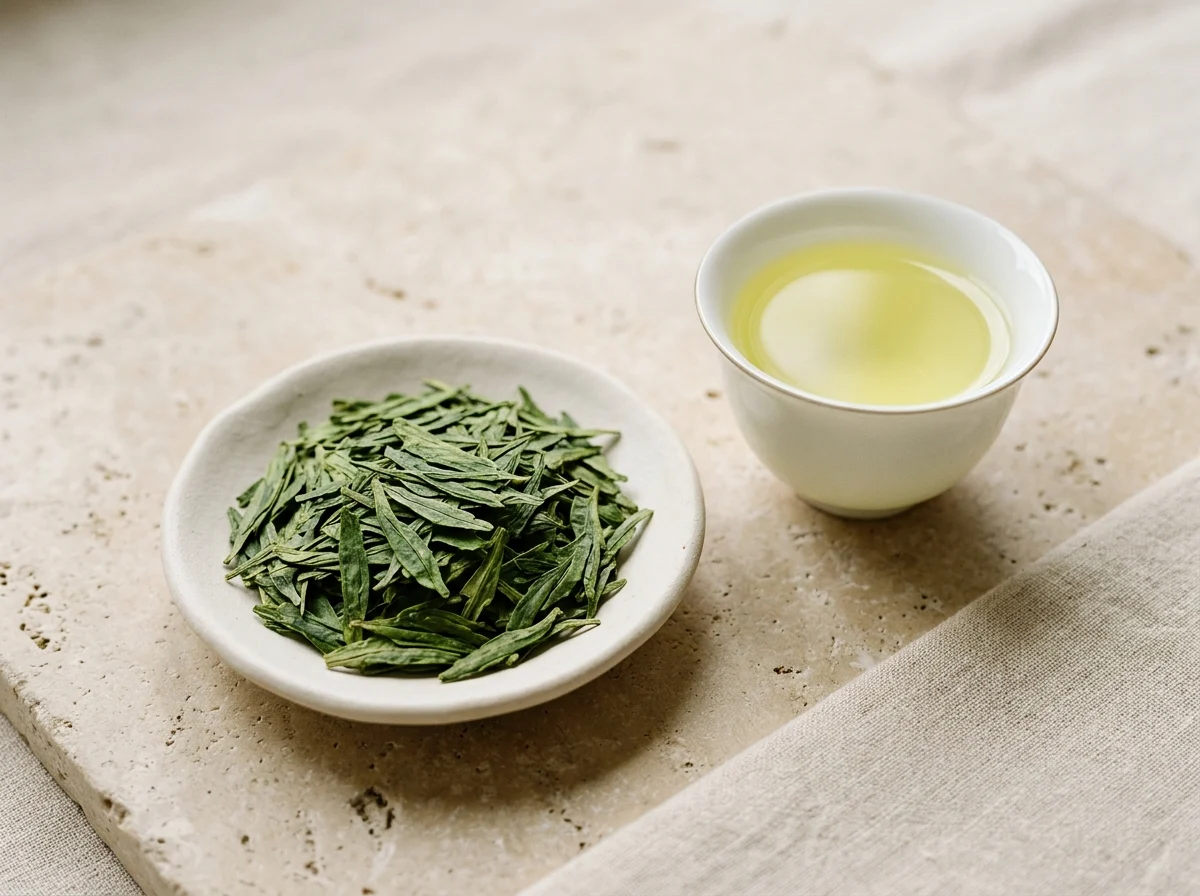
Flat emerald-green Longjing leaves beside a porcelain cup of pale jade tea liquor
Curatorial Visual (AI Generated)
Green Tea Specimen: non-oxidized, enzyme-fixed flat blades yielding luminous jade-yellow liquor.Six Families Unified Still-Life Series (AI Generated)
Process Sequence: High-Heat Fixation (Shaqing) → Shaping/Rolling → Drying

Rapid thermal fixation (>85°C) via pan-firing, steaming, or hot air denatures polyphenol oxidase before oxidation begins, preserving natural chlorophyll and catechins.

Crisp vegetal freshness, toasted chestnut, steamed marine umami, or delicate orchid notes with pale jade to chartreuse liquor.

Not all green tea is pan-fired: Chinese classics mostly use pan-firing or hot-air drying, whereas Japanese sencha, gyokuro, and Hubei's Enshi Yulu use steaming, shifting flavor from nutty to deeply savory.
02 · White Tea

Liquor
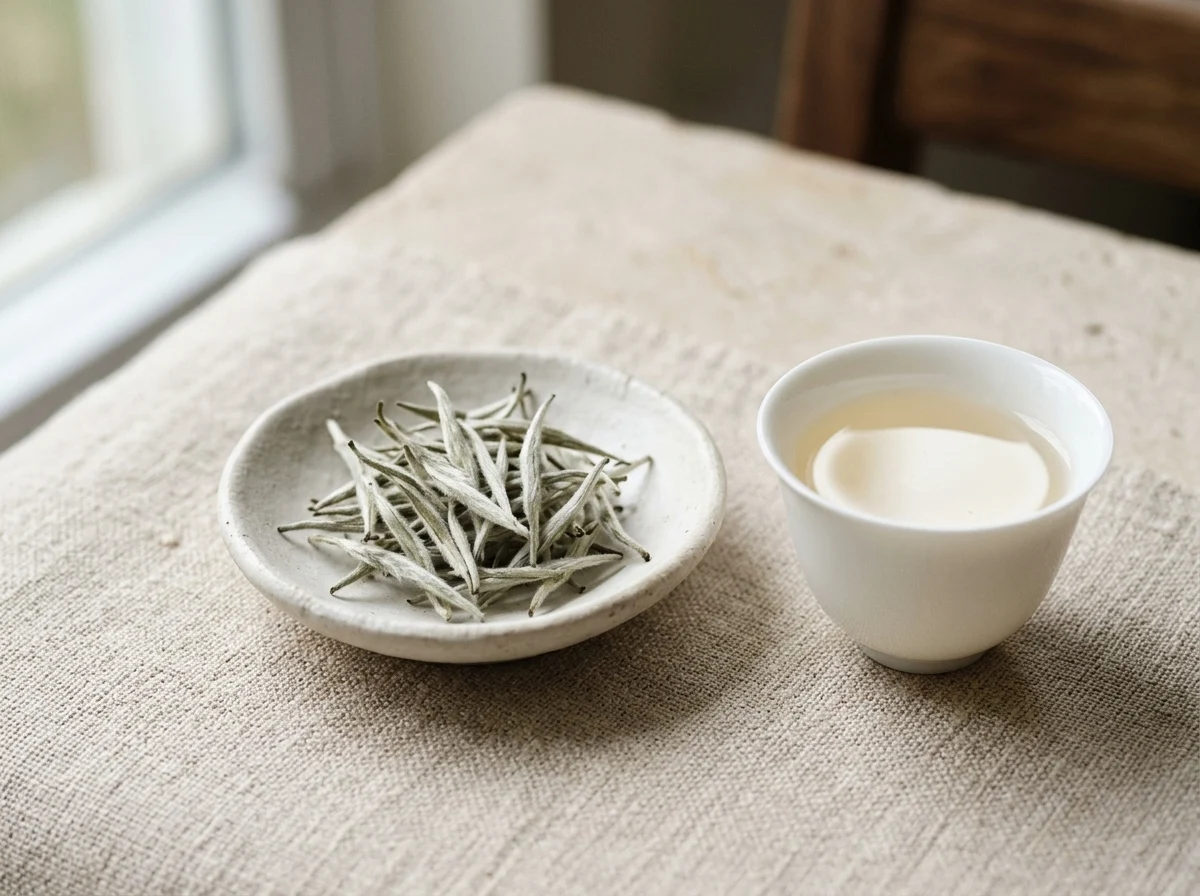
Silver-downy Baihao Yinzhen white tea buds beside crystalline pale champagne liquor
Curatorial Visual (AI Generated)
White Tea Specimen: minimally handled, naturally withered downy buds yielding pale ivory-gold liquor.Six Families Unified Still-Life Series (AI Generated)
Process Sequence: Extended Natural Withering → Gentle Low-Heat Drying (No Fixation, No Rolling)

Minimal mechanical intervention: neither pan-fixed nor rolled. Over 36–72 hours of gentle withering, cellular moisture slowly drops while mild autolysis and slight spontaneous oxidation yield abundant amino acids and honeyed delicacy.

Silvery downy sweetness, subtle hay and white blossom notes, silky mouthfeel; aged cakes deepen into jujube and warm woodiness.

White tea is not 'zero-oxidized.' Precisely because it skips thermal fixation, enzymes remain latent during slow withering and storage, allowing mild 5%–15% oxidation and multi-year maturation.

03 · Yellow Tea

Liquor
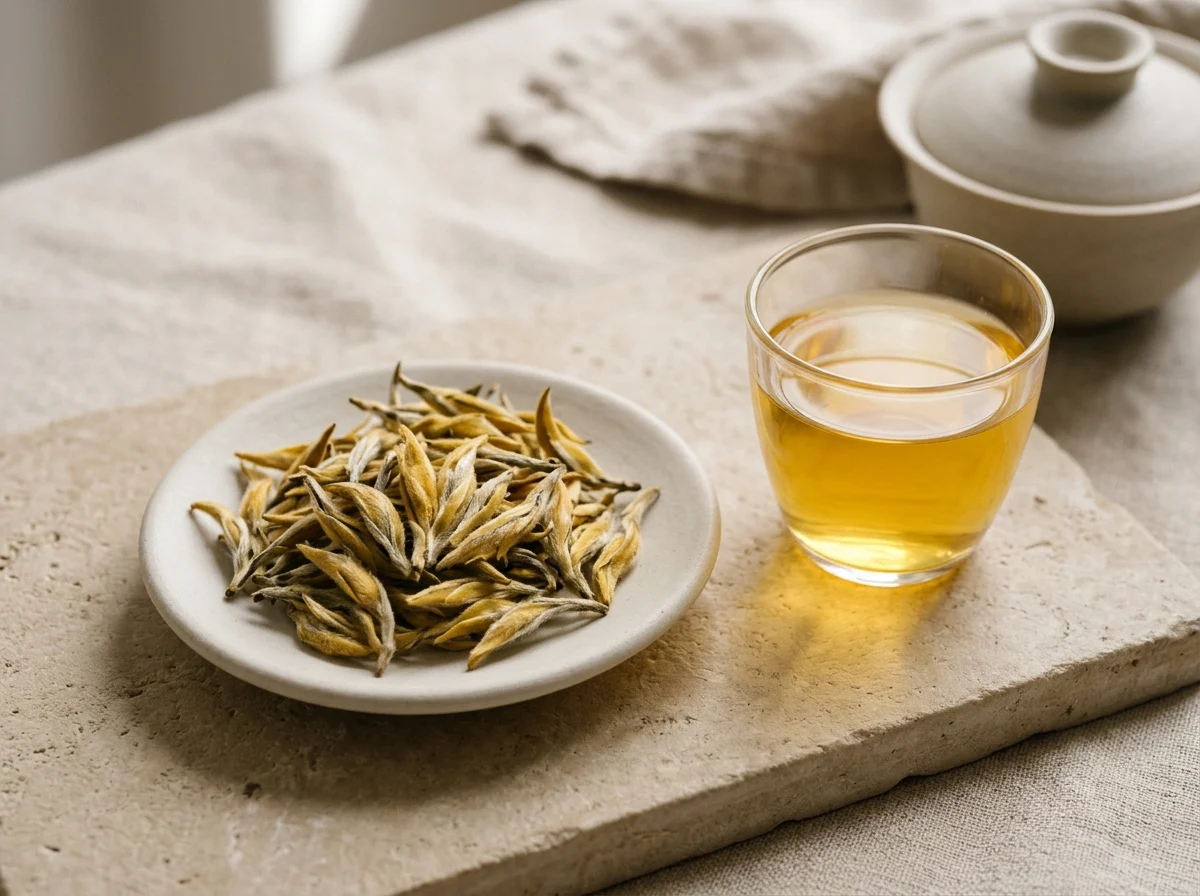
Golden-yellow Junshan Yinzhen yellow tea buds beside bright warm golden liquor
Curatorial Visual (AI Generated)
Yellow Tea Specimen: post-fixation wet-heat yellowing yields mellow sweetness and golden-amber liquor.Six Families Unified Still-Life Series (AI Generated)
Process Sequence: Fixation → Initial Drying/Rolling → Wet-Heat Yellowing (Menhuang) → Final Drying

Its defining step, menhuang (yellowing), occurs AFTER heat fixation when PPO enzymes are already inactivated. Wrapped warm and moist, non-enzymatic thermal-chemical shifts degrade chlorophyll and mellow astringent catechins.

Retains spring delicacy without grassy sharpness, offering toasted rice, sweet corn silk, and a remarkably smooth, gentle broth.

Yellow tea is NOT simply 'lightly fermented green tea.' Yellowing is a non-enzymatic wet-heat transformation fundamentally distinct from enzymatic oxidation.

04 · Oolong Tea (Qingcha)

Liquor
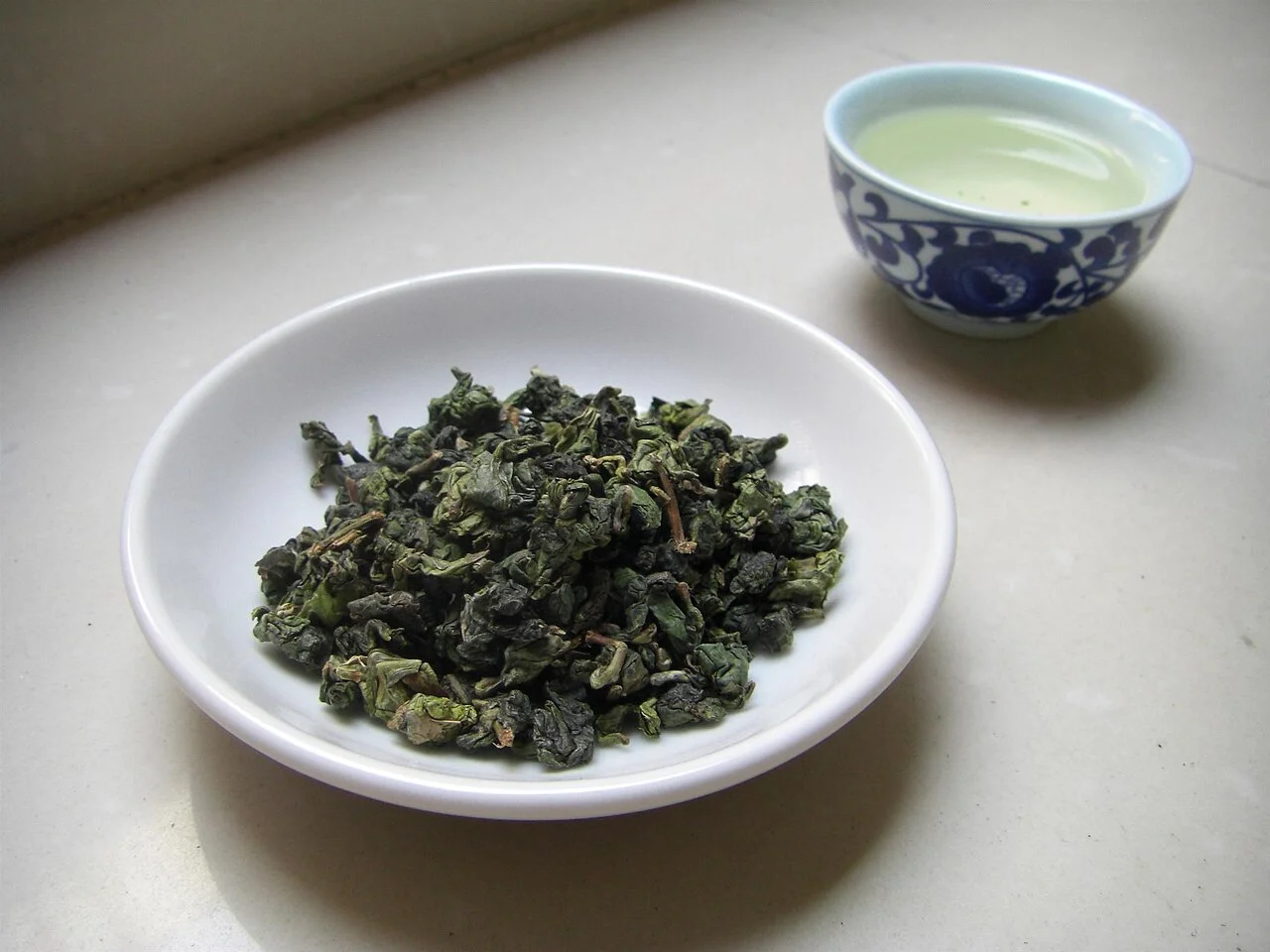
Tightly rolled Anxi Tieguanyin oolong tea leaves photograph
Museum Open Access · CC0 · Wikimedia Commons
Oolong Specimen (Tieguanyin): partially oxidized, cloth-rolled into dense olive-green spheres.Quelcrime · Wikimedia Commons (Public Domain) · Source
Process Sequence: Sun Withering → Shaking & Resting (Zuoqing) → Fixation → Rolling → Roasting

Alternating cycles of tossing and resting (zuoqing) bruise leaf margins into partial enzymatic oxidation ('green leaf with red edge') while the leaf center remains active; thermal fixation arrests oxidation at peak aroma, often followed by charcoal roasting.

Spanning bright orchid and creamy gardenia to deep roasted cacao and mineral stone resonance—the broadest aromatic spectrum in tea.

Oolong diversity cannot be explained by oxidation level (15%–70%) alone; varietal genetics and roast intensity dramatically reshape a tea's character.

05 · Black Tea (Hongcha)

Liquor
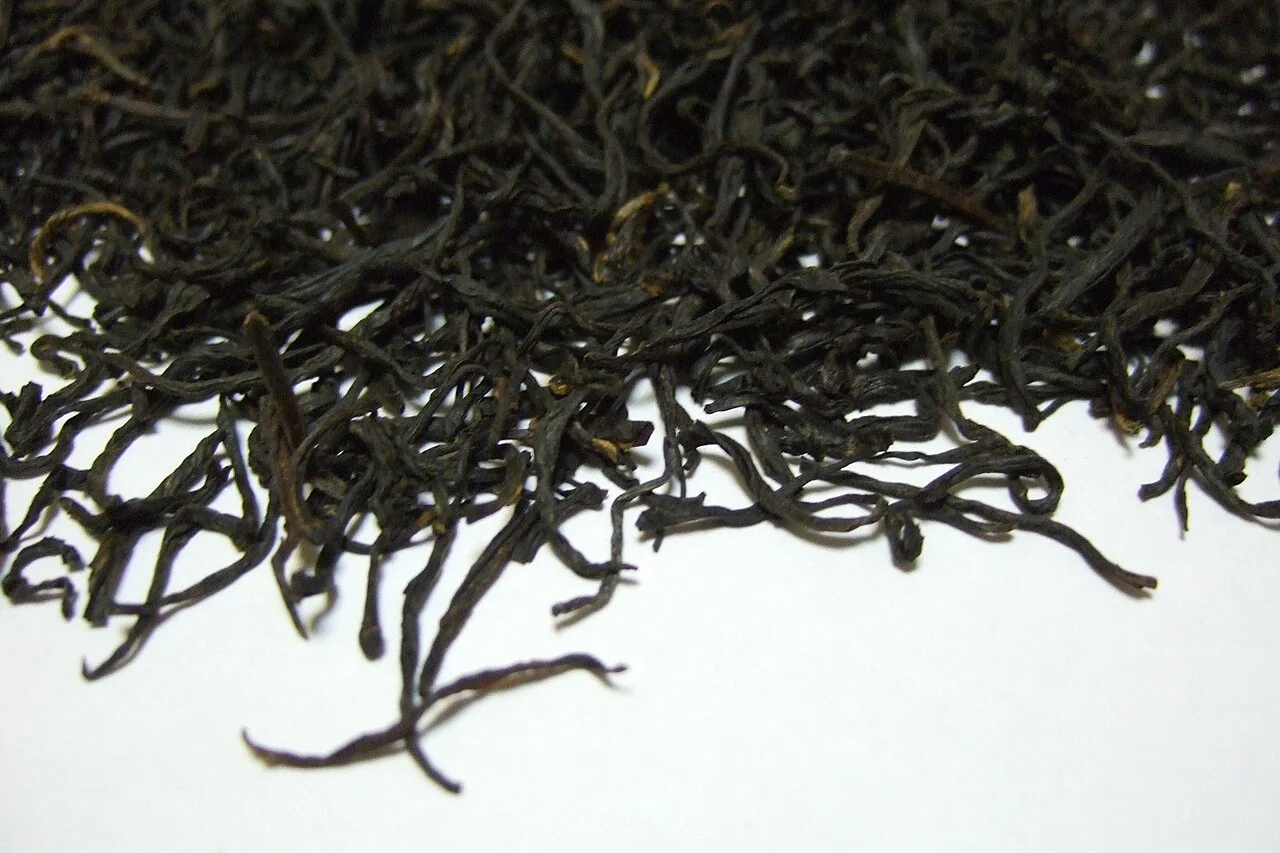
Fine wiry Keemun (Qimen) black tea leaves photograph
CC BY-SA 4.0 · Wikimedia Commons
Black Tea (Hongcha) Specimen: fully oxidized Keemun leaves displaying slender dark sheen.Whiteness · Wikimedia Commons (CC BY-SA 4.0) · Source
Process Sequence: Withering → Rolling (or CTC) → Full Enzymatic Oxidation → Drying

Heavy rolling ruptures leaf cells completely, allowing PPO enzymes in warm humid air to oxidize catechins deeply into bright theaflavins and rich thearubigins before high-heat drying.

Honeyed sweet potato, malt, rose, cacao, or pine smoke over glowing copper-ruby liquor with smooth, comforting structure.

Black tea relies on endogenous leaf enzymes (oxidation), NOT microbial fermentation—a crucial distinction from Chinese Dark Tea and ripe Pu-erh.
Terminology Note: What Chinese calls Hongcha ('red tea', named for its amber-crimson liquor) is termed 'Black Tea' in English (from its dark dry leaf). Do not confuse this with Chinese 'Dark Tea' (Heicha).

06 · Dark Tea (Heicha)

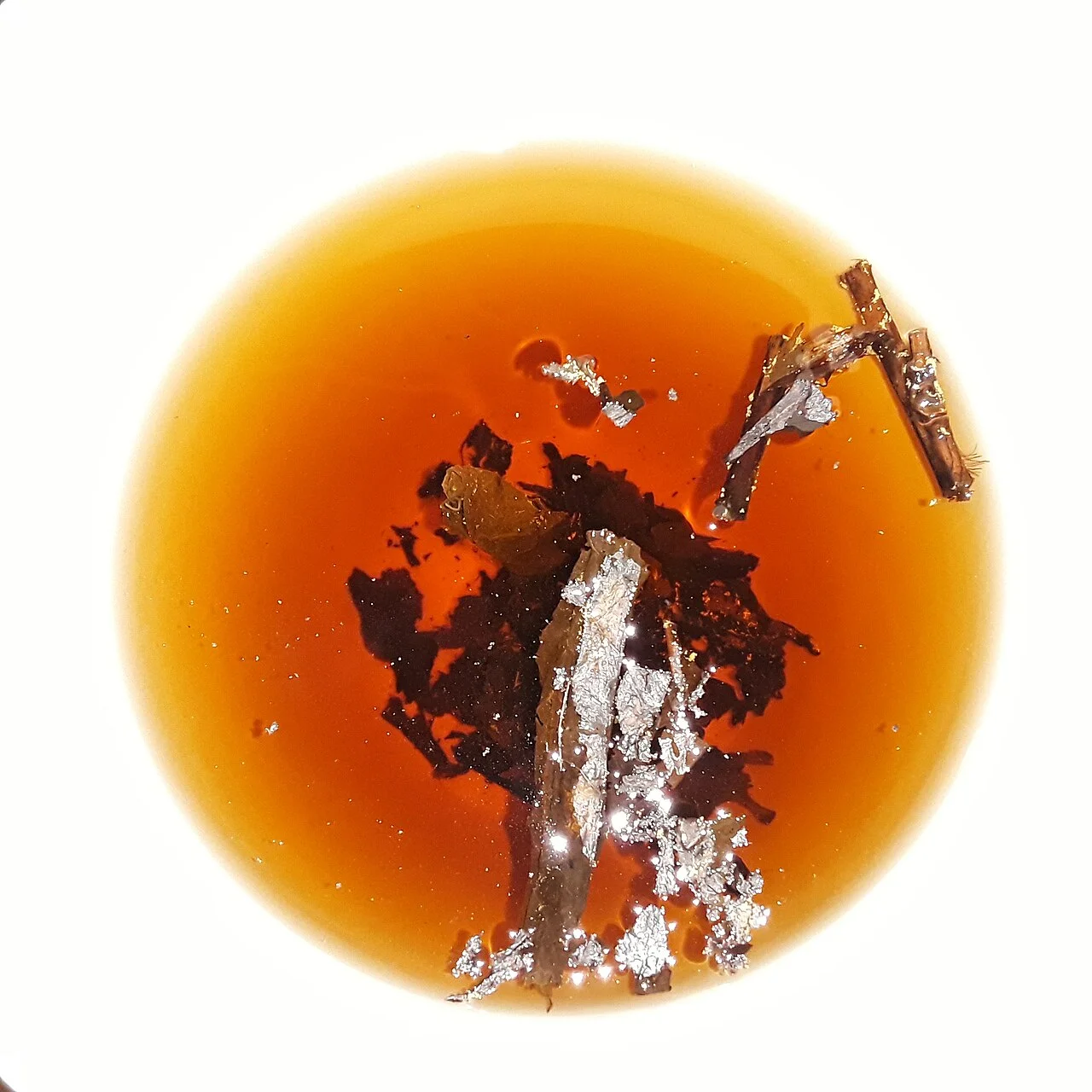
Liquor
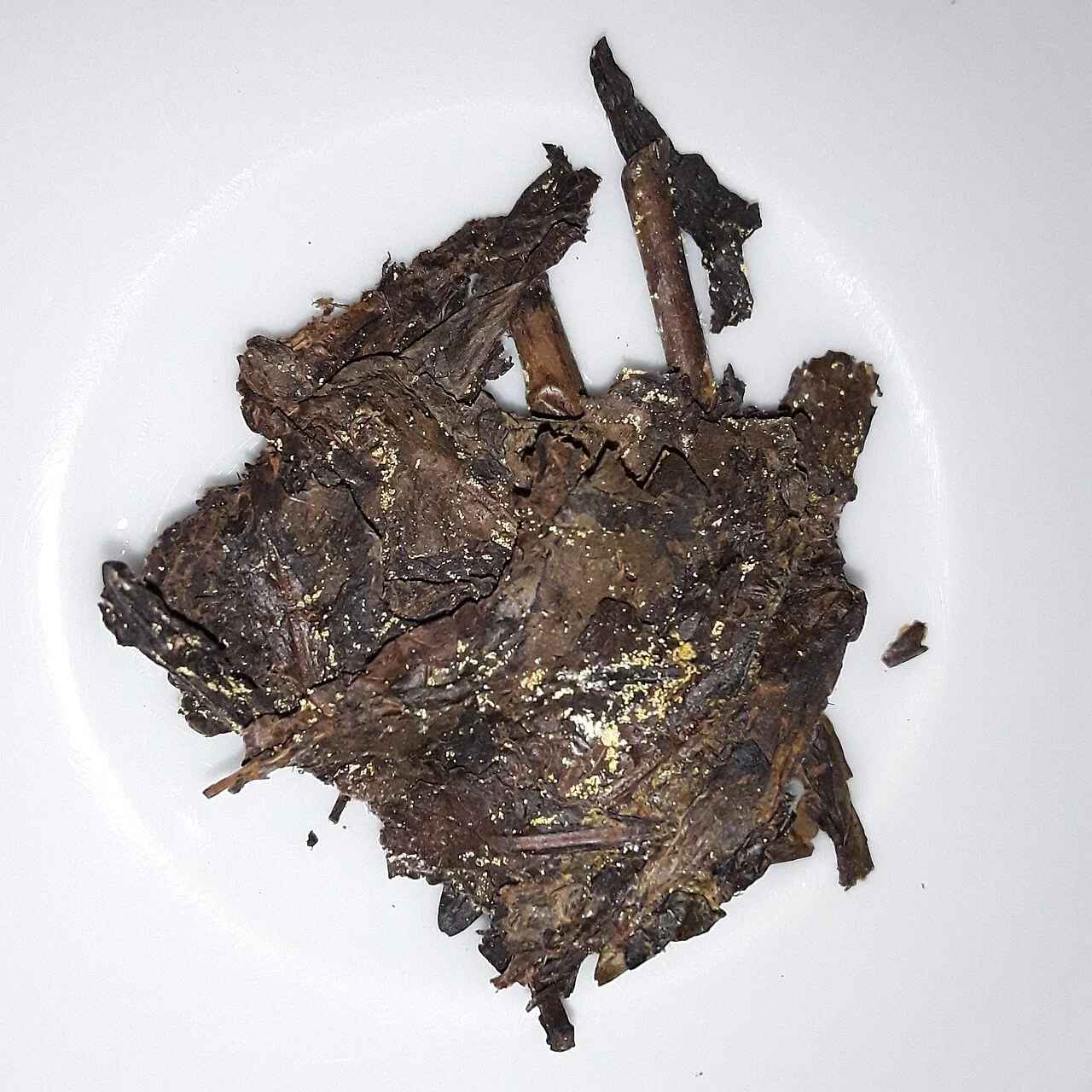
Anhua Fuzhuan dark tea brick showing fermented leaf compression
CC BY-SA 4.0 · Wikimedia Commons
Dark Tea (Heicha) Specimen: Anhua Fuzhuan brick transformed by post-fixation microbial fermentation.Kasuga · Wikimedia Commons (CC BY-SA 4.0) · Source
Process Sequence: Fixation → Rolling → Wet-Piling (Wodui Microbial Fermentation) → Pressing & Aging

Coarser shoots are first heat-fixed, then piled wet and warm so beneficial fungi and bacteria (including Aspergillus and Eurotium cristatum, 'golden flowers') enzymatically break down polyphenols and starches into mellow, earthy compounds.

Aged timber, damp forest floor, golden-flower fungal sweetness, betel-nut aroma, or sweet dates over deep mahogany liquor.

Dark tea is not haphazardly 'moldy leaf'; it is controlled solid-state microbial fermentation governed by temperature, moisture, and turning intervals.
Terminology Note: Chinese 'Heicha' (Anhua, Liubao, ripe Pu-erh) is accurately translated as 'Dark Tea' or 'Post-fermented Tea'—distinct from English 'Black Tea' (Chinese Hongcha).

Non-Linear Processing Comparison Matrix

Why Processing Cannot Be Reduced to a 0%–100% Oxidation Line

Unit OperationGreen TeaWhite TeaYellow TeaOolong Tea (Qingcha)Black Tea (Hongcha)Dark Tea (Heicha)
Withering
Moisture reduction & aroma buildup
Brief spreading onlyCore step (36–72 hrs)Brief spreadingSun + indoor witheringEssential (12–18 hrs)Usually skipped
Fixation (Shaqing)
Denatures polyphenol oxidase
First core stepNone (preserves latent enzymes)Fixed before yellowingFixed after bruising peakNone before oxidationFixed before microbial piling
Rolling / Bruising
Cell disruption & shaping
Light rolling or pan-shapingNone (intact leaf)Light or noneCyclic bruising + ball/strip rollingHeavy rolling (or CTC)Primary & secondary rolling
Enzymatic Oxidation
Endogenous leaf PPO catalysis
Arrested (<5%)Mild natural (~5%–15%)Minimal prior to fixationPartial edge oxidation (15%–70%)Deep core oxidation (>80%)Minor prior to fixation
Yellowing (Menhuang)
Post-fixation moist-heat chemistry
NoneNoneDefining step (hours to days)NoneNoneReplaced by microbial piling
Microbial Post-Fermentation
Exogenous fungal/bacterial enzymes
NoneSlow passive aging onlyNoneNoneNone (enzymatic, not microbial)Defining step (wet-piling / blooming)
Artisanal Roasting
Maillard aroma & moisture lock
Gentle dryingLow-heat dryingThorough dryingSignature flavor shaping (light–heavy)Drying (or pine-smoke kilning)Pine-hearth or hot-air drying

Taxonomic Clarification

Why Pu-erh, Matcha, Jasmine, Earl Grey & Darjeeling Are Not Separate Base Families

Not sure? Take 30-Sec Tea Quiz →

In retail parlance, Pu-erh, Jasmine, Matcha, and Earl Grey are often listed beside Green and Black tea. Scientifically, jasmine, Earl Grey, and Xiaoqinggan are reprocessed scented/blended teas; matcha, sencha, gyokuro, and hojicha belong to green tea; Darjeeling, Assam, Ceylon Uva, and Kenyan CTC are regional black teas; and Pu-erh spans sun-dried green-origin raw cakes and microbially fermented ripe dark tea.

Yunnan, China
Raw Pu-erh (Sheng Pu-erh)

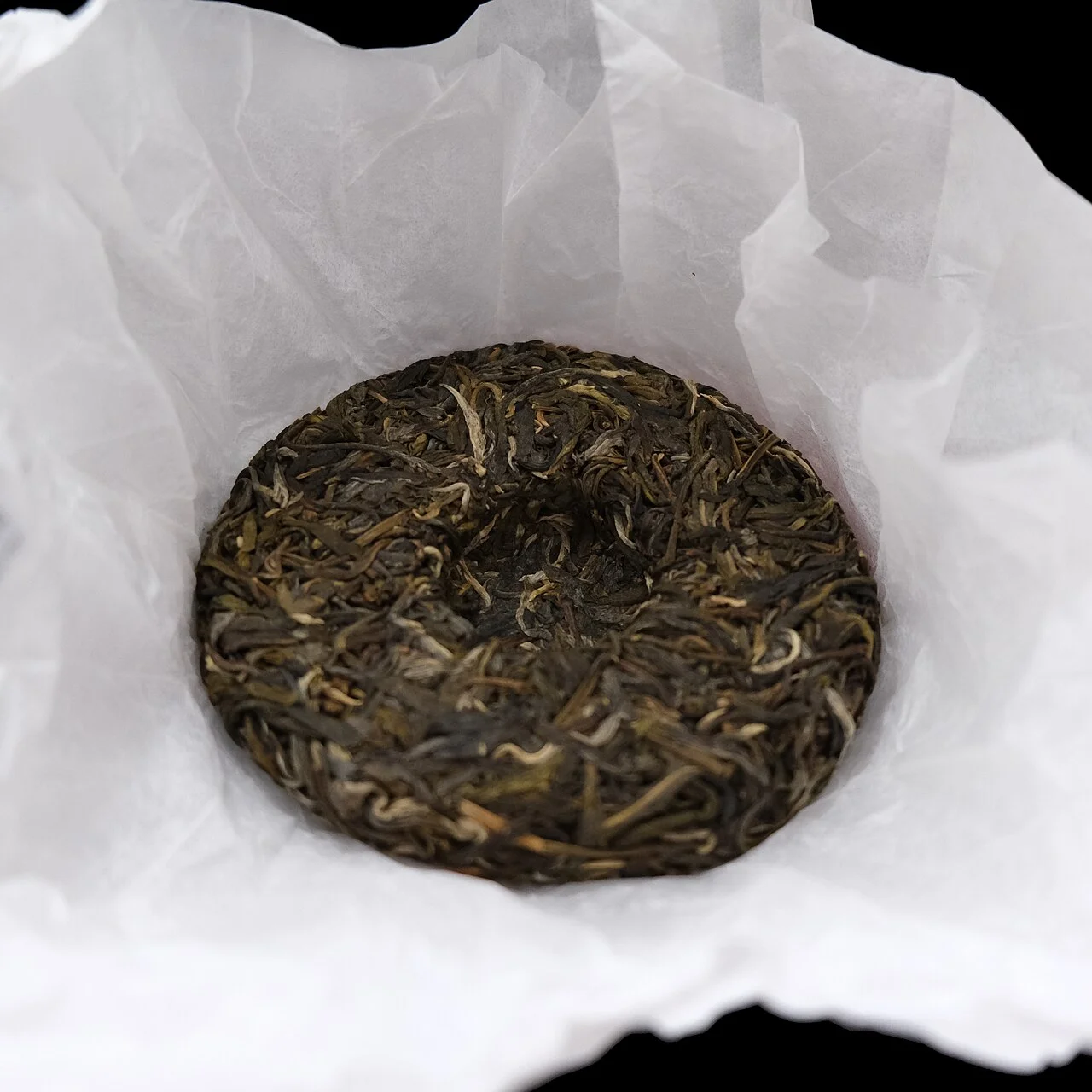
Taxonomy Note: Raw Pu-erh is NOT a separate seventh base category. Under Chen Chuan's six-family taxonomy, freshly made Sheng Pu-erh is produced from Yunnan large-leaf shoots via moderate pan-fixation, rolling, and sun-drying (shaiqing)—a specialized green-tea branch that intentionally leaves trace enzymatic and microbial activity intact before steaming, compression, and years of ambient aging.

Yunnan, China
Ripe Pu-erh (Shu Pu-erh)

Taxonomy Note: Mechanistically, Ripe Pu-erh belongs squarely to the Dark Tea (Heicha) family rather than forming a separate category. Developed in 1973–1975 at Kunming and Menghai tea factories by adapting wet-piling methods from Liubao and Hunan dark teas, it accelerates the microbial fermentation of Yunnan sun-dried maocha over 45–60 days; it is displayed here alongside Raw Pu-erh for direct comparative contrast.

Fujian, China
Fuzhou Jasmine Tea

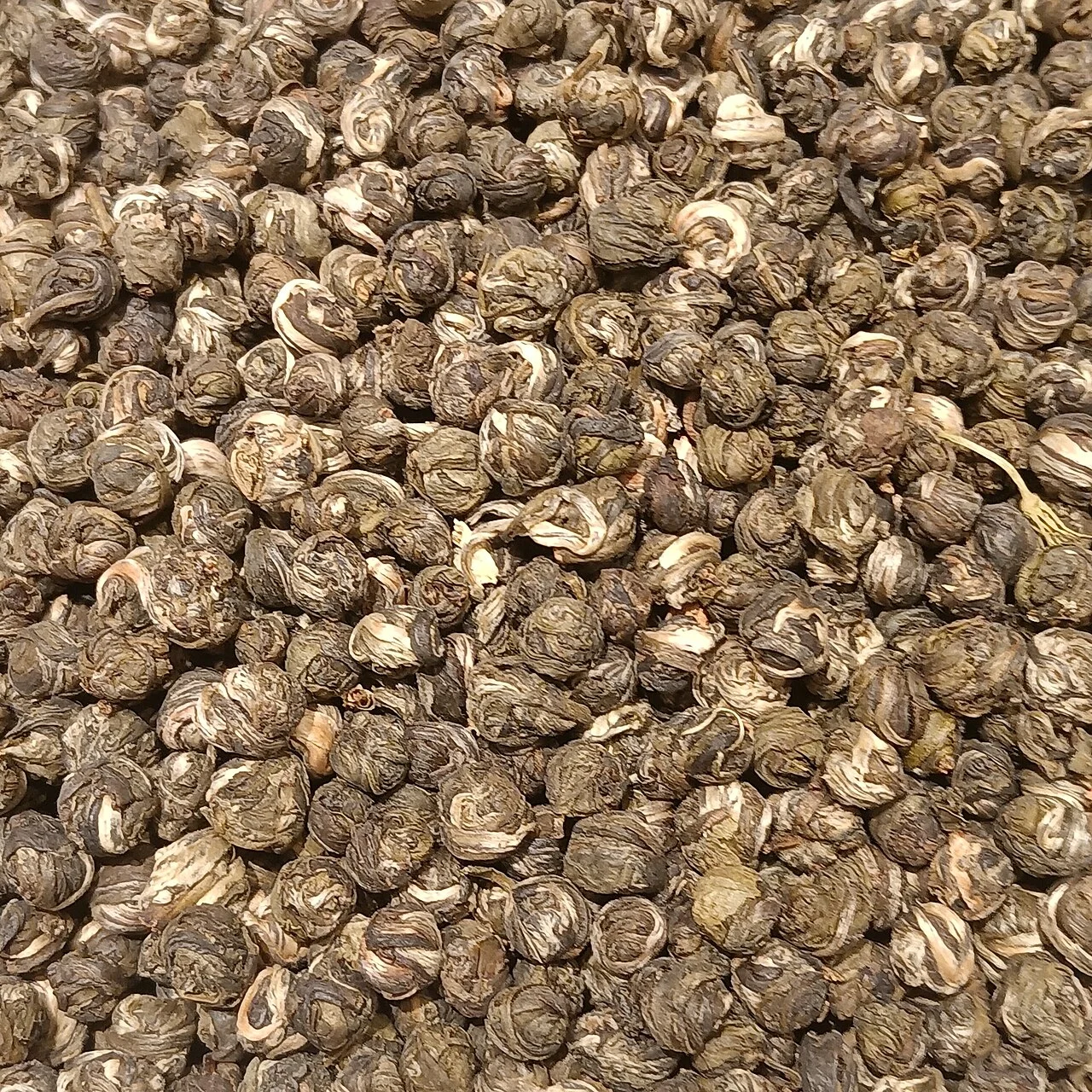
Taxonomy Note: In both Chen Chuan's taxonomy and China's UNESCO intangible heritage classification, Jasmine Tea is a REPROCESSED TEA (Scented Tea), not a seventh base family. It begins with a finished baked green tea base (occasionally white tea) that absorbs volatile fragrance molecules emitted by fresh jasmine blossoms through repeated scenting cycles (xunzhi) before spent petals are sifted away.

Kyoto, Japan
Uji Matcha

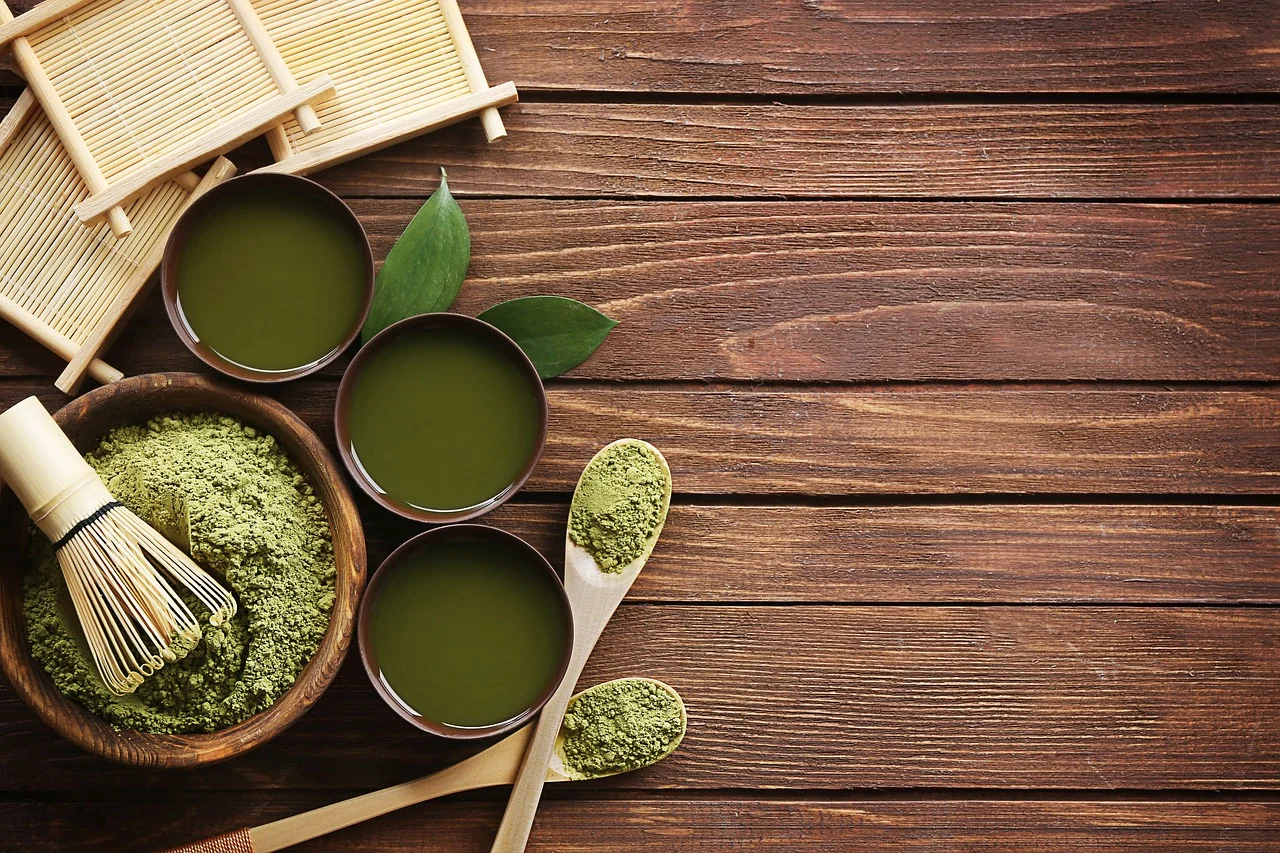
Taxonomy Note: Botanically and procedurally, Matcha belongs to the STEAMED GREEN TEA family rather than an independent base category. Descended from Song-dynasty steamed whipped-tea practices, Uji Matcha represents a specialized regional green-tea form defined by pre-harvest shade cultivation, unrolled steaming into tencha, and stone-milling into whole-leaf suspension powder.

Japan
Japanese Sencha

Taxonomy Note: Sencha sits squarely inside the STEAMED GREEN TEA family. Invented in 1738 by Nagatani Sōen in Uji—who combined steaming with hand-rolling to create loose emerald needles—it is Japan's defining everyday regional green-tea style rather than an independent base taxonomy.

Japan
Japanese Gyokuro (Jade Dew)

Taxonomy Note: Gyokuro belongs firmly to the STEAMED GREEN TEA family rather than a separate classification. Created in Uji in 1835 by grafting matcha's multi-week pre-harvest shading onto sencha's steamed loose-leaf rolling craft, it represents the most intensely savory-sweet regional expression of green tea.

India
Darjeeling Black Tea

Taxonomy Note: Darjeeling falls within the BLACK TEA (Hongcha) family rather than an independent base category, yet represents a fascinating regional hybrid in craft: planted predominantly with Chinese small-leaf var. sinensis stock in the Himalayan foothills, many spring 'First Flush' lots undergo heavy withering and abbreviated oxidation (~50%–75%)—producing floral, brisk flavors bridging black tea and oolong.

India
Assam Black Tea

Taxonomy Note: Mechanistically, Assam is firmly a member of the BLACK TEA (Hongcha) family. Featured in this extended wing for its botanical and industrial significance, Assam utilizes indigenous lowland Camellia sinensis var. assamica and branches into whole-leaf Orthodox tea alongside mechanized Crush-Tear-Curl (CTC) granules—the industrial engine of global milk-tea and teabag taste.

Sri Lanka
Ceylon Uva Highland Black Tea

Taxonomy Note: Uva belongs squarely to the BLACK TEA (Hongcha) family. Grown above 1,200 m on Sri Lanka's eastern slopes, it ranks alongside Keemun and Darjeeling among the world's most aromatic classic black teas.

Kenya
Kenyan Highland Black Tea (CTC & Orthodox)

Taxonomy Note: Kenyan tea sits inside the BLACK TEA family. As the world's largest exporter of black tea (~650k tonnes annually via Mombasa auctions), Kenya exemplifies tropical equatorial highland agronomy and high-yield CTC craft.

Japan
Japanese Hojicha (Roasted Green Tea)

Taxonomy Note: Hojicha is a ROASTED GREEN TEA specialty—crafted by roasting finished sencha, coarse bancha, or tea stems (kukicha) at ~200°C. High heat volatilizes much of the caffeine while triggering Maillard caramelization.

United Kingdom (Blend)
Earl Grey (Bergamot-Scented Black Tea)

Taxonomy Note: Earl Grey is a SCENTED/FLAVORED BLACK TEA—built on a Chinese, Ceylon, or Indian black tea base infused with cold-pressed essential oil of Mediterranean bergamot orange (Citrus bergamia).

Guangdong & Yunnan, China
Xinhui Xiaoqinggan (Green Mandarin Ripe Pu-erh)

Taxonomy Note: Xiaoqinggan is a modern REPROCESSED COMPOSITE TEA—stuffing aged Yunnan Ripe Pu-erh (Dark Tea) inside hollowed unripe Xinhui mandarin peels and co-drying them so citrus essential oils fuse with velvety post-fermented leaf.

Interactive Flavor & Terroir Explorer

Navigate 50 Representative Teas by Family, Aroma, Palate & Origin

Showing 50 of 50 teas

Green TeaZhejiang, China
Flat emerald-green Longjing leaves beside a porcelain cup of pale jade tea liquor

West Lake Longjing (Dragon Well)

West Lake Hills, Hangzhou (Shifeng, Longjing, Yunqi, Hupao, Meijiawu)

Brisk yet rounded on the palate, pairing savory-sweet broth with crisp clarity and a lingering, clean finish.

80–85°C · 45–60 s first steep, +15 s thereafterInspect →
Green TeaJiangsu, China
Flat emerald-green Longjing leaves beside a porcelain cup of pale jade tea liquor

Dongting Biluochun (Green Snail Spring)

East & West Dongting Peninsulas, Lake Taihu, Suzhou

Velvety, high-amino-acid broth that coats the palate with brisk sweetness and virtually no harshness.

75–80°C · 40–60 sInspect →
Green TeaAnhui, China
Flat emerald-green Longjing leaves beside a porcelain cup of pale jade tea liquor

Huangshan Maofeng (Yellow Mountain Fur Peak)

Huangshan Highlands (Taohuafeng, Tangkou, Fuxi), Anhui

Clean, buoyant, and gently sweet with minimal astringency and a lingering floral aftertaste.

80–85°C · 45–60 sInspect →
Green TeaHenan, China
Flat emerald-green Longjing leaves beside a porcelain cup of pale jade tea liquor

Xinyang Maojian

Northern Dabie Mountains, Xinyang (Five Clouds, Two Pools, One Peak)

Noticeably brisker and fuller-textured than delicate Jiangnan greens, delivering crisp vitality followed by rapid sweetness.

80–85°C · 40–55 sInspect →
Green TeaZhejiang, China
Flat emerald-green Longjing leaves beside a porcelain cup of pale jade tea liquor

Anji Baicha (Anji 'White' Tea)

Anji County, Huzhou (Xilong, Tianhuangping), Zhejiang

Silky, profoundly savory-sweet broth with an almost complete absence of bitterness or astringency.

80–85°C · 45–60 sInspect →
White TeaFujian, China
Silver-downy Baihao Yinzhen white tea buds beside crystalline pale champagne liquor

Silver Needle (Baihao Yinzhen)

Fuding (Mount Taimu) & Zhenghe, Fujian

Silky, viscous yet airy sweetness that glides across the tongue with negligible astringency.

85–90°C · 45–60 s first steep, +15–20 s thereafterInspect →
White TeaFujian, China
Silver-downy Baihao Yinzhen white tea buds beside crystalline pale champagne liquor

White Peony (Baimudan)

Fuding, Zhenghe, Jianyang & Songxi, Fujian

Fuller-bodied than Silver Needle, pairing bright floral sweetness upfront with round leaf structure and graceful aging potential.

88–95°C · 30–40 s first steep, gradually extendingInspect →
White TeaFujian, China
Silver-downy Baihao Yinzhen white tea buds beside crystalline pale champagne liquor

Fuding Shoumei (Longevity Eyebrow)

Fuding Coastal Hills & Mountain Valleys, Fujian

Pectin-rich, rounded, and soothingly sweet—robust enough for multiple gongfu infusions or gentle simmering.

95–100°C · 30 s initial steep, 8+ infusions or 3-min simmerInspect →
Yellow TeaHunan, China
Golden-yellow Junshan Yinzhen yellow tea buds beside bright warm golden liquor

Junshan Yinzhen (Junshan Silver Needle)

Junshan Island, Lake Dongting, Yueyang, Hunan

Remarkably gentle and broth-like—all raw grassy astringency mellows into silky rice-water sweetness.

85–90°C · 60–90 s first steep (watch buds rise and settle)Inspect →
Yellow TeaSichuan, China
Golden-yellow Junshan Yinzhen yellow tea buds beside bright warm golden liquor

Mengding Huangya (Mengding Yellow Buds)

Mount Mengding, Ya'an, Sichuan

Rich, sweet, and supple, combining yellow-tea gentleness with subtle pan-fired body.

85°C · 45–60 sInspect →
Yellow TeaAnhui, China
Golden-yellow Junshan Yinzhen yellow tea buds beside bright warm golden liquor

Huoshan Huangya (Huoshan Yellow Buds)

Huoshan, Dabie Mountains, Anhui

Lively yet rounded—marrying mountain spring crispness with yellow tea's signature smooth finish.

85°C · 45–60 sInspect →
Oolong Tea (Qingcha)Fujian, China
Tightly rolled Anxi Tieguanyin oolong tea leaves photograph

Anxi Tieguanyin (Iron Goddess of Mercy)

Anxi County (Xiping, Xianghua, Gande), Fujian

Coating and vibrant with crisp mineral briskness, blooming into cooling sweetness deep in the throat.

95–100°C · 20–30 s first steep, +10 s per infusionInspect →
Oolong Tea (Qingcha)Fujian, China
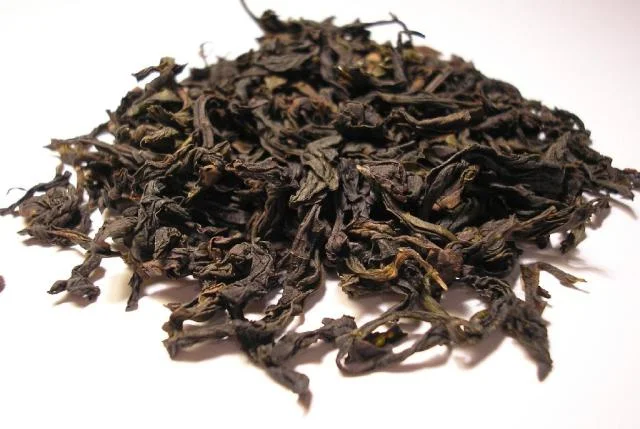
Roasted dark twisted Wuyi Da Hong Pao oolong tea leaves

Wuyi Dahongpao (Big Red Robe Rock Oolong)

Danxia Sandstone Gorges, Mount Wuyi (Jiulongke, Huiyuankeng), Fujian

Structured, full-bodied, and mineral-driven—firm rock-bone grip gives way to warm, lingering sweetness.

98–100°C · 10–15 s flash steeps for first 3 rounds, +10 s laterInspect →
Oolong Tea (Qingcha)Guangdong, China
Tightly rolled Anxi Tieguanyin oolong tea leaves photograph

Phoenix Dancong (Fenghuang Dancong)

Mount Fenghuang (including Wudong Peak), Chaozhou, Guangdong

Electric, crisp mountain resonance with brisk phenolic backbone that flashes into sweet floral length.

95–100°C · 5–10 s flash infusions initially; avoid over-steepingInspect →
Oolong Tea (Qingcha)Taiwan, China
Roasted dark twisted Wuyi Da Hong Pao oolong tea leaves

Dongding Oolong (Frozen Summit)

Lugu Township, Nantou (Dongding Ridge), Taiwan

Creamy, balanced, and deeply comforting—gentle roast sweetness softens any edge into a smooth, lingering throat feel.

92–96°C · 35–45 s first steep, +10–15 s thereafterInspect →
Oolong Tea (Qingcha)Taiwan, China
Tightly rolled Anxi Tieguanyin oolong tea leaves photograph

Oriental Beauty (Dongfang Meiren / Baihao Oolong)

Hsinchu (Beipu, Emei) & Miaoli Foothills, Taiwan

Silky, nectar-like, and completely smooth, wrapping ripe orchard fruit sweetness in an airy finish.

85–90°C · 35–45 s; avoid boiling water to protect delicate honey aromaticsInspect →
Black Tea (Hongcha)Fujian, China
Fine wiry Keemun (Qimen) black tea leaves photograph

Lapsang Souchong (Zhengshan Xiaozhong)

Tongmuguan Valley, Wuyi Mountains, Fujian

Rounded, warming, and remarkably smooth—well-made smoked lots weave pine resin seamlessly into sweet longan broth without acridity.

90–95°C · 15–25 s first steep, +10 s thereafterInspect →
Black Tea (Hongcha)Anhui, China
Fine wiry Keemun (Qimen) black tea leaves photograph

Keemun Black Tea (Qimen Hongcha)

Qimen County (Likou, Zhukou, Pingli), southern Anhui

Balanced, velvety, and gently brisk—subtle enough to drink straight for its rose-petal complexity, yet structured for classic afternoon blends.

90–95°C · 20–30 s gongfu; 3 min western teapotInspect →
Black Tea (Hongcha)Yunnan, China
Fine wiry Keemun (Qimen) black tea leaves photograph

Yunnan Dianhong (Yunnan Golden Black Tea)

Lincang (Fengqing), Baoshan & Pu'er, Yunnan

Full-bodied, malty, and generously sweet—robust enough for hearty single-origin sipping or milk pairings.

90–95°C · 15–25 s first steep, +10 s thereafterInspect →
Black Tea (Hongcha)Fujian, China
Fine wiry Keemun (Qimen) black tea leaves photograph

Jin Jun Mei (Golden Steed Eyebrow)

High-Elevation Tongmuguan, Wuyi Mountains, Fujian

Silky, concentrated sweetness with bright mountain crispness and an aromatic empty-cup finish.

85–90°C (never boil-stew) · 5–10 s quick infusions initiallyInspect →
Dark Tea (Heicha)Hunan, China
Anhua Fuzhuan dark tea brick showing fermented leaf compression

Anhua Fuzhuan Brick Tea (Golden Flower Dark Tea)

Anhua County, Zijiang River Basin, Hunan

Velvety, sweet, and remarkably digestible; microbial enzymes tame coarse leaf astringency into a comforting, rounded broth.

100°C · 20–30 s after rinse, or simmer gently 3–5 minInspect →
Dark Tea (Heicha)Guangxi, China
Brewed deep amber-red liquor of Anhua Fuzhuan dark tea

Guangxi Liubao Tea

Liubao Town, Cangwu, Wuzhou, Guangxi

Red, rich, aged, and mellow—thick and silky on the tongue yet leaving a subtly cooling sensation in the throat.

100°C · 15–20 s after rinse, +10 s per steepInspect →
Dark Tea (Heicha)Sichuan, China
Anhua Fuzhuan dark tea brick showing fermented leaf compression

Ya'an Kangzhuan (Sichuan Tibetan Dark Brick Tea)

Ya'an (Starting Hub of the Sichuan-Tibet Tea-Horse Road), Sichuan

Exceptionally soft, sweet, and zero-astringency; equally suited to plain boiling or simmering with butter, milk, and salt.

100°C · 30–60 s steep or 5–10 min gentle boilInspect →
Dark Tea (Heicha)Hubei, China
Brewed deep amber-red liquor of Anhua Fuzhuan dark tea

Hubei Qingzhuan Brick Tea

Chibi (Yangloudong Historic Tea Town), Hubei

Hearty, smooth, and lingeringly sweet—prized both plain and simmered with milk across steppe tea traditions.

100°C · 30–45 s steep; 5–8 min simmerInspect →
Special-CraftYunnan, China
Unwrapped compressed Yunnan Pu-erh tea cake

Raw Pu-erh (Sheng Pu-erh)

Xishuangbanna (Menghai, Yiwu), Lincang & Pu'er, Yunnan

Brisk, mineral, and gripping when young with rapid sweet return; decades of aging melt edges into thick, supple broth.

95–100°C · 5–10 s flash infusions initially (avoid over-steeping young cakes)Inspect →
Special-CraftYunnan, China
Unwrapped compressed Yunnan Pu-erh tea cake

Ripe Pu-erh (Shu Pu-erh)

Menghai (Xishuangbanna), Kunming & Lincang, Yunnan

Exceptionally velvety, dense, and soothing with virtually zero bitterness or sharpness.

100°C · 10–15 s after brief rinse, extending graduallyInspect →
Special-CraftFujian, China
Fujian hand-rolled jasmine dragon pearl scented tea

Fuzhou Jasmine Tea

Minjiang River Alluvial Valleys & Surrounding Hills, Fuzhou, Fujian

Crisp rock-sugar sweetness carrying buoyant jasmine throughout the sip and long into the aftertaste.

85–90°C · 35–45 s first steep, +10 s thereafterInspect →
Special-CraftKyoto, Japan
Vibrant green stone-milled Japanese matcha powder

Uji Matcha

Uji & Yamashiro Basin, Kyoto Prefecture, Japan

Rich, creamy umami and lingering natural sweetness with balanced verdant clarity.

75–80°C · Whisk briskly in W/M strokes for 15–20 s with a bamboo chasenInspect →
Special-CraftJapan
Vibrant green stone-milled Japanese matcha powder

Japanese Sencha

Shizuoka, Kagoshima, Uji & Kyushu, Japan

Balances savory umami sweetness against refreshing, clean herbaceous briskness (shibumi).

70–80°C · 45–60 s first steep (30 s for fukamushi); 15 s second steepInspect →
Special-CraftJapan
Vibrant green stone-milled Japanese matcha powder

Japanese Gyokuro (Jade Dew)

Uji (Kyoto), Yame (Fukuoka) & Okabe (Shizuoka), Japan

Steeped cool and slow, it delivers an astonishing concentration of velvety dashi-like umami and lingering sweetness without bitterness.

50–60°C (cool slow steep) · 90–120 s first steep at 55°C; 30 s at 65°C second steepInspect →
Special-CraftIndia
Himalayan Darjeeling whole-leaf tea specimen

Darjeeling Black Tea

Darjeeling Himalayan Foothills (600–2,000 m), West Bengal, India

Light-bodied, vibrant, and wine-like with crisp floral lift—best enjoyed plain without milk.

85–95°C (85°C 1st Flush / 90–95°C 2nd) · 2.5–3 min western steep; 30–45 s gongfuInspect →
Special-CraftIndia
Himalayan Darjeeling whole-leaf tea specimen

Assam Black Tea

Brahmaputra River Valley, Assam, Northeastern India

Assertive, full-bodied, and richly malty—orthodox second-flush lots shine straight, while the sheer phenolic strength of Assam anchors English Breakfast blends and spiced masala chai.

95–100°C · Orthodox: 2.5–3 min; CTC: ~2 min or simmered with milkInspect →
Green TeaAnhui, China
Flat emerald-green Longjing leaves beside a porcelain cup of pale jade tea liquor

Taiping Houkui (Monkey Chief)

Houkeng & Hougang Villages, Huangshan District, Anhui

Remarkably gentle and full-flavored—unbroken cells yield smooth, sweet broth with lingering orchid lift.

80–85°C · 60 s first steep; top up before glass emptiesInspect →
Green TeaAnhui, China
Flat emerald-green Longjing leaves beside a porcelain cup of pale jade tea liquor

Lu'an Guapian (Melon Seed Green Tea)

Jinzhai & Qishan Highlands, Dabie Mountains, Lu'an, Anhui

Richer and more substantial than bud-only greens—mature leaves deliver savory depth, crisp vitality, and lasting sweetness across multiple steeps.

85–90°C · 35–45 s first steep; unusually durable for green teaInspect →
Green TeaHubei, China
Vibrant green stone-milled Japanese matcha powder

Enshi Yulu (Enshi Jade Dew)

Enshi Tujia and Miao Autonomous Prefecture, western Hubei

Crisp, savory, and refreshingly sweet without roasted heaviness, unfolding bright unbroken emerald spent leaves.

75–80°C · 45–60 sInspect →
Green TeaZhejiang, China
Moroccan Atay mint green tea poured from silver pot into glass

Pingshui Gunpowder Green Tea

Pingshui & Eastern Zhejiang Highlands (Shaoxing, Shengzhou)

Bold, brisk, and remarkably concentrated—built to stand up to generous fresh spearmint and sugar in Moroccan Atay.

85–95°C · Brief rinse to open tight pellets, then 1.5–2 min steepInspect →
White TeaYunnan, China
Silver-downy Baihao Yinzhen white tea buds beside crystalline pale champagne liquor

Yunnan Moonlight White (Yueguangbai)

Jinggu (Pu'er), Lincang & Xishuangbanna, Yunnan

Noticeably sweeter, thicker, and more nectar-like than coastal Fujian whites, bridging honeyed black tea warmth with white-tea silkiness.

90–95°C · 20–30 s first steep, gradually extendingInspect →
White TeaFujian, China
Silver-downy Baihao Yinzhen white tea buds beside crystalline pale champagne liquor

Aged White Tea (3–10+ Years)

Fuding & Zhenghe Dry-Stored Aged Cakes & Loose Lots, Fujian

All youthful briskness softens into thick, comforting, jujube-sweet broth equally suited to gongfu steeping or gentle simmering.

95–100°C · 20–30 s steep; or simmer gently 3–5 minInspect →
Yellow TeaAnhui, China
Golden-yellow Junshan Yinzhen yellow tea buds beside bright warm golden liquor

Wanxi Huangdacha (Large-Leaf Yellow Tea)

Huoshan, Jinzhai & Yuexi, Dabie Mountains, western Anhui

Hearty, warming, and remarkably gentle on the stomach—zero astringency, prized for pairing with rich meals.

95–100°C · 1–2 min; forgiving even if steeped longerInspect →
Oolong Tea (Qingcha)Fujian, China
Roasted dark twisted Wuyi Da Hong Pao oolong tea leaves

Wuyi Rougui (Cinnamon Rock Oolong)

Mount Wuyi Danxia Core (Matouyan, Niulankeng, Huiyuankeng), Fujian

Electric, assertive, and fiercely aromatic—spicy lift hits the palate before yielding to crisp mineral grip and cooling sweet return.

98–100°C · 5–10 s flash steeps initiallyInspect →
Oolong Tea (Qingcha)Fujian, China
Roasted dark twisted Wuyi Da Hong Pao oolong tea leaves

Wuyi Shuixian (Narcissus & Old-Bush Rock Oolong)

Wusandi, Huiyuankeng & Shuiliandong, Mount Wuyi, Fujian

Velvety, rounded, and remarkably enduring—softer on the attack than Rougui yet effortlessly yielding ten or more smooth, mineral infusions.

98–100°C · 10–15 s for first 3 steeps, extending graduallyInspect →
Oolong Tea (Qingcha)Taiwan, China
Tightly rolled Anxi Tieguanyin oolong tea leaves photograph

Alishan High-Mountain Oolong

Alishan Highlands (Shizhuo, Xiding, Ruili; 1,000–1,600 m), Chiayi, Taiwan

Silky, sweet, and remarkably refreshing—highland pectin gives soft, coating broth with zero harshness.

92–95°C · 45 s first steep to unfurl tight pearls; 30 s second steepInspect →
Black Tea (Hongcha)Taiwan, China
Fine wiry Keemun (Qimen) black tea leaves photograph

Sun Moon Lake Ruby Black (TTES #18)

Yuchi Township (Sun Moon Lake Basin), Nantou, Taiwan

Vibrant, crisp, and cooling on the finish—shines served straight hot or as crystalline iced black tea.

90–95°C · 20–30 s gongfu; 2–2.5 min teapotInspect →
Black Tea (Hongcha)Guangdong, China
Fine wiry Keemun (Qimen) black tea leaves photograph

Yingde Black Tea (Yinghong No. 9)

Yingde Karst Hills & Beijiang Valley, Guangdong

Generously sweet, thick, and rounded—smoother than Assam straight up, yet bold enough for Cantonese-style milk tea.

92–95°C · 15–20 s gongfu; 2.5–3 min teapotInspect →
Dark Tea (Heicha)Hunan, China
Anhua Fuzhuan dark tea brick showing fermented leaf compression

Anhua Qianliang Tea (Thousand-Tael Pillar)

Anhua County, Zijiang River Basin, Hunan

Structured yet smooth and pectin-rich; youthful lots show crisp vigor that melts after five years into deep, sweet mellowness.

100°C · 20–30 s after rinse; excels when simmered 5 minInspect →
Special-CraftSri Lanka
Himalayan Darjeeling whole-leaf tea specimen

Ceylon Uva Highland Black Tea

Uva Province Highlands (1,200–1,600 m), Sri Lanka

Lively, brisk, and aromatic: OP whole-leaf lots shine plain, while crisp BOP lots cut cleanly through milk or ice.

95–100°C · 2–2.5 min (BOP) or 3 min (OP); do not over-steepInspect →
Special-CraftKenya
Himalayan Darjeeling whole-leaf tea specimen

Kenyan Highland Black Tea (CTC & Orthodox)

Rift Valley Highlands (Kericho, Nandi, Nyeri; 1,500–2,400 m), Kenya

High theaflavin clarity gives brisk brightness rather than flat bitterness—anchoring British everyday teabags and Hong Kong-style milk tea blends.

98–100°C · 1.5–2.5 min for CTC; ideal with milk or spiced chaiInspect →
Special-CraftJapan
Vibrant green stone-milled Japanese matcha powder

Japanese Hojicha (Roasted Green Tea)

Kyoto (originated 1920s), Shizuoka & Kanazawa (Kaga Bōcha), Japan

Virtually zero bitterness or grassy sharpness, naturally low in caffeine, and soothingly sweet—ideal after dinner or paired with milk.

95–100°C · 30–40 s with boiling water; also superb cold-brewedInspect →
Special-CraftUnited Kingdom (Blend)
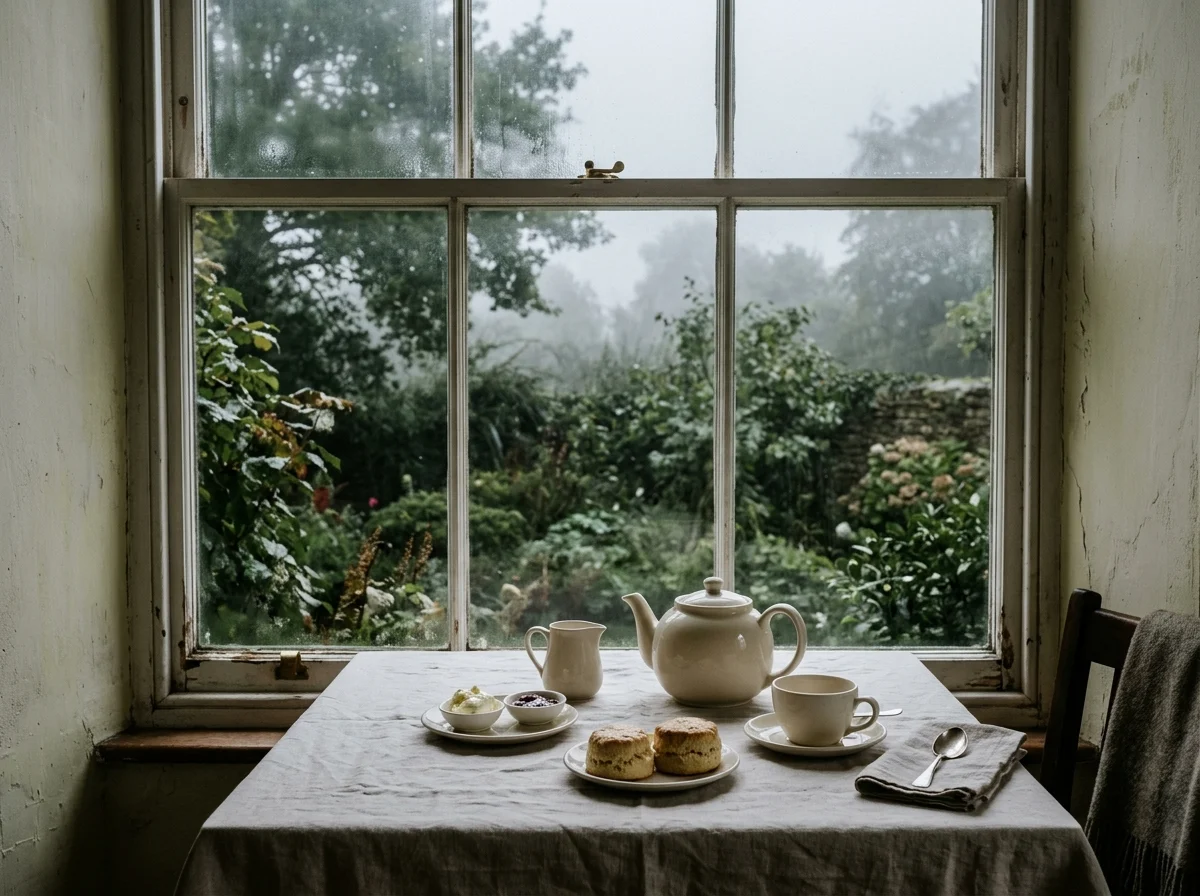
English afternoon tea table beside a sash window with cream bone-china teapot and linen cloth

Earl Grey (Bergamot-Scented Black Tea)

British Blending Tradition (Asian Black Tea + Calabrian Bergamot Oil)

Crisp, aromatic, and refreshing—equally compelling straight, iced, or steamed into a 'London Fog' milk latte.

90–95°C · 2.5–3 min (avoid prolonged steeping so citrus oil stays bright)Inspect →
Special-CraftGuangdong & Yunnan, China
Unwrapped compressed Yunnan Pu-erh tea cake

Xinhui Xiaoqinggan (Green Mandarin Ripe Pu-erh)

Xinhui, Guangdong (Mandarin Peel) & Menghai, Yunnan (Ripe Pu-erh)

Bright citrus zest upfront smoothly anchored by dense, velvety Pu-erh sweetness—remarkably easygoing for desk or travel brewing.

100°C · 15–30 s gongfu; or steep whole in a large pot for 10+ refillsInspect →

Verified References & Provenance

  1. [01] 1979Source

    Chen Chuan's Six-Category Tea Classification (1979) & Camellia sinensis Phylogeography

    Chen Chuan (1979) / Chen Zongmao (ed., China Tea Classic)

    Chen Chuan (1979) established the modern scientific taxonomy of six tea families based on processing mechanisms (enzyme inactivation, withering, yellowing, semi-oxidation, full oxidation, microbial piling) rather than linear fermentation; Chen Zongmao's China Tea Classic synthesizes modern agronomy and tea chemistry.

  2. [02] 2022Source

    Traditional tea processing techniques and associated social practices in China

    UNESCO Intangible Cultural Heritage · Nomination File No. 01884

    Inscribed in 2022; documents the six core Chinese tea categories, reprocessed teas, and their embedded social rituals across 44 national heritage items.

  3. [03] c. 760–780Source

    The Classic of Tea (Chajing) by Lu Yu

    Lu Yu (c. 760–780 CE)

    The earliest surviving systematic monograph on tea, organized into ten chapters covering origins, tools, processing, vessels, boiling, drinking, historical anecdotes, regions, omissions, and scroll diagrams.

  4. [04] 2026Source

    Japan Ministry of Agriculture, Forestry and Fisheries (MAFF) 2025 Green Tea Export Statistics

    Ministry of Agriculture, Forestry and Fisheries of Japan (MAFF)

    Documents record 2025 Japanese green tea exports of JPY 72.1 billion (+98.2% YoY) and 12,612 tonnes, with powdered green tea (led by matcha) representing ~84% of export value.

  5. [05] 2025Source

    International Tea Committee (ITC) & National Tea Boards (Kenya, India, Sri Lanka) 2024–2025 Export Data

    ITC / Tea Board of Kenya / Sri Lanka Tea Board / Tea Board India

    Aggregates 2024–2025 national export benchmarks: Kenya ~652.8k t (~$2.20–$2.27/kg bulk CTC); Sri Lanka ~258k t (~$5.50–$5.83/kg orthodox/value-added); India ~257.9k t (~$3.40/kg).