Aged White Tea (3–10+ Years)
陈年老白茶(三年至十年以上)
Fuding & Zhenghe Dry-Stored Aged Cakes & Loose Lots, Fujian
95–100°C
1:25 gongfu; 1:120 simmered (5 g / 600 ml)
20–30 s steep; or simmer gently 3–5 min
Porcelain gaiwan, Yixing pot, or simmering kettle (10+)
History & Provenance
Popularly described as 'tea in year one, medicine in year three, treasure in year seven' (a folk adage reflecting sensory maturation rather than clinical medical proof), systematically dry-aged Fuding white tea cakes rose to prominence after 2007.
Cultivar & Raw Leaf
Unfixed, unrolled Baimudan, Gongmei, or Shoumei leaves dried below 7% moisture and stored in odor-free, airtight dry conditions over multiple years.
Processing Craft
Standard withering and gentle drying—often steamed and pressed into cakes then re-dried cleanly—followed by years of slow, clean ambient oxidation (distinct from artificial wet-heat 'speed-aging').
Dry Leaf Appearance
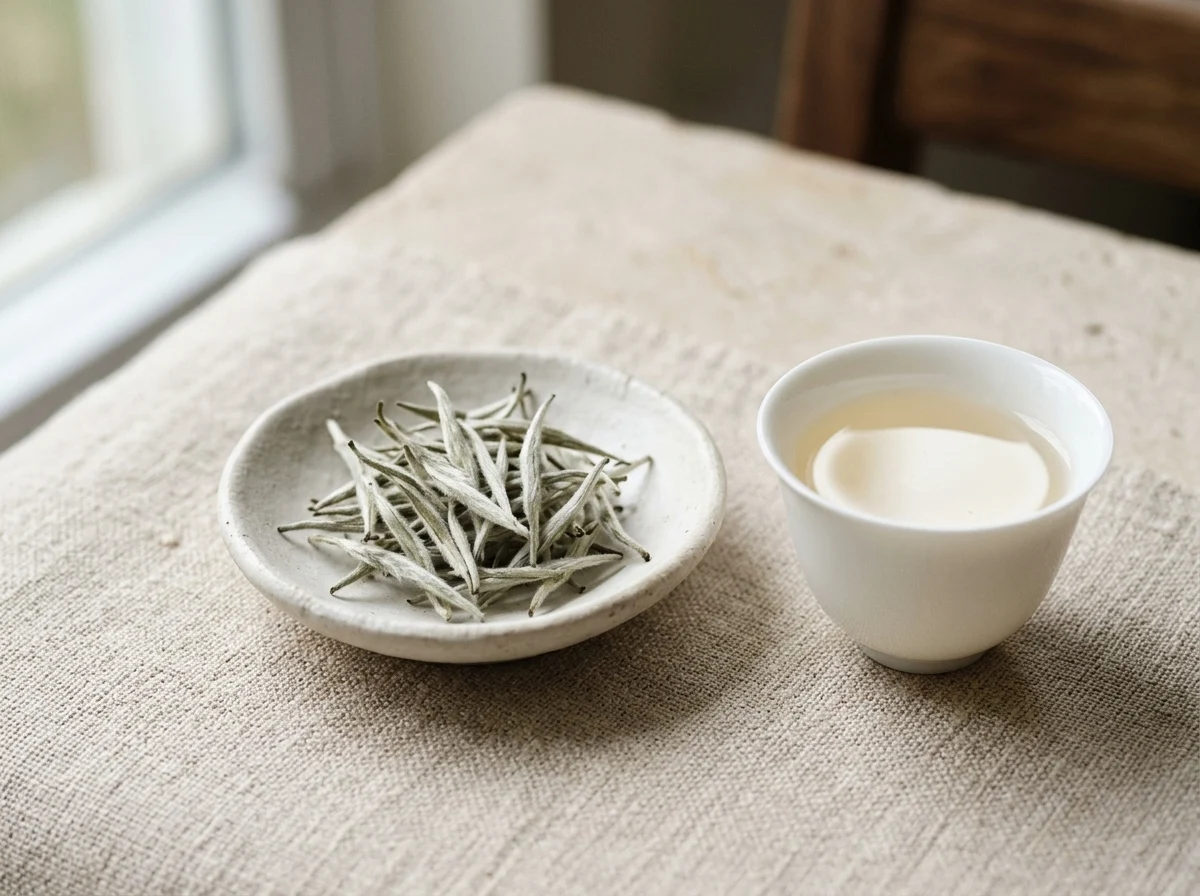
Mottled antique bronze, olive-russet, and chestnut tones; authentic natural aging preserves multi-hued leaf variation rather than uniform dull black.
Brewed Liquor Color
Warm deep amber to luminous garnet-copper.
Aroma & Palate Profile
Warm dried red jujube, sweet licorice wood, caramelized longan, and clean sun-cured straw. — All youthful briskness softens into thick, comforting, jujube-sweet broth equally suited to gongfu steeping or gentle simmering.
Practical Buyer & Drinker Guide
Price Benchmarks, Authenticity Tips & Storage
Reference Price Range
3–5 yr Shoumei cakes ~$30–$75 (350g); verifiable 8+ yr dry-aged lots ~$90–$300+
Authenticity & Buying Tips
Beware artificially baked 'instant-aged' white tea: it shows uniform scorched-black leaves, sour roasted odor, and fades in three steeps, unlike authentic multi-hued aged cakes.
Home Storage Advice
Keep strictly dry and odor-free in sealed foil pouches inside clean cartons—never expose to humid basements or kitchen smells.
Related Teas in This Category
Pure pekoe down, sun-warmed meadow hay, and delicate wildflower honey; aged lots develop subtle warm herb and nectar notes.
Sweet pekoe layered with white blossom, ripe melon, and gentle sweet hay.
Toasted hay and orchard sweetness in youth, evolving with age into unmistakable dried red jujube, sweet herb, and warm timber.
Verified References & Provenance
- [01] 1979Source
Chen Chuan's Six-Category Tea Classification (1979) & Camellia sinensis Phylogeography
Chen Chuan (1979) / Chen Zongmao (ed., China Tea Classic)
Chen Chuan (1979) established the modern scientific taxonomy of six tea families based on processing mechanisms (enzyme inactivation, withering, yellowing, semi-oxidation, full oxidation, microbial piling) rather than linear fermentation; Chen Zongmao's China Tea Classic synthesizes modern agronomy and tea chemistry.
- [02] 2022Source
Traditional tea processing techniques and associated social practices in China
UNESCO Intangible Cultural Heritage · Nomination File No. 01884
Inscribed in 2022; documents the six core Chinese tea categories, reprocessed teas, and their embedded social rituals across 44 national heritage items.