Darjeeling Black Tea
大吉岭红茶
Darjeeling Himalayan Foothills (600–2,000 m), West Bengal, India
85–95°C (85°C 1st Flush / 90–95°C 2nd)
1:50 (approx. 3 g per 150 ml)
2.5–3 min western steep; 30–45 s gongfu
White porcelain teapot or gaiwan (2–4)
History & Provenance
Established in the 1840s–1850s with Chinese small-leaf seed and expertise brought through colonial botanical transfers, Darjeeling's mist-cooled steep gardens became famed as the 'Champagne of Teas,' divided across distinct First Flush (spring), Second Flush (summer muscatel), and Autumnal harvests.
Cultivar & Raw Leaf
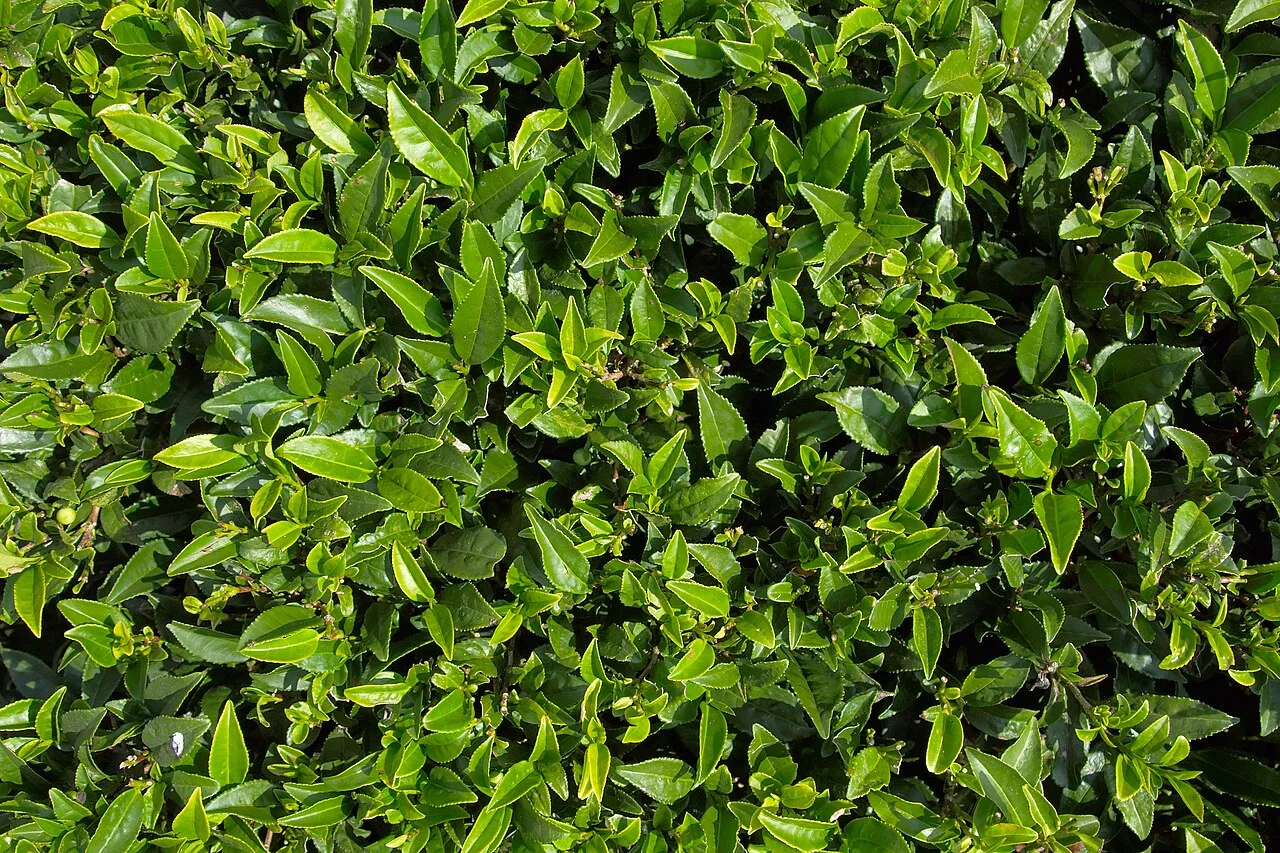
Predominantly Chinese small-leaf (var. sinensis) and clonal hybrid shoots cultivated on steep terraced slopes, contrasting sharply with Assam's large-leaf lowland stock.
Processing Craft
Orthodox whole-leaf craft: deep trough withering (especially heavy in spring flushes), gentle orthodox rolling, brief oxidation (leaving olive-green speckles in First Flush lots), and hot-air drying.
Dry Leaf Appearance
First Flush mixes sage-green and dark-brown leaves with silver tips; Second Flush turns rich mahogany-violet flecked with gold.
Brewed Liquor Color
Bright champagne-gold in First Flush; radiant copper-amber in Second Flush.
Aroma & Palate Profile
First Flush sings of wild blossom and lemon zest; Second Flush delivers Darjeeling's celebrated 'muscatel'—ripe muscat grape, peach, and toasted almond. — Light-bodied, vibrant, and wine-like with crisp floral lift—best enjoyed plain without milk.
Practical Buyer & Drinker Guide
Price Benchmarks, Authenticity Tips & Storage
Reference Price Range
Standard estate flushes ~$18–$40/100g; prized single-lot Castleton/Margaret's Hope ~$45–$90/100g
Authenticity & Buying Tips
Demand outstrips Darjeeling's real harvest—look for named estates, harvest flush (1st/2nd), and the official Tea Board of India certification mark.
Home Storage Advice
Refrigerate steamed greens & matcha airtight; store black, oolong, and aged dark teas sealed at dry room temperature.
Related Teas in This Category
Young lots exude wildflower honey, orchard fruit, and crisp forest sap; aged cakes unfold dried plum, camphor, medicinal herb, and cedar.
Cooked red jujube, sweet sticky rice, dark caramel, and warm timber once initial piling notes air out.
Fresh, cool, living jasmine blossom fused seamlessly with sweet green tea—never perfumey or synthetic.
Verified References & Provenance
- [01] 2021Source
Royal Botanic Gardens, Kew: The History of Tea from China to India
Royal Botanic Gardens, Kew
Traces botanical classification of Camellia sinensis var. assamica, Wardian-case plant transport, and Kew's role in colonial botanical networks.
- [02] 2020Source
Tea War: A History of Capitalism in China and India
Andrew B. Liu · 10.12987/yale/9780300243734.001.0001
Yale University Press comparative history of Huizhou, Wuyi, and Assam, showing how both colonial penal indenture and Chinese piece-rate time discipline constituted dynamic Asian capitalist accumulation.
- [03] 2009Source
The True History of Tea
Victor H. Mair & Erling Hoh
Philological and historical synthesis tracing tea from southwest China/Southeast Asia across overland 'cha' and maritime 'te' linguistic and trade corridors.