Ripe Pu-erh (Shu Pu-erh)
普洱熟茶
Menghai (Xishuangbanna), Kunming & Lincang, Yunnan
100°C
1:18–1:20 (approx. 7–8 g per 150 ml)
10–15 s after brief rinse, extending gradually
Yixing clay pot or thick porcelain gaiwan (12+)
History & Provenance
To meet surging Hong Kong and Southeast Asian demand for aged-style tea in the early 1970s, Yunnan technicians studied Guangdong and Guangxi piling techniques and perfected controlled Shu Pu-erh wet-piling between 1973 and 1975—birthing benchmark blends such as 7572 and 7581.
Cultivar & Raw Leaf
Yunnan large-leaf sun-dried maocha, typically blended across leaf grades prior to piling.
Processing Craft
Heaped maocha is moistened, covered, and turned repeatedly over 45–60 days as beneficial fungi and yeasts enzymatically transform astringent catechins into mellow, dark compounds, followed by airing, grading, and cake compression.
Dry Leaf Appearance
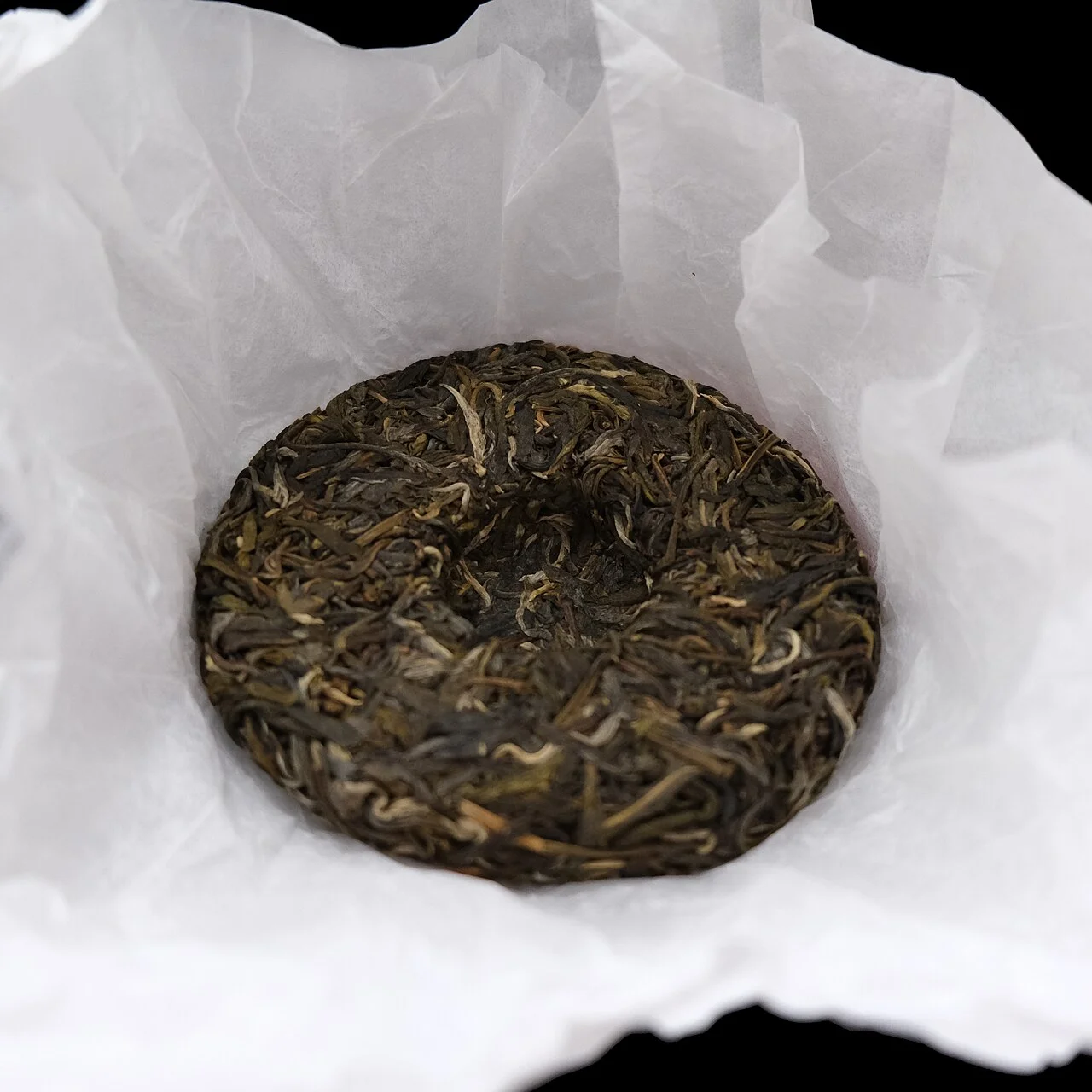
Dark russet-to-espresso brown cakes or loose leaves, often speckled with burnished golden buds in higher-grade lots.
Brewed Liquor Color
Deep mahogany-crimson, opaque in thick pours yet jewel-clear at the cup edge.
Aroma & Palate Profile
Cooked red jujube, sweet sticky rice, dark caramel, and warm timber once initial piling notes air out. — Exceptionally velvety, dense, and soothing with virtually zero bitterness or sharpness.
Practical Buyer & Drinker Guide
Price Benchmarks, Authenticity Tips & Storage
Reference Price Range
Classic factory Shu cakes (357g) ~$20–$65; boutique small-batch ripe cakes ~$80–$220
Authenticity & Buying Tips
Newly piled Shu often carries mild damp-piling aroma; choose cakes aged 2+ years with crystal-clear ruby liquor and zero sourness.
Home Storage Advice
Refrigerate steamed greens & matcha airtight; store black, oolong, and aged dark teas sealed at dry room temperature.
Related Teas in This Category
Young lots exude wildflower honey, orchard fruit, and crisp forest sap; aged cakes unfold dried plum, camphor, medicinal herb, and cedar.
Fresh, cool, living jasmine blossom fused seamlessly with sweet green tea—never perfumey or synthetic.
Intense sweet nori seaweed, steamed edamame, fresh cream, and bright spring verdure.
Verified References & Provenance
- [01] 1979Source
Chen Chuan's Six-Category Tea Classification (1979) & Camellia sinensis Phylogeography
Chen Chuan (1979) / Chen Zongmao (ed., China Tea Classic)
Chen Chuan (1979) established the modern scientific taxonomy of six tea families based on processing mechanisms (enzyme inactivation, withering, yellowing, semi-oxidation, full oxidation, microbial piling) rather than linear fermentation; Chen Zongmao's China Tea Classic synthesizes modern agronomy and tea chemistry.
- [02] 2022Source
Traditional tea processing techniques and associated social practices in China
UNESCO Intangible Cultural Heritage · Nomination File No. 01884
Inscribed in 2022; documents the six core Chinese tea categories, reprocessed teas, and their embedded social rituals across 44 national heritage items.