Uji Matcha
宇治抹茶
Uji & Yamashiro Basin, Kyoto Prefecture, Japan
75–80°C
Usucha: ~2 g / 60–70 ml; Koicha: ~4 g / 40 ml
Whisk briskly in W/M strokes for 15–20 s with a bamboo chasen
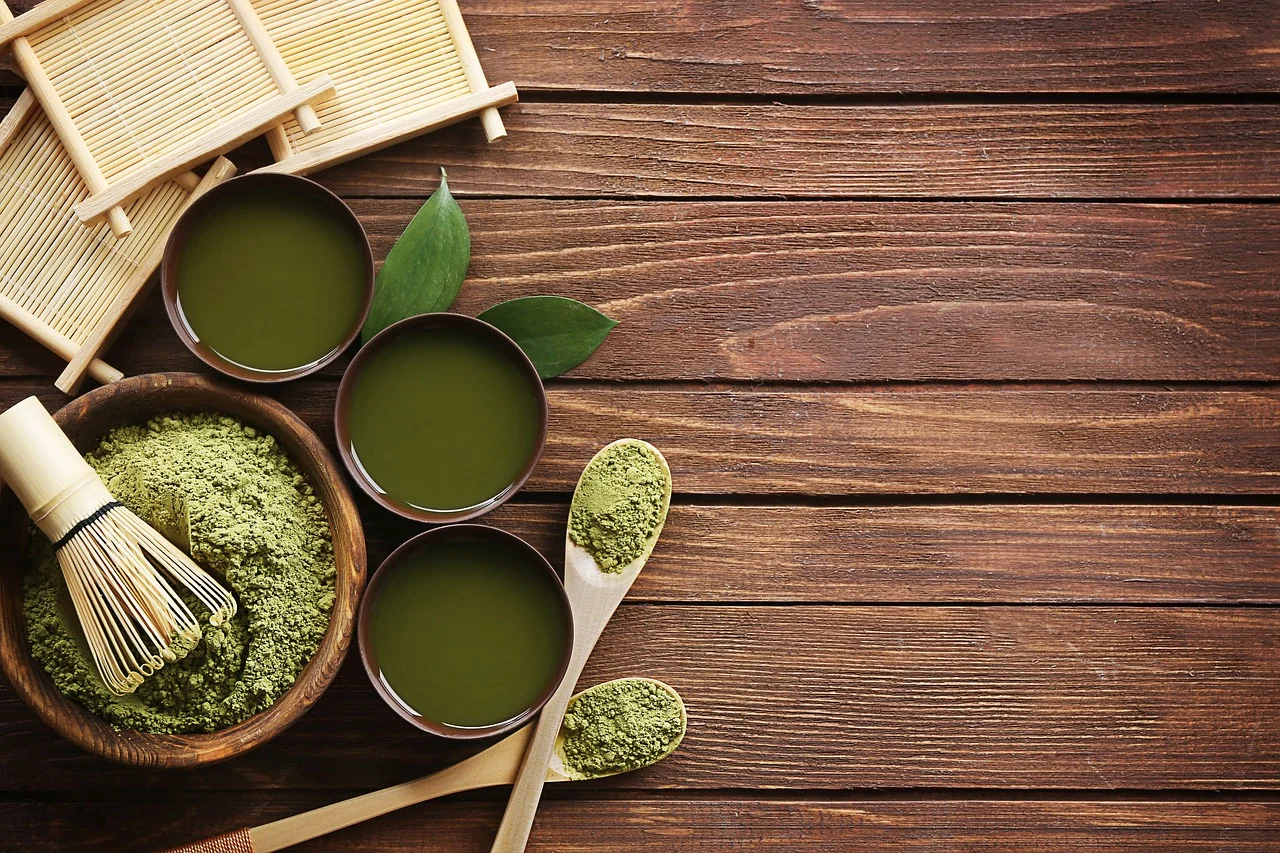
Wide chawan tea bowl & bamboo chasen whisk (1 (whole-leaf suspension))
History & Provenance
Following Eisai's twelfth-century introduction of Song powdered-tea practice and tea seeds, Uji's misty hills evolved covered shade cultivation (oishita) under Muromachi patronage and Sen no Rikyū's Chado aesthetic, pairing unrolled steamed tencha with granite stone mills to anchor Japanese tea ceremony.
Cultivar & Raw Leaf
Spring shoots shaded under reed screens or dark netting for 20–30 days (blocking 80%–95% of sunlight) to retain L-theanine and surge chlorophyll, then deveined and destemmed into tencha.
Processing Craft
Flash-steamed to lock emerald chlorophyll, dried flat without rolling, sorted free of stems and ribs into tencha flakes, and slowly ground on granite stone mills into 5–10 micron powder without heat damage.
Dry Leaf Appearance
Silky, talc-fine micro-powder in vibrant, electric emerald green.
Brewed Liquor Color
Luminous opaque jade suspension topped with a dense, micro-bubbled emerald crema.
Aroma & Palate Profile
Intense sweet nori seaweed, steamed edamame, fresh cream, and bright spring verdure. — Rich, creamy umami and lingering natural sweetness with balanced verdant clarity.
Practical Buyer & Drinker Guide
Price Benchmarks, Authenticity Tips & Storage
Reference Price Range
Culinary grade ~$12–$30/100g; stone-milled ceremonial grade ~$35–$120+ per 40g tin
Authenticity & Buying Tips
Dull olive-yellow powder is usually unshaded green-tea powder rather than stone-milled tencha; ceremonial matcha is electric emerald with creamy umami.
Home Storage Advice
Matcha degrades fast once opened—seal tightly inside the fridge and finish within 1–2 months.
Related Teas in This Category
Young lots exude wildflower honey, orchard fruit, and crisp forest sap; aged cakes unfold dried plum, camphor, medicinal herb, and cedar.
Cooked red jujube, sweet sticky rice, dark caramel, and warm timber once initial piling notes air out.
Fresh, cool, living jasmine blossom fused seamlessly with sweet green tea—never perfumey or synthetic.
Verified References & Provenance
- [01] 2024Source
Urasenke Official Introduction to Chado (The Way of Tea)
Urasenke Foundation
Authoritative overview of Chado lineage from Sen no Rikyū, the four principles Wa-Kei-Sei-Jaku, and modern tea gathering choreography.
- [02] 2026Source
Japan Ministry of Agriculture, Forestry and Fisheries (MAFF) 2025 Green Tea Export Statistics
Ministry of Agriculture, Forestry and Fisheries of Japan (MAFF)
Documents record 2025 Japanese green tea exports of JPY 72.1 billion (+98.2% YoY) and 12,612 tonnes, with powdered green tea (led by matcha) representing ~84% of export value.
- [03] 1979Source
Chen Chuan's Six-Category Tea Classification (1979) & Camellia sinensis Phylogeography
Chen Chuan (1979) / Chen Zongmao (ed., China Tea Classic)
Chen Chuan (1979) established the modern scientific taxonomy of six tea families based on processing mechanisms (enzyme inactivation, withering, yellowing, semi-oxidation, full oxidation, microbial piling) rather than linear fermentation; Chen Zongmao's China Tea Classic synthesizes modern agronomy and tea chemistry.