Assam Black Tea
阿萨姆红茶
Brahmaputra River Valley, Assam, Northeastern India
95–100°C
1:45–1:50 (3 g per 150 ml; higher for milk chai)
Orthodox: 2.5–3 min; CTC: ~2 min or simmered with milk
Pre-warmed ceramic teapot or saucepan (2–3)
History & Provenance
Identified to British colonists in 1823 with Singpho guides along the upper Brahmaputra, indigenous large-leaf var. assamica became the foundation of East India Company plantations in the late 1830s—propelling India past China in late-nineteenth-century global black tea exports under harsh indentured labor regimes.
Cultivar & Raw Leaf
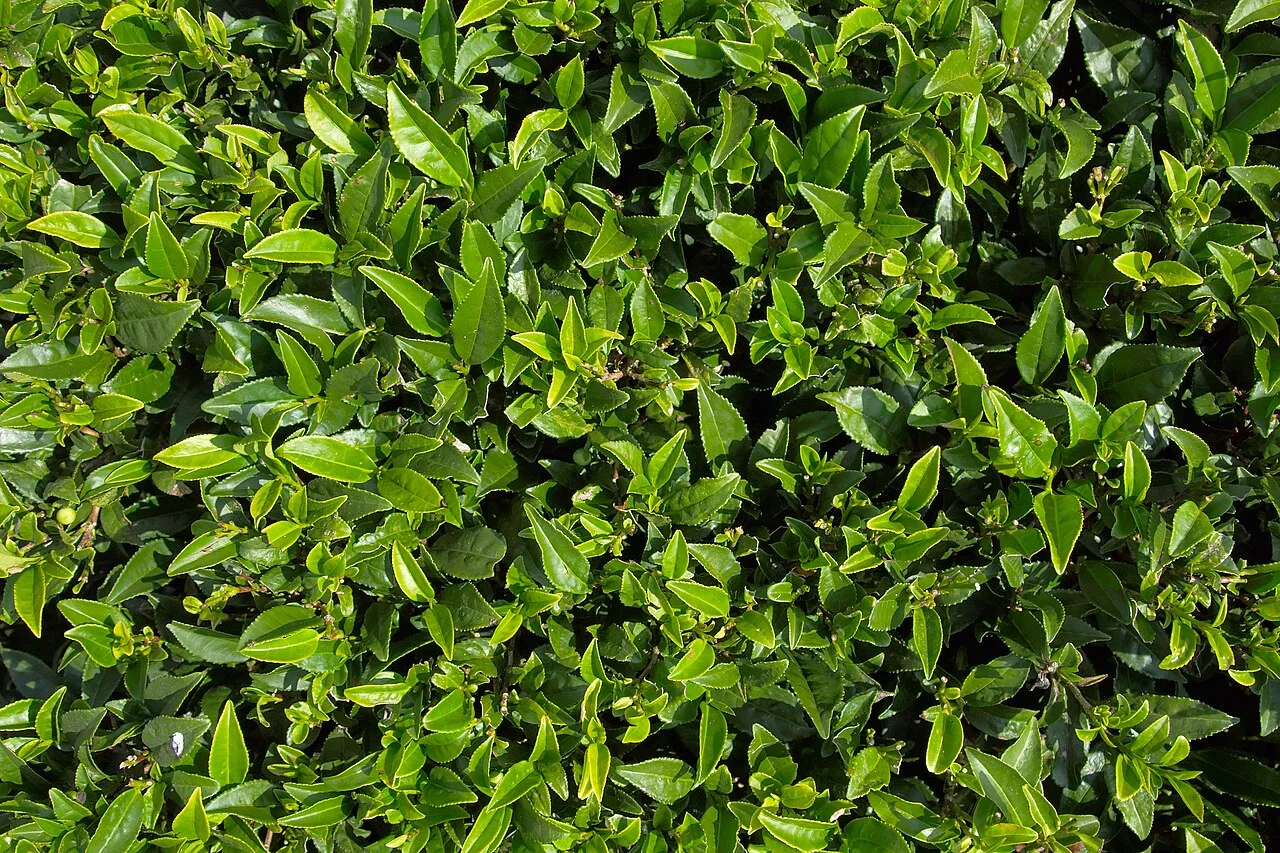
Broad, polyphenol-dense shoots of Camellia sinensis var. assamica harvested in warm monsoon lowlands, peaking in richness during the May–June Second Flush.
Processing Craft
Split across two distinct industrial tracks: whole-leaf Orthodox production preserving golden tips and brisk complexity, and mechanized Crush-Tear-Curl (CTC) processing yielding dense dark pellets engineered for rapid, high-strength extraction.
Dry Leaf Appearance
Orthodox lots show bold, dark-brown leaves laced with bright golden tips; CTC lots form uniform, dense reddish-black granules.
Brewed Liquor Color
Deep, robust crimson-mahogany with high optical density.
Aroma & Palate Profile
Assertive toasted malt, dark molasses, cocoa, and warm wood. — Assertive, full-bodied, and richly malty—orthodox second-flush lots shine straight, while the sheer phenolic strength of Assam anchors English Breakfast blends and spiced masala chai.
Practical Buyer & Drinker Guide
Price Benchmarks, Authenticity Tips & Storage
Reference Price Range
Daily CTC blends ~$8–$18/250g; Second Flush golden-tip Orthodox (FTGFOP1) ~$20–$45/250g
Authenticity & Buying Tips
Choose whole-leaf FTGFOP1 for straight malty sipping, or dense CTC granules when simmering spiced chai or milk tea.
Home Storage Advice
Refrigerate steamed greens & matcha airtight; store black, oolong, and aged dark teas sealed at dry room temperature.
Related Teas in This Category
Young lots exude wildflower honey, orchard fruit, and crisp forest sap; aged cakes unfold dried plum, camphor, medicinal herb, and cedar.
Cooked red jujube, sweet sticky rice, dark caramel, and warm timber once initial piling notes air out.
Fresh, cool, living jasmine blossom fused seamlessly with sweet green tea—never perfumey or synthetic.
Verified References & Provenance
- [01] 2021Source
Royal Botanic Gardens, Kew: The History of Tea from China to India
Royal Botanic Gardens, Kew
Traces botanical classification of Camellia sinensis var. assamica, Wardian-case plant transport, and Kew's role in colonial botanical networks.
- [02] 2020Source
Tea War: A History of Capitalism in China and India
Andrew B. Liu · 10.12987/yale/9780300243734.001.0001
Yale University Press comparative history of Huizhou, Wuyi, and Assam, showing how both colonial penal indenture and Chinese piece-rate time discipline constituted dynamic Asian capitalist accumulation.
- [03] 2009Source
The True History of Tea
Victor H. Mair & Erling Hoh
Philological and historical synthesis tracing tea from southwest China/Southeast Asia across overland 'cha' and maritime 'te' linguistic and trade corridors.