Kenyan Highland Black Tea (CTC & Orthodox)
肯尼亚高地红茶(CTC / 紫茶产区)
Rift Valley Highlands (Kericho, Nandi, Nyeri; 1,500–2,400 m), Kenya
98–100°C
1:60 (CTC extracts intensely: ~2.5 g / 150 ml)
1.5–2.5 min for CTC; ideal with milk or spiced chai
Fine-mesh mug, teapot, or milk-tea saucepan (1–2)
History & Provenance
First planted by British settlers in 1903 and scaled in Kericho during the 1920s, Kenyan tea transitioned after 1963 independence into a massive smallholder-cooperative engine (KTDA)—making Kenya the world's leading black tea exporter and pioneer of anthocyanin-rich Purple Tea.
Cultivar & Raw Leaf
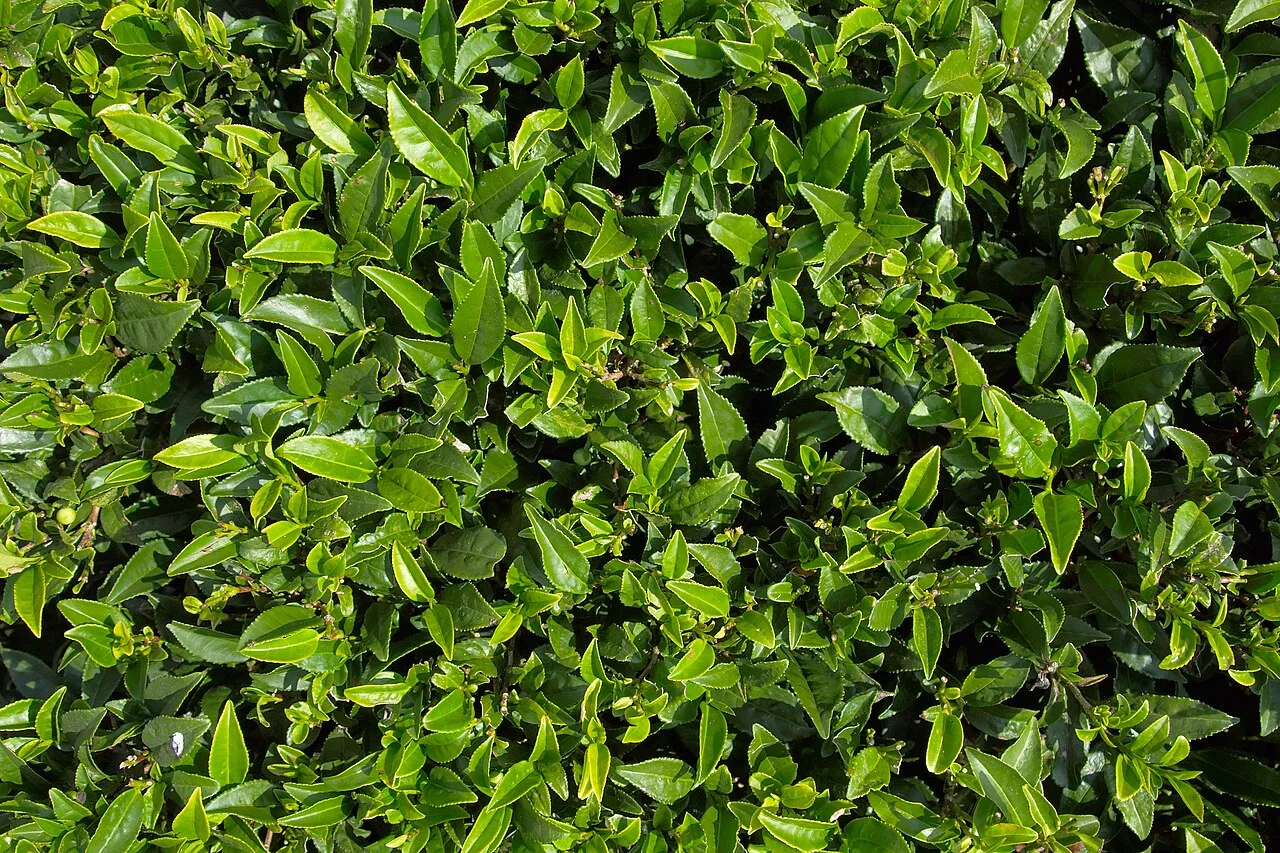
Year-round two-leaves-and-a-bud shoots of Assamica hybrids thriving in mineral-rich equatorial volcanic highland soils.
Processing Craft
After trough withering, most harvests pass through Crush-Tear-Curl (CTC) rollers for complete cell disruption, rapid oxidation, and fluidized-bed drying—maximizing bright theaflavins and fast extraction—alongside emerging whole-leaf Orthodox lots.
Dry Leaf Appearance
Uniform reddish-black granular pellets (BP1/PF1 grades) in CTC lots, or wiry dark leaves in Orthodox lots.
Brewed Liquor Color
Strikingly bright, vibrant crimson-copper that turns rich golden-caramel with milk.
Aroma & Palate Profile
Bright citrus peel, brisk sweet malt, and clean warm wood. — High theaflavin clarity gives brisk brightness rather than flat bitterness—anchoring British everyday teabags and Hong Kong-style milk tea blends.
Practical Buyer & Drinker Guide
Price Benchmarks, Authenticity Tips & Storage
Reference Price Range
Highly economical daily staple: ~$6–$15/250g CTC; specialty single-estate Orthodox/Purple ~$20–$45
Authenticity & Buying Tips
Choose larger BP1 granules over fine fannings for cleaner pot brewing, or seek 'Kenyan Orthodox' / 'Purple Tea' for straight drinking.
Home Storage Advice
Small pellets absorb moisture and odors quickly—keep sealed tightly and finish within 6 months.
Related Teas in This Category
Young lots exude wildflower honey, orchard fruit, and crisp forest sap; aged cakes unfold dried plum, camphor, medicinal herb, and cedar.
Cooked red jujube, sweet sticky rice, dark caramel, and warm timber once initial piling notes air out.
Fresh, cool, living jasmine blossom fused seamlessly with sweet green tea—never perfumey or synthetic.
Verified References & Provenance
- [01] 2025Source
International Tea Committee (ITC) & National Tea Boards (Kenya, India, Sri Lanka) 2024–2025 Export Data
ITC / Tea Board of Kenya / Sri Lanka Tea Board / Tea Board India
Aggregates 2024–2025 national export benchmarks: Kenya ~652.8k t (~$2.20–$2.27/kg bulk CTC); Sri Lanka ~258k t (~$5.50–$5.83/kg orthodox/value-added); India ~257.9k t (~$3.40/kg).
- [02] 2025Source
FAO Beverages: Tea Markets & Trade Overview & International Tea Day Address
Food and Agriculture Organization of the United Nations (FAO)
Notes in 2025 International Tea Day materials that over 60% of global tea is produced by smallholders; FAO IGG on Tea tracks processed made-tea output and uneven farm-gate price transmission.
- [03] 2003Source
Tea: Addiction, Exploitation, and Empire
Roy Moxham
Historical synthesis by a former tea planter tracing Britain's tea dependency, opium triangulation, and harsh plantation labor conditions across Assam, Ceylon, and Africa.