Oriental Beauty (Dongfang Meiren / Baihao Oolong)
东方美人
Hsinchu (Beipu, Emei) & Miaoli Foothills, Taiwan
85–90°C
1:25 (approx. 5–6 g per 150 ml)
35–45 s; avoid boiling water to protect delicate honey aromatics
White porcelain gaiwan or glass pot (6–8)
History & Provenance
Known historically in Taiwan as 'Pengfeng Cha' (Boaster's Tea) or Baihao Oolong, this heavily oxidized oolong earned wide export acclaim under the evocative name Oriental Beauty. Requiring zero pesticide use, its honeyed aroma depends on symbiosis with tiny green leafhoppers.
Cultivar & Raw Leaf
Summer buds and young leaves of Qingxin Damo bitten in the garden by tea jassids (Jacobiasca formosana), whose feeding triggers defensive synthesis of volatile linalool-oxide and geraniol honey compounds.
Processing Craft
Extended withering and gentle bruising push enzymatic oxidation to 60%–75%—among the highest of any oolong—before fixation, light strip-rolling, and gentle drying that keep silvery buds intact.
Dry Leaf Appearance
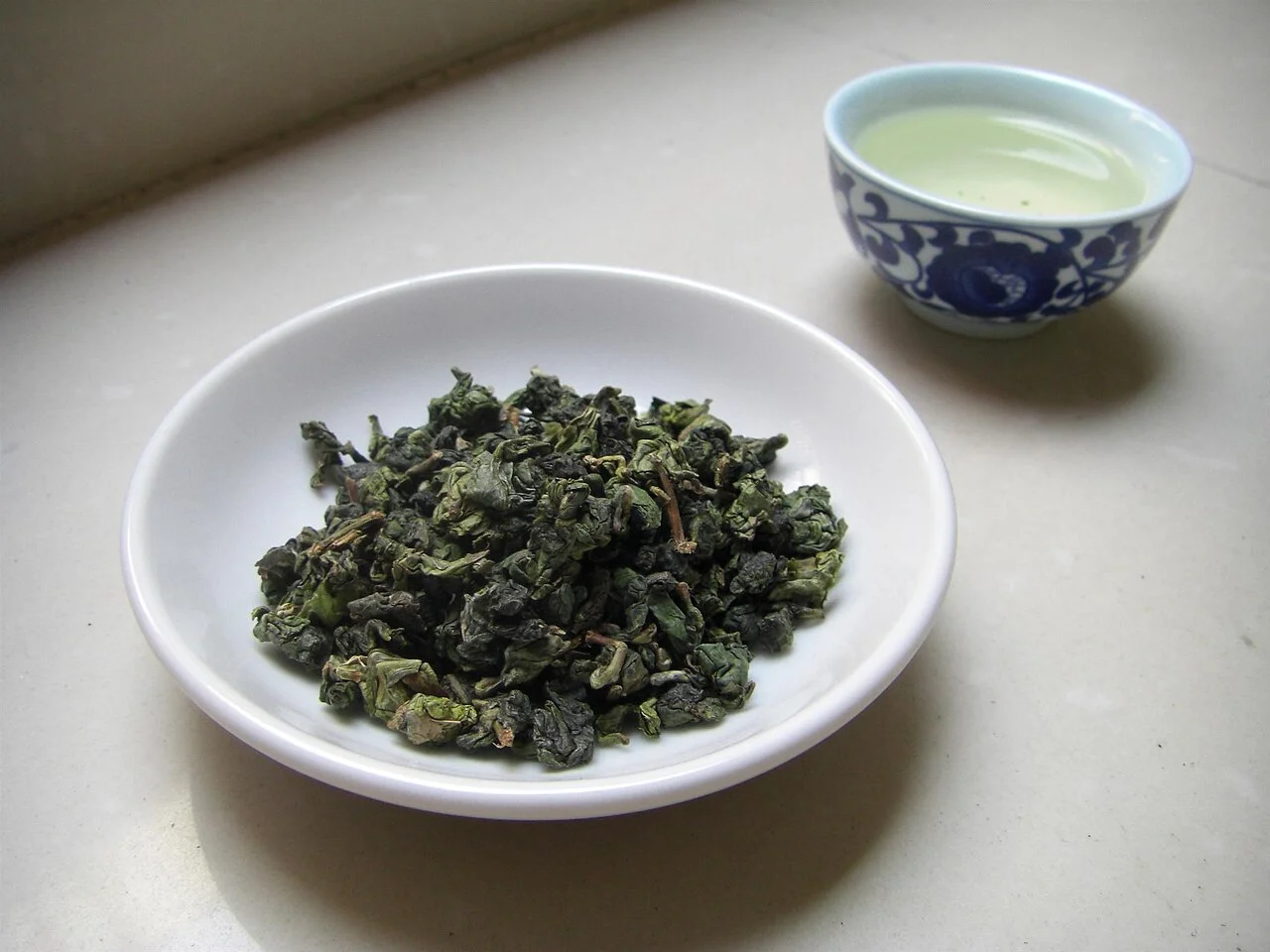
Loosely curled leaves displaying a vivid mosaic of crimson, amber, olive, brown, and silvery-white downy tips.
Brewed Liquor Color
Radiant copper-amber to jewel-like orange-red.
Aroma & Palate Profile
Rich wildflower honey, ripe peach, muscat grape, and soft sweet spice. — Silky, nectar-like, and completely smooth, wrapping ripe orchard fruit sweetness in an airy finish.
Practical Buyer & Drinker Guide
Price Benchmarks, Authenticity Tips & Storage
Reference Price Range
Everyday oolongs ~$22–$65/500g; core alpine or Wuyi charcoal-roasted lots ~$90–$450+/500g
Authenticity & Buying Tips
Distinguish fresh green-style oolongs (drink within months) from roasted oolongs (which deepen with rest); great aroma lives inside the broth, not just on dry leaf.
Home Storage Advice
Refrigerate vacuum-packed light oolongs; store medium-to-heavy roasted oolongs airtight at room temperature.
Related Teas in This Category
Unmistakable high-note orchid perfume ('Guanyin rhyme'), deepening to caramelized stone fruit and toasted grain when roasted.
Layered charcoal-toast cacao, dried stone fruit, and spiced orchid over wet-stone minerality.
Explosively aromatic: intoxicating gardenia, ripe white peach, honeysuckle, or baked sweet-potato honey depending on the clone.
Verified References & Provenance
- [01] 1979Source
Chen Chuan's Six-Category Tea Classification (1979) & Camellia sinensis Phylogeography
Chen Chuan (1979) / Chen Zongmao (ed., China Tea Classic)
Chen Chuan (1979) established the modern scientific taxonomy of six tea families based on processing mechanisms (enzyme inactivation, withering, yellowing, semi-oxidation, full oxidation, microbial piling) rather than linear fermentation; Chen Zongmao's China Tea Classic synthesizes modern agronomy and tea chemistry.
- [02] 2022Source
Traditional tea processing techniques and associated social practices in China
UNESCO Intangible Cultural Heritage · Nomination File No. 01884
Inscribed in 2022; documents the six core Chinese tea categories, reprocessed teas, and their embedded social rituals across 44 national heritage items.