Sun Moon Lake Ruby Black (TTES #18)
日月潭红玉(台茶 18 号)
Yuchi Township (Sun Moon Lake Basin), Nantou, Taiwan
90–95°C
1:40 (approx. 4 g per 160 ml)
20–30 s gongfu; 2–2.5 min teapot
White porcelain gaiwan or glass teapot (5–6)
History & Provenance
Released in 1999 by Taiwan's Tea Research and Extension Station in Yuchi after decades of breeding Burmese var. assamica with native Taiwanese wild tea (Camellia formosensis), 'Ruby 18' revived Sun Moon Lake's heritage with an iconic mint-and-cinnamon signature.
Cultivar & Raw Leaf
Hand-plucked shoots of the Ruby 18 hybrid cultivar, naturally rich in methyl salicylate and sweet spice volatiles.
Processing Craft
Controlled indoor withering, orthodox rolling to preserve bold whole leaves, warm humid oxidation, and gentle hot-air drying.
Dry Leaf Appearance
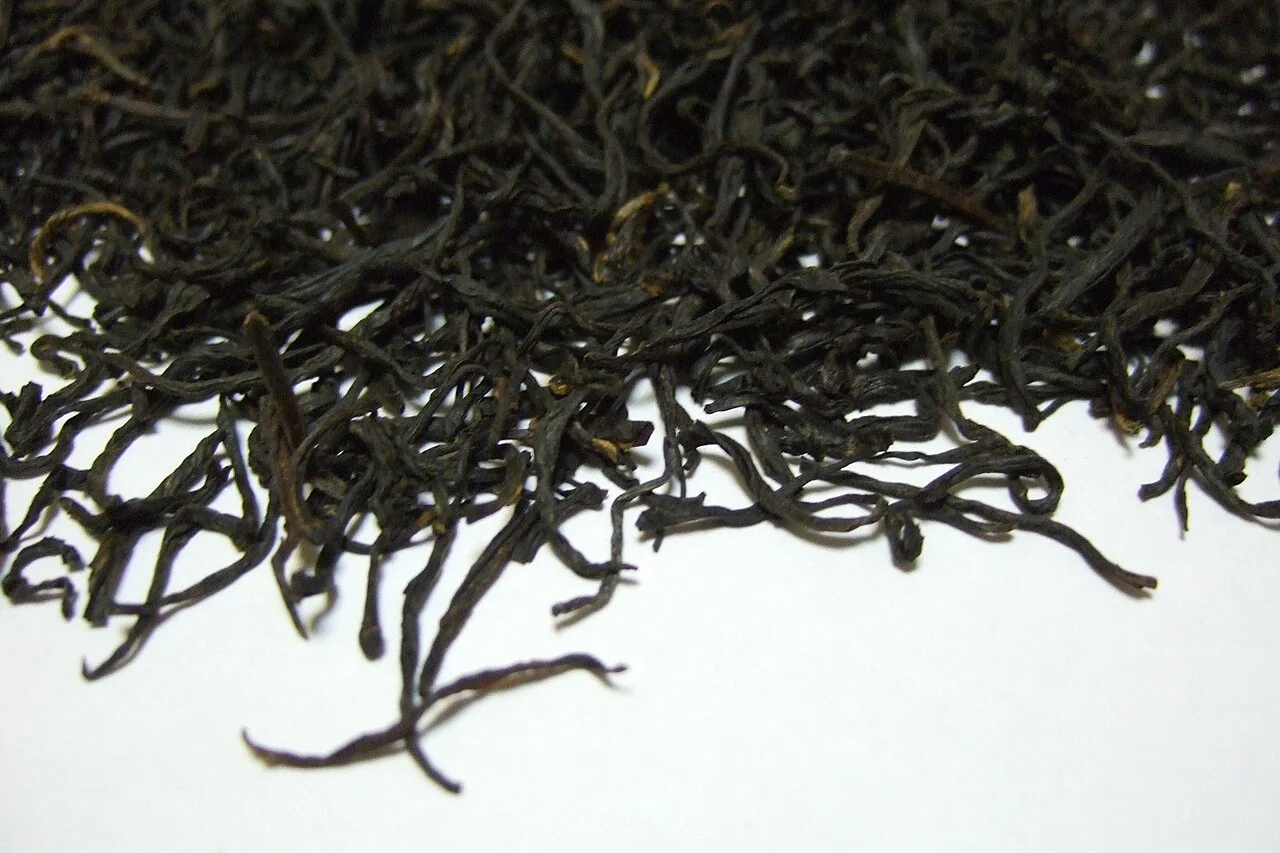
Bold, glossy obsidian-mahogany strips flecked with amber tips.
Brewed Liquor Color
Vivid ruby-red with jewel-like brilliance.
Aroma & Palate Profile
Unmistakable natural wintergreen-mint coolness layered over sweet cinnamon spice and honeyed orchard fruit. — Vibrant, crisp, and cooling on the finish—shines served straight hot or as crystalline iced black tea.
Practical Buyer & Drinker Guide
Price Benchmarks, Authenticity Tips & Storage
Reference Price Range
Standard lots ~$35–$65/500g; hand-picked Yuchi single-garden lots ~$90–$180/500g
Authenticity & Buying Tips
Distinguish TTES #18 (Ruby: mint-cinnamon) from TTES #8 (malty Assam) and TTES #21 (citrus floral); authentic Ruby always leaves a clean cooling note.
Home Storage Advice
Store airtight in cool darkness; mint-spice aromatics peak within 1–2 years.
Related Teas in This Category
Traditional smoked: clean resinous pine smoke and dried longan; unsmoked: sweet wildflower, roasted yam, and fresh longan nectar.
The celebrated 'Keemun aroma': delicate dried rose petals, baked apple, warm honey, and subtle cedarwood.
Lush roasted sweet potato, warm maltose, cacao, and dried tropical fruit.
Verified References & Provenance
- [01] 1979Source
Chen Chuan's Six-Category Tea Classification (1979) & Camellia sinensis Phylogeography
Chen Chuan (1979) / Chen Zongmao (ed., China Tea Classic)
Chen Chuan (1979) established the modern scientific taxonomy of six tea families based on processing mechanisms (enzyme inactivation, withering, yellowing, semi-oxidation, full oxidation, microbial piling) rather than linear fermentation; Chen Zongmao's China Tea Classic synthesizes modern agronomy and tea chemistry.
- [02] 2022Source
Traditional tea processing techniques and associated social practices in China
UNESCO Intangible Cultural Heritage · Nomination File No. 01884
Inscribed in 2022; documents the six core Chinese tea categories, reprocessed teas, and their embedded social rituals across 44 national heritage items.