Japanese Gyokuro (Jade Dew)
日本玉露
Uji (Kyoto), Yame (Fukuoka) & Okabe (Shizuoka), Japan
50–60°C (cool slow steep)
1:10–1:12 (approx. 5 g per 50–60 ml)
90–120 s first steep at 55°C; 30 s at 65°C second steep
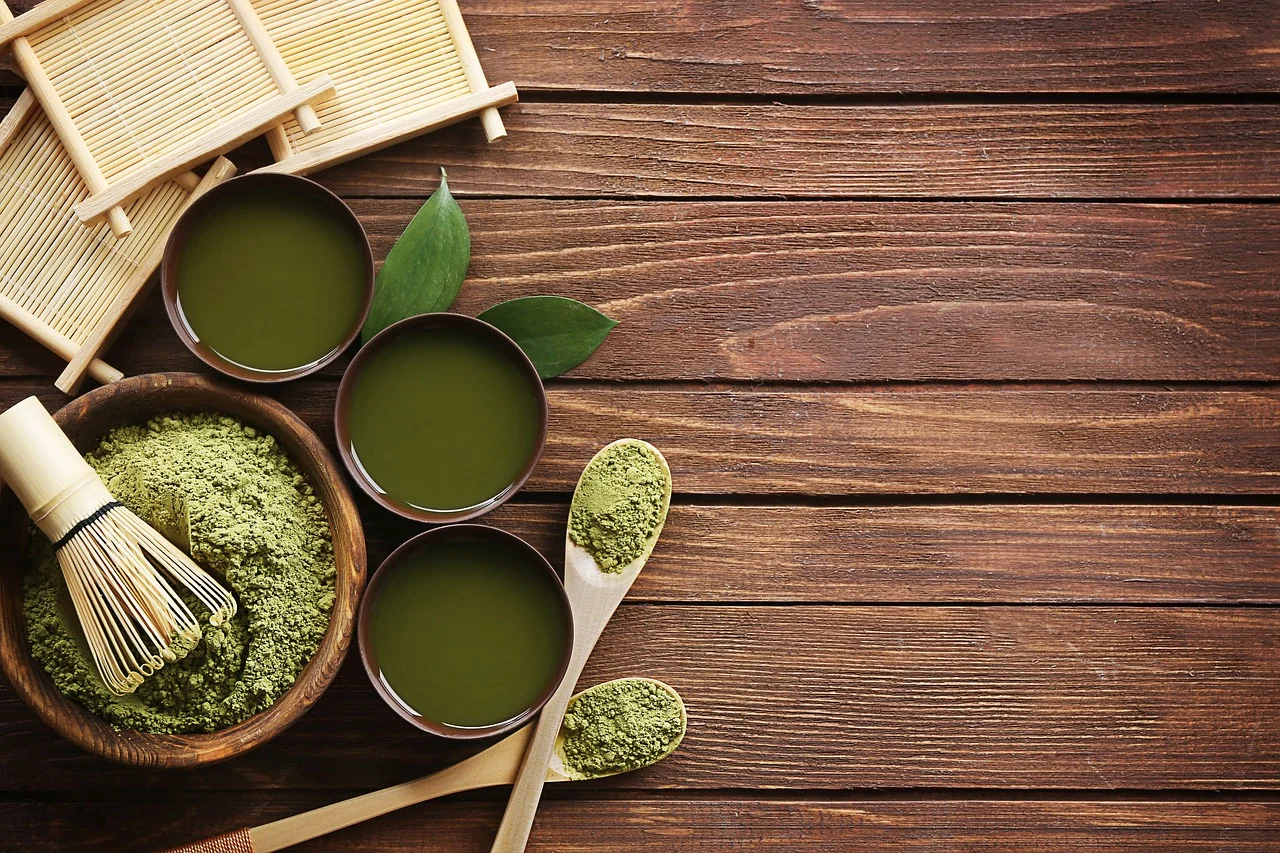
Handleless Hōhin or miniature Kyusu with small tasting cups (3–4)
History & Provenance
In 1835, Tokyo merchant Yamamoto Kahei VI experimented in Uji by rolling shade-grown leaves destined for tencha using sencha steaming techniques—yielding tiny glossy emerald needles whose sweet, broth-like liquor earned the name 'Jade Dew.'
Cultivar & Raw Leaf
First-flush leaves of amino-acid-rich cultivars (Asahi, Gokō, Saemidori) shaded for at least 20 days beneath reed/straw canopies blocking 85%–95% of sunlight.
Processing Craft
Flash-steamed gently, then meticulously rolled across progressive drying stages into ultra-fine, lustrous dark-jade needles.
Dry Leaf Appearance
Ultra-slender, tightly rolled glossy dark-emerald needles, uniform and stem-free.
Brewed Liquor Color
Pale luminous jade-gold with a rich, viscous sheen.
Aroma & Palate Profile
The prized shaded 'ooika' bouquet: savory kelp dashi broth, sweet nori seaweed, and subtle orchid. — Steeped cool and slow, it delivers an astonishing concentration of velvety dashi-like umami and lingering sweetness without bitterness.
Practical Buyer & Drinker Guide
Price Benchmarks, Authenticity Tips & Storage
Reference Price Range
Accessible everyday lots ~$14–$45/500g; single-origin or estate selections ~$60–$300+/500g
Authenticity & Buying Tips
Use the Taxonomic Note above to evaluate freshness and craft by its true green, black, or dark tea lineage rather than marketing labels.
Home Storage Advice
Refrigerate steamed greens & matcha airtight; store black, oolong, and aged dark teas sealed at dry room temperature.
Related Teas in This Category
Young lots exude wildflower honey, orchard fruit, and crisp forest sap; aged cakes unfold dried plum, camphor, medicinal herb, and cedar.
Cooked red jujube, sweet sticky rice, dark caramel, and warm timber once initial piling notes air out.
Fresh, cool, living jasmine blossom fused seamlessly with sweet green tea—never perfumey or synthetic.
Verified References & Provenance
- [01] 2026Source
Japan Ministry of Agriculture, Forestry and Fisheries (MAFF) 2025 Green Tea Export Statistics
Ministry of Agriculture, Forestry and Fisheries of Japan (MAFF)
Documents record 2025 Japanese green tea exports of JPY 72.1 billion (+98.2% YoY) and 12,612 tonnes, with powdered green tea (led by matcha) representing ~84% of export value.
- [02] 1979Source
Chen Chuan's Six-Category Tea Classification (1979) & Camellia sinensis Phylogeography
Chen Chuan (1979) / Chen Zongmao (ed., China Tea Classic)
Chen Chuan (1979) established the modern scientific taxonomy of six tea families based on processing mechanisms (enzyme inactivation, withering, yellowing, semi-oxidation, full oxidation, microbial piling) rather than linear fermentation; Chen Zongmao's China Tea Classic synthesizes modern agronomy and tea chemistry.